check

check

check

check

check

check
In industrial automation and machinery control, precision and reliability are paramount. Among the essential components ensuring operational safety and accuracy is the humble yet critical limit switch. Specifically, the 3-pin limit switch stands out as a fundamental device widely used across various sectors, from manufacturing assembly lines to robotic systems. This guide delves into the mechanics, applications, and advantages of the 3-pin limit switch, providing a clear understanding for engineers, technicians, and industry enthusiasts.
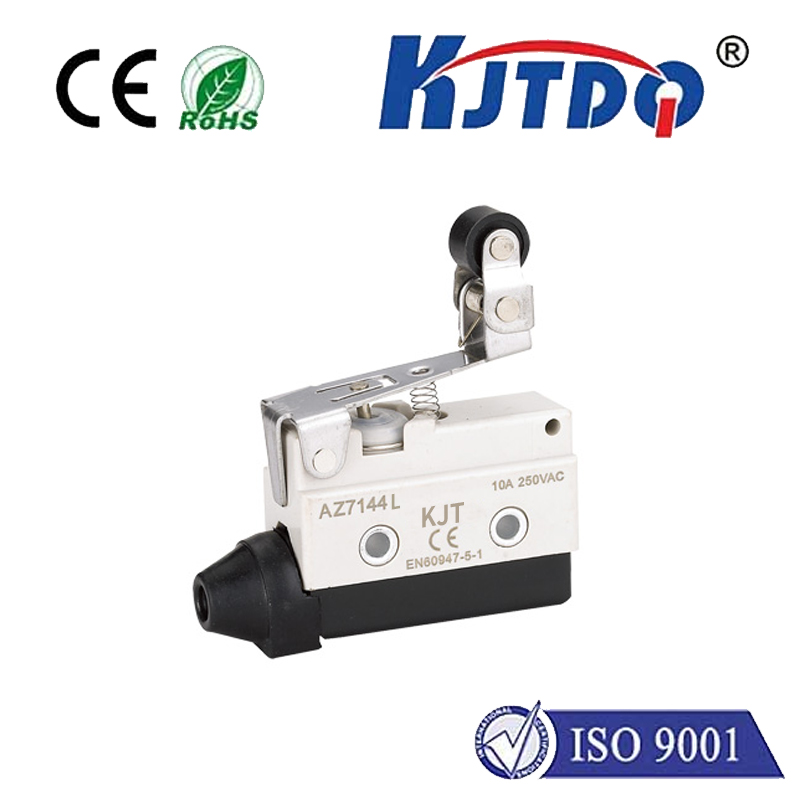
A 3-pin limit switch is an electromechanical device designed to detect the presence or absence of an object, or to monitor the position of a moving part within a machine. As the name suggests, it features three electrical terminals or pins: one common (COM), one normally open (NO), and one normally closed (NC). This configuration allows for versatile wiring and control options, enabling the switch to either complete or interrupt an electrical circuit based on physical actuation. When an external force, such as a cam, lever, or plunger, triggers the switch, the internal contacts change state—connecting COM to NO or disconnecting COM from NC—thereby sending a signal to a control system like a PLC (Programmable Logic Controller). This simple action can initiate or halt processes, prevent over-travel, or provide positional feedback, making it indispensable for automation.
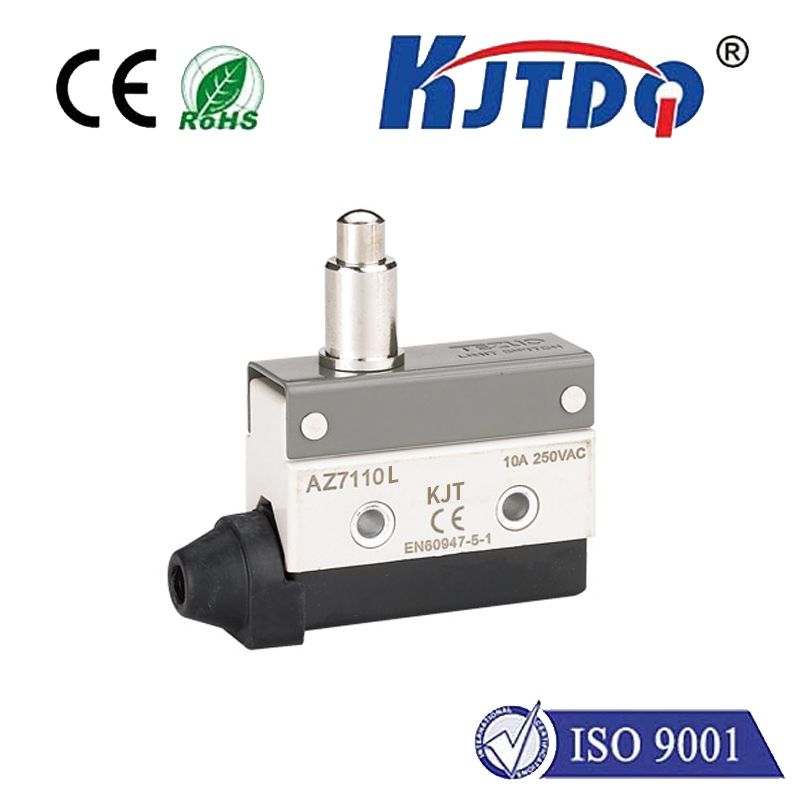
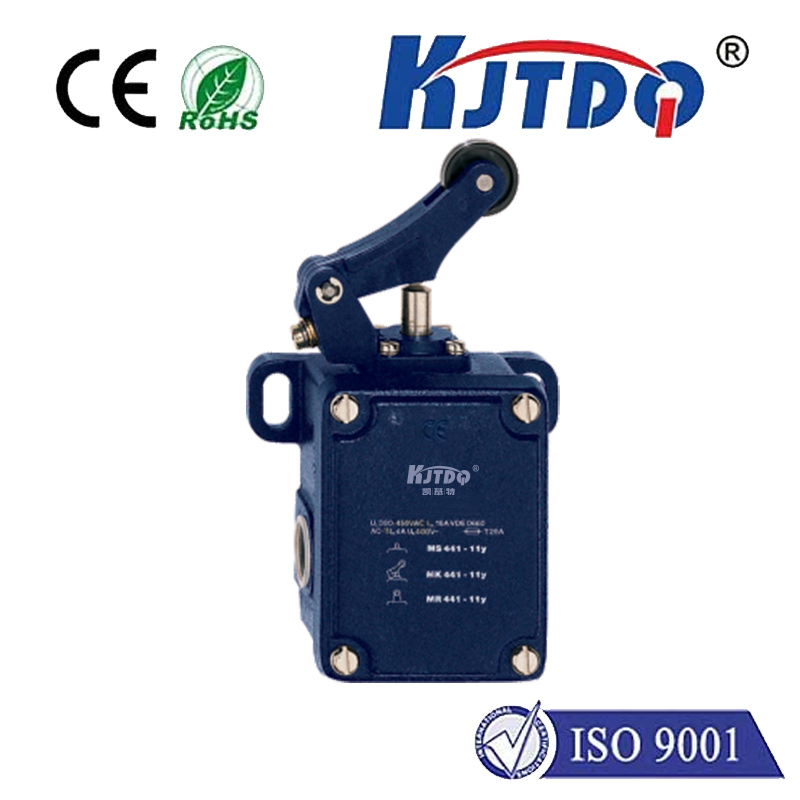
The design of a 3-pin limit switch emphasizes durability and adaptability. Typically housed in a robust metal or plastic casing, these switches are built to withstand harsh industrial environments, including exposure to dust, moisture, and mechanical shocks. Common actuator types include roller levers, plungers, and whisker styles, each suited for specific detection scenarios. For instance, roller lever switches are ideal for sensing the movement of conveyor belts, while plunger switches excel in applications requiring precise linear motion detection. The three-pin setup offers flexibility in circuit design; users can choose between NO and NC configurations based on safety requirements—for example, NC contacts are often used in fail-safe systems where a broken wire or loss of power triggers an immediate shutdown.
Applications of 3-pin limit switches span numerous industries. In automotive manufacturing, they ensure robotic arms stop at exact positions during welding or painting processes. In packaging machinery, they detect when products are correctly aligned for sealing or labeling. Elevators and escalators rely on these switches to confirm door closure or limit car movement, enhancing passenger safety. Additionally, in CNC machines, they provide homing signals to calibrate tool paths accurately. The versatility of the 3-pin design allows for easy integration into both simple and complex control systems, often serving as a cost-effective solution for position sensing without the need for sophisticated sensors.
When selecting a 3-pin limit switch, several factors should be considered to ensure optimal performance. Electrical ratings, such as voltage and current capacity, must match the application’s power requirements to avoid overheating or failure. Mechanical life expectancy, measured in operation cycles, indicates durability under frequent use—industrial-grade switches often exceed millions of cycles. Environmental conditions also play a role; for wet or corrosive settings, models with IP67 or higher ingress protection ratings are recommended. Proper installation is equally crucial: switches should be mounted securely to prevent misalignment, and actuators must be adjusted to engage reliably without excessive force, which could cause premature wear. Regular maintenance, including cleaning contacts and checking for loose wiring, can extend the switch’s lifespan and prevent downtime.
Advancements in technology have led to enhanced versions of traditional 3-pin limit switches, such as sealed models for extreme temperatures or compact designs for space-constrained applications. However, the core principle remains unchanged—providing a reliable, straightforward interface between mechanical motion and electrical control. For businesses, investing in high-quality 3-pin limit switches translates to improved safety, reduced machine errors, and increased productivity. By understanding their operation and implementation, professionals can leverage these devices to build more efficient and resilient automated systems.
In summary, the 3-pin limit switch is a cornerstone of industrial automation, offering a blend of simplicity, reliability, and versatility. Its three-terminal design facilitates easy integration into diverse circuits, while robust construction ensures longevity in demanding environments. Whether used for basic position detection or complex safety interlocks, this component continues to play a vital role in modern machinery, underscoring the importance of electromechanical solutions in an increasingly digital world. As industries evolve, the 3-pin limit switch remains a trusted tool for achieving precise control and operational excellence.