check

check

check

check

check

check
In industrial and manufacturing environments, workplace safety is not just a regulatory requirement; it is a fundamental cornerstone of operational integrity and employee well-being. Among the myriad of safety components that protect personnel and machinery, the safety switch plays a pivotal role. The Comepi Safety Switch stands out as a critical device designed to prevent accidents, enhance operational control, and ensure compliance with stringent international safety standards. This article delves into the importance, functionality, and benefits of integrating the Comepi Safety Switch into modern industrial systems.
A safety switch, at its core, is a device that automatically cuts off electrical power in a circuit when it detects a fault, such as an earth leakage or an overload. This immediate interruption is crucial for preventing electric shocks, fires, and equipment damage. The Comepi Safety Switch elevates this basic principle with advanced engineering tailored for demanding industrial applications. It is engineered to provide reliable disconnection of power in hazardous situations, thereby safeguarding operators from potential injuries caused by unexpected machine startups or electrical faults during maintenance or emergency stops.
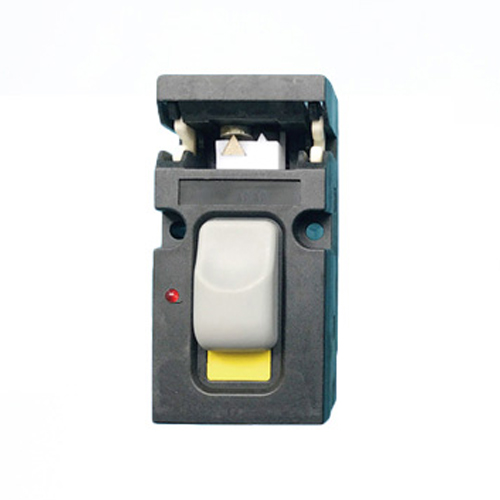
The design and construction of the Comepi Safety Switch focus on durability and precision. Housed in a robust enclosure, it is built to withstand harsh industrial conditions, including exposure to dust, moisture, vibrations, and extreme temperatures. This resilience ensures consistent performance and longevity, reducing downtime and maintenance costs. The switch typically features a clearly visible actuator, often with a bright color like yellow or red, and a distinct "on/off" or "lockout" position. This visual clarity is essential for quick identification and operation, even in busy or low-light environments.
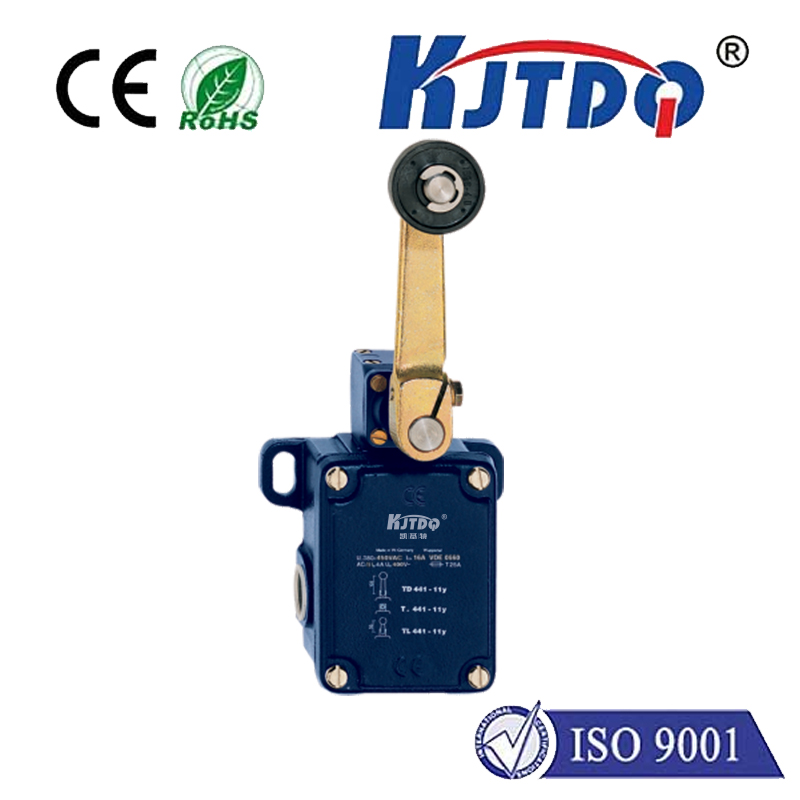
One of the key applications of the Comepi Safety Switch is in machine guarding and interlocking systems. It is commonly installed on access doors, gates, or panels of machinery. When a guard door is opened, the safety switch is actuated, instantly cutting power to dangerous moving parts. This prevents operators from accessing hazardous zones while the equipment is energized, effectively eliminating the risk of crush injuries, entanglement, or cuts. Furthermore, many Comepi switches incorporate a locking mechanism. This allows for a positive lockout during maintenance procedures, ensuring that the machine cannot be accidentally restarted while a technician is working on it—a practice central to Lockout/Tagout (LOTO) safety protocols.
Beyond basic interruption, modern Comepi Safety Switches often integrate with broader safety and automation control systems. They can provide diagnostic feedback to a Programmable Logic Controller (PLC) or a safety relay, indicating the status of the guard (open or closed). This integration allows for more sophisticated safety functions and can contribute to overall plant efficiency by enabling conditional machine operation sequences. Compliance with global standards such as ISO 13849-1 (Safety of machinery) and IEC 60947-5-1 (Low-voltage switchgear and controlgear) is a hallmark of the Comepi Safety Switch. This compliance is not merely about meeting legal obligations; it demonstrates a commitment to achieving high Safety Integrity Levels (SIL) or Performance Levels (PL), providing quantifiable assurance of risk reduction.
For facility managers and engineers, selecting the right safety switch involves considering factors like the required safety level, environmental conditions, actuator type (e.g., hinge-operated, solenoid-locked), and electrical specifications. The Comepi range offers versatility to meet these varied needs. Implementing these switches is a proactive investment. The direct benefit is the protection of human life and health, which is invaluable. Indirectly, it leads to fewer workplace accidents, lower insurance premiums, reduced liability, and avoidance of costly production halts due to safety incidents or regulatory fines. It also fosters a culture of safety, boosting employee morale and confidence.
In conclusion, in an era where industrial automation is advancing rapidly, the role of fundamental safety hardware like the Comepi Safety Switch remains irreplaceable. It acts as a vigilant sentinel, seamlessly blending robust physical protection with the potential for smart system integration. By ensuring that machinery only operates under safe conditions, it protects the most valuable asset in any operation: the people. For any business prioritizing operational excellence and corporate responsibility, incorporating reliable safety switches from trusted manufacturers like Comepi is a decisive step towards a safer, more productive, and sustainable future.