check

check

check

check

check

check
In the intricate world of industrial machinery, the air compressor stands as a cornerstone, powering countless tools and processes. Yet, its reliable operation hinges on a seemingly small but critical component: the air compressor limit switch. This device is the silent guardian, ensuring systems operate within safe parameters while optimizing performance and preventing costly damage.
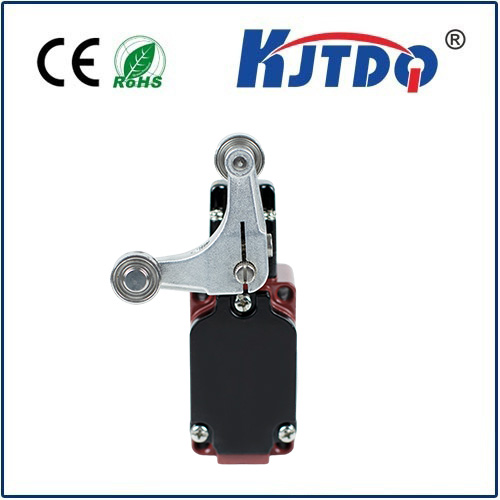
An air compressor limit switch is an electromechanical device designed to monitor a specific condition, typically pressure or temperature, and automatically halt the compressor's motor when a preset maximum limit is reached. Think of it as an intelligent circuit breaker specifically tuned to your compressor's vital signs. Its primary function is to prevent over-pressurization, which is a significant safety hazard. Without this switch, pressure could build to dangerous levels, risking tank rupture, hose explosions, or damage to connected pneumatic tools. Furthermore, by preventing the compressor from running incessantly, the limit switch protects the motor from overheating and excessive wear, directly extending the equipment's operational lifespan.
The operational principle is straightforward but effective. The switch is connected to the compressor's pressure line. Inside, a mechanical diaphragm or piston reacts to the rising air pressure. When the pressure attains the pre-calibrated "cut-out" point, the mechanism trips, breaking the electrical circuit to the motor, causing it to stop. As air is used in the system and pressure drops to a lower "cut-in" point, the switch resets, completing the circuit again and allowing the motor to restart. This cyclical process maintains pressure within a safe and efficient band, ensuring a steady air supply without manual intervention.
Beyond basic safety, the correct functioning of the limit switch is paramount for energy efficiency. A compressor that cycles properly between cut-in and cut-out pressures avoids wasteful continuous operation, known as "running unloaded," which consumes electricity without producing useful work. Properly calibrated switches ensure the compressor only runs when necessary, leading to substantial reductions in energy costs over time. For facilities running multiple compressors, this efficiency translates directly to a lower carbon footprint and operational overhead.
Common issues with air compressor limit switches often stem from wear, contamination, or incorrect calibration. Symptoms of a failing switch include the compressor failing to start, failing to stop (running continuously), or short cycling—turning on and off too frequently. Short cycling is particularly detrimental, as it strains the motor and starter components. Maintenance is generally simple but crucial. Regular inspection for physical damage, corrosion, or oil contamination is essential. The electrical contacts should be checked for pitting or wear. Most importantly, the pressure settings should be verified against the compressor manufacturer's specifications using a calibrated gauge. Never arbitrarily adjust these settings higher in an attempt to gain more pressure, as this compromises safety and equipment integrity.
When selecting or replacing a limit switch, compatibility is key. Factors to consider include the pressure range (cut-in and cut-out settings), the electrical rating (voltage and current capacity of the motor), the type of connection (screw terminals, plug-in), and the environmental rating (dust-proof, oil-resistant enclosures for harsh conditions). Utilizing a switch that matches the original equipment manufacturer's specifications is always the recommended course of action to ensure system harmony and safety certification.
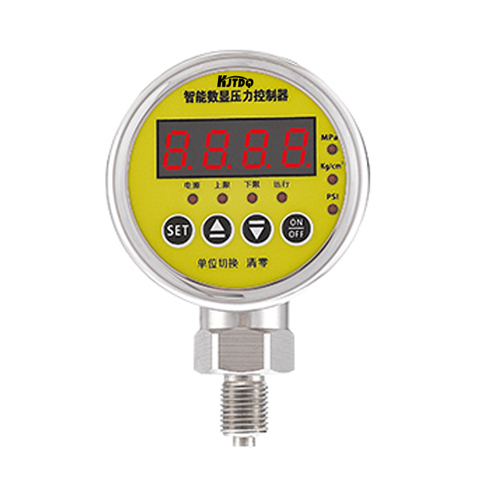
In modern industrial setups, traditional mechanical limit switches are sometimes integrated with or supplemented by digital pressure sensors and programmable logic controllers (PLCs). These systems offer more precise control, digital readouts, and remote monitoring capabilities. However, the fundamental protective role of the limit switch remains unchanged. It serves as a critical, fail-safe mechanical backup in even the most advanced automated systems.
In conclusion, the air compressor limit switch is far from a minor accessory. It is an indispensable component for safe, efficient, and reliable compressed air system operation. Its role in preventing catastrophic failures, reducing energy consumption, and protecting capital investment cannot be overstated. Proactive inspection, proper calibration, and timely replacement of this vital device are simple yet highly effective practices that ensure productivity and safety go hand in hand in any industrial environment.