check

check

check

check

check

check
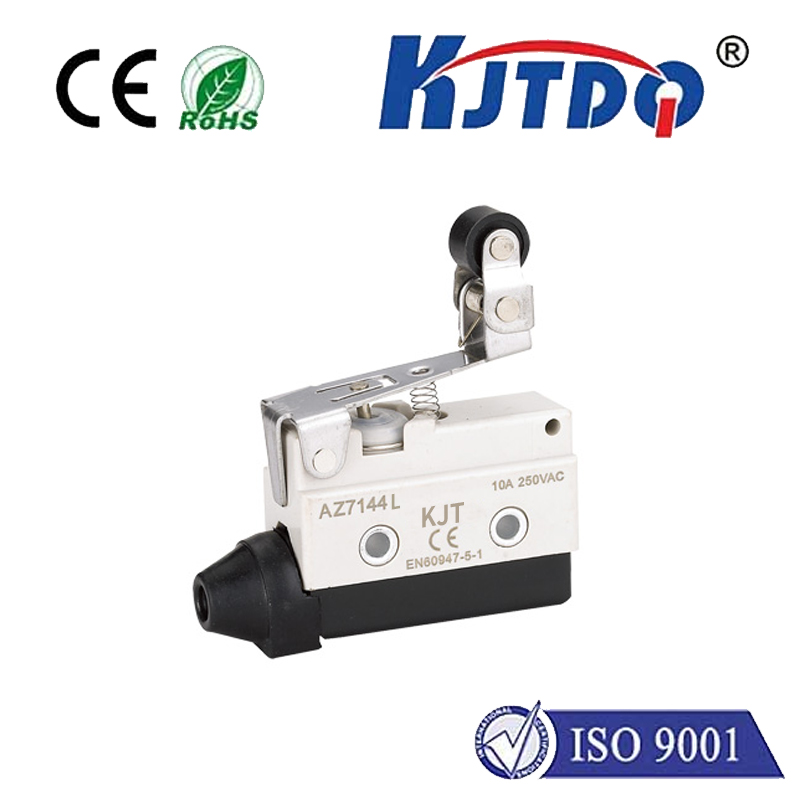
In the world of industrial automation, precision and reliability are non-negotiable. The Rotork limit switch stands as a critical component in this landscape, offering unparalleled control over valve actuators and other mechanical systems. Designed to monitor and signal the open or closed position of a valve, this device ensures operational safety and efficiency across various sectors, including oil and gas, water treatment, and power generation.
The core functionality of a Rotork limit switch lies in its ability to provide accurate positional feedback. When integrated with valve actuators, it detects the endpoint of valve movement—whether fully open or fully closed—and sends an electrical signal to the control system. This real-time data allows operators to monitor valve status remotely, reducing the need for manual checks and minimizing human error. In hazardous environments, such as chemical plants or offshore drilling rigs, this automation is vital for preventing leaks, overpressure, or equipment damage.
One of the key advantages of Rotork limit switches is their robust construction. Built to withstand harsh conditions, they feature durable housings that resist corrosion, moisture, and extreme temperatures. This durability translates to long service life and reduced maintenance costs, making them a cost-effective solution for industries where downtime is expensive. Additionally, Rotork offers customizable options, including different switch configurations, electrical ratings, and mounting styles, ensuring compatibility with a wide range of actuators and applications.
Installation and setup of Rotork limit switches are straightforward, thanks to user-friendly designs. Technicians can easily adjust the switch points to match specific valve positions, and many models include visual indicators for quick status checks. This simplicity not only speeds up deployment but also enhances system flexibility, allowing for adjustments as operational needs evolve. For example, in a water distribution network, limit switches can be recalibrated to accommodate seasonal flow changes without requiring major hardware modifications.
Beyond basic valve control, Rotork limit switches contribute to broader industrial trends like predictive maintenance and data integration. By continuously monitoring valve performance, they help identify wear patterns or potential failures before they escalate. This proactive approach aligns with Industry 4.0 initiatives, where smart devices feed data into centralized platforms for analysis. In practice, a Rotork limit switch might connect to a SCADA system, providing insights that optimize energy usage or schedule maintenance during low-demand periods.
In summary, the Rotork limit switch is more than just a mechanical component—it’s a cornerstone of modern industrial automation. Its precision, durability, and adaptability make it indispensable for ensuring safe and efficient operations. As industries continue to embrace automation and digitalization, tools like these will play an increasingly vital role in driving productivity and innovation. Whether for routine valve control or complex system integration, investing in reliable limit switches is a smart move for any organization focused on long-term performance.