check

check

check

check

check

check
In the demanding world of industrial automation, where precision and reliability are non-negotiable, the choice of a single component can dictate the success or failure of an entire operation. Among the myriad of control devices, the limit switch stands as a fundamental sentinel, and the 8104 series has carved out a reputation for robust performance. This guide delves into the specifics of the limit switch 8104, exploring its design, applications, and the critical role it plays in modern manufacturing and machinery.
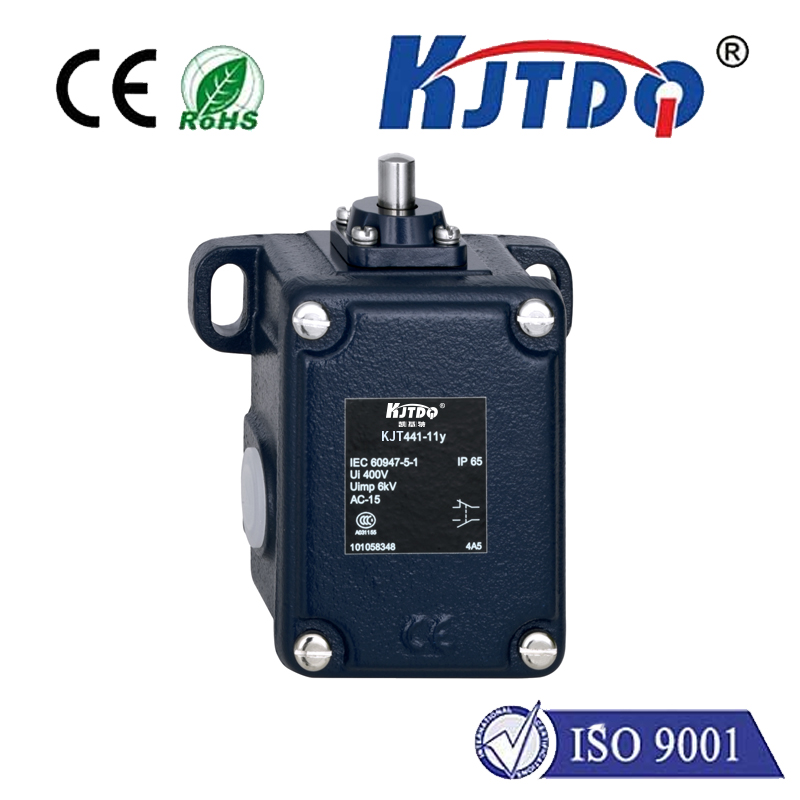
At its core, a limit switch is an electromechanical device that converts a physical motion into an electrical control signal. The 8104 model is typically characterized by its compact yet durable housing, designed to withstand harsh industrial environments. It features a precision-actuated lever arm or plunger that, when triggered by a moving part or object, opens or closes an electrical contact within the switch. This simple action sends a clear signal to a programmable logic controller (PLC) or other control system, indicating that a machine has reached a specific position, completed a cycle, or encountered an obstruction. The reliability of this signal is paramount, as it directly influences safety protocols, sequencing, and operational efficiency.
The construction of the limit switch 8104 is a testament to engineering for durability. Key features often include a sealed body rated for protection against dust, oil, and water ingress, commonly achieving an IP67 rating. The internal contacts are designed for high electrical load switching and long mechanical life, often exceeding millions of cycles. The actuator types vary, including roller levers, adjustable levers, and push rods, allowing for flexible integration into diverse mechanical setups. This versatility makes the 8104 suitable for a wide range of applications, from conveyor belt positioning and automated assembly lines to packaging machinery and material handling equipment.
One of the primary advantages of utilizing a well-engineered limit switch like the 8104 is enhanced operational safety. By providing definitive physical limits for machine travel, it prevents over-travel that could lead to equipment damage or hazardous situations. For instance, on a large press or a robotic arm, the 8104 acts as a fail-safe point, ensuring the machinery stops or reverses at precisely the correct location. Furthermore, its consistent performance contributes to reduced downtime. Accurate positioning signals minimize errors in automated processes, leading to fewer production stoppages for recalibration or part replacement. This consistency directly translates to higher throughput and lower long-term maintenance costs.
When selecting a limit switch for a critical application, several factors must be considered beyond the basic model number. The electrical specifications, such as voltage, current rating (both AC and DC), and contact configuration (normally open or normally closed), must match the control circuit requirements. The mechanical specifications, including operating force, release force, and actuator type, must be compatible with the physical motion it needs to detect. Environmental conditions are equally crucial; exposure to extreme temperatures, corrosive chemicals, or heavy vibration necessitates switches built with specific materials and sealing technologies. The limit switch 8104 series typically offers options across these parameters, allowing engineers to specify the exact variant needed for their unique operational challenges.
Installation and maintenance are straightforward but require attention to detail. Proper mounting alignment is essential to ensure the actuator is engaged correctly by the target machine part without undue stress. Regular inspection schedules should include checking for physical damage to the housing or actuator, verifying the tightness of electrical connections, and testing the switch's operational response. While the 8104 is built for longevity, proactive maintenance helps identify wear before it leads to a failure, ensuring continuous, uninterrupted production.
In conclusion, the limit switch 8104 represents more than just a component; it is a cornerstone of reliable automation. Its robust design, adaptable configuration, and proven track record in providing accurate positional feedback make it an indispensable tool for engineers and plant managers aiming to optimize safety, efficiency, and productivity. In an era where automation complexity increases daily, the fundamental reliability of devices like the 8104 provides a stable and trustworthy foundation upon which advanced systems can confidently operate.