check

check

check

check

check

check
In modern industrial automation and precision motion control systems, the reliability and accuracy of positioning are paramount. Stepper motors, widely used for their precise open-loop control, often require definitive boundaries to prevent mechanical overtravel and ensure repeatable operations. This is where the stepper limit switch plays a critical role. Specifically, the KJTDQ series of stepper limit switches has emerged as a robust solution, designed to deliver consistent performance in demanding environments.
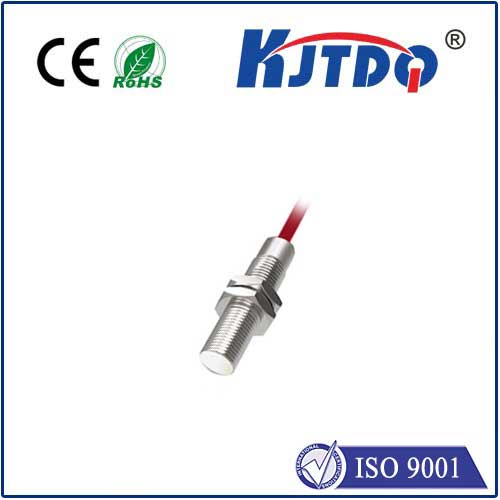
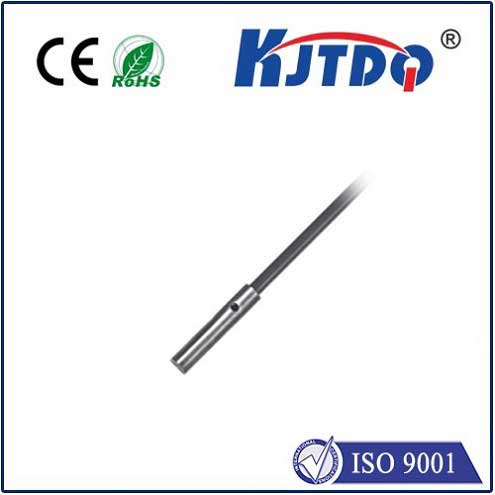
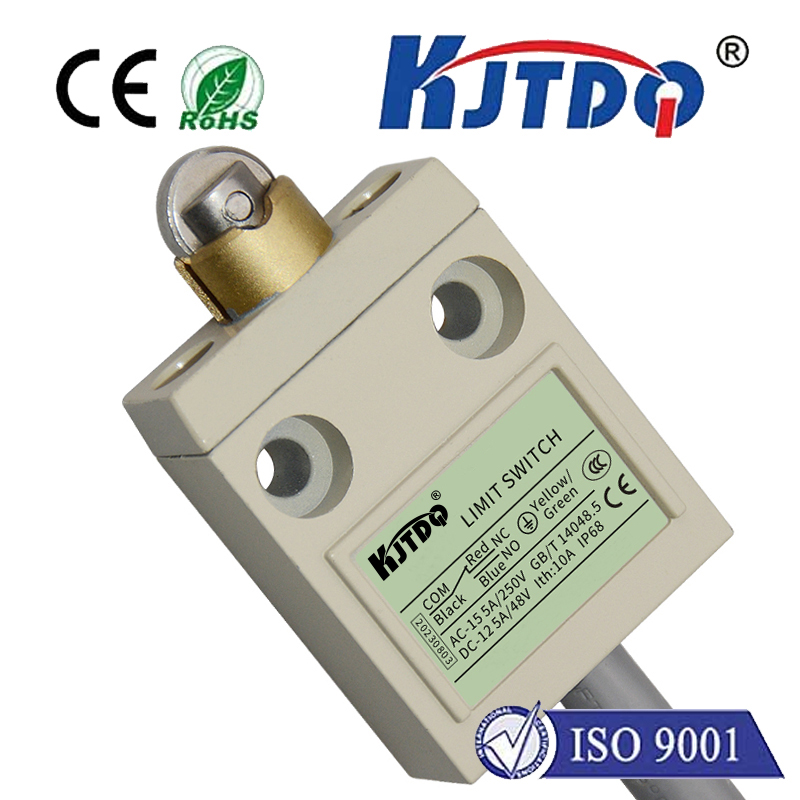
A stepper limit switch is essentially an electromechanical device that detects the presence or position of a moving part, typically connected to a stepper motor-driven system. When the moving component reaches a predetermined limit, the switch is actuated, sending a signal to the controller to halt or reverse the motor. This simple yet vital function prevents damage to equipment, reduces downtime, and enhances overall system safety. The KJTDQ switches are engineered with high-precision mechanisms, ensuring minimal actuation force and rapid response times, which are crucial for high-speed automation applications.
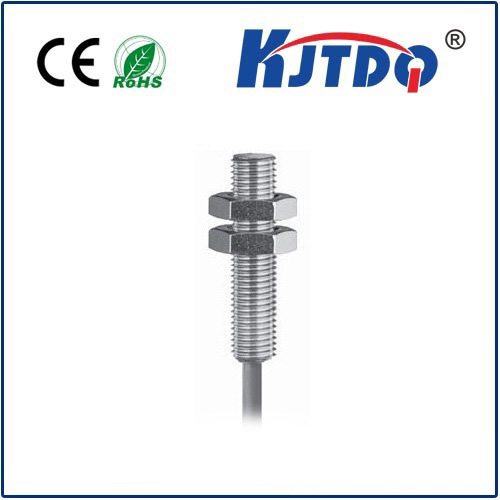
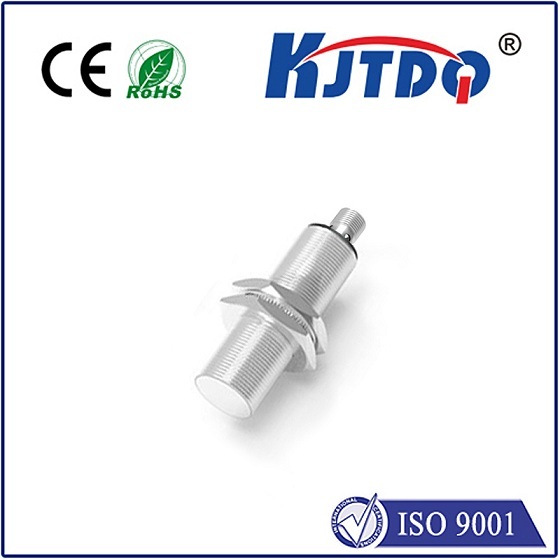
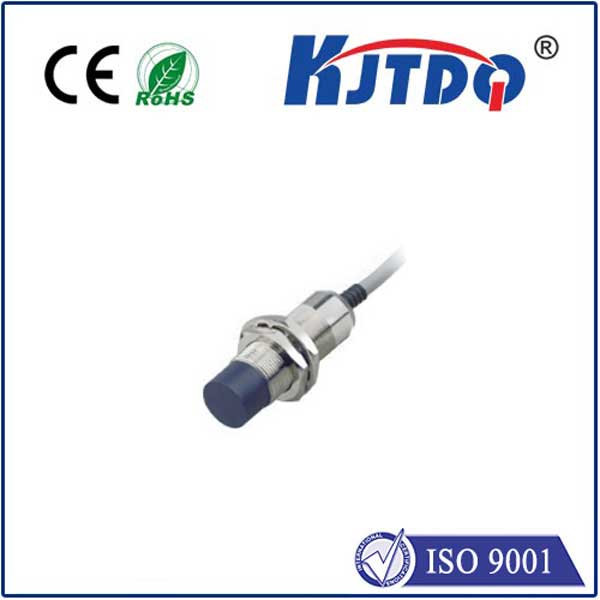
One of the key advantages of the KJTDQ stepper limit switch is its durability. Constructed from industrial-grade materials such as stainless steel housings and reinforced contacts, these switches withstand harsh conditions including dust, moisture, and temperature fluctuations. This makes them suitable for diverse sectors like CNC machining, 3D printing, robotics, and packaging machinery. Moreover, the KJTDQ series offers versatile mounting options and adjustable lever arms, allowing for easy integration into existing setups without extensive modifications.
Installation and calibration of stepper limit switches are straightforward but require attention to detail. Proper alignment with the moving parts ensures accurate triggering, while regular maintenance checks can prevent false triggers or failures. The KJTDQ models often include visual indicators or audible feedback mechanisms, aiding in quick diagnostics and troubleshooting. By incorporating these switches, operators can achieve finer control over stepper motor movements, leading to improved product quality and operational efficiency.
In conclusion, the integration of high-quality stepper limit switches like the KJTDQ series is a smart investment for any precision-driven automation system. They not only safeguard machinery but also contribute to smoother, more reliable processes. As industries continue to advance toward smarter manufacturing, the role of dependable components like these switches will only grow in importance, enabling seamless automation and long-term cost savings.