check

check

check

check

check

check
For RV owners and boating enthusiasts, a reliable refrigerator is not a luxury; it's a necessity. At the heart of a dependable Dometic absorption refrigerator's safety and performance lies a small but critical component: the limit switch. Often overlooked, this device is the silent guardian of your cooling system. Understanding its function, recognizing signs of failure, and knowing maintenance basics can prevent costly repairs and ensure your adventures are never spoiled by a warm fridge.
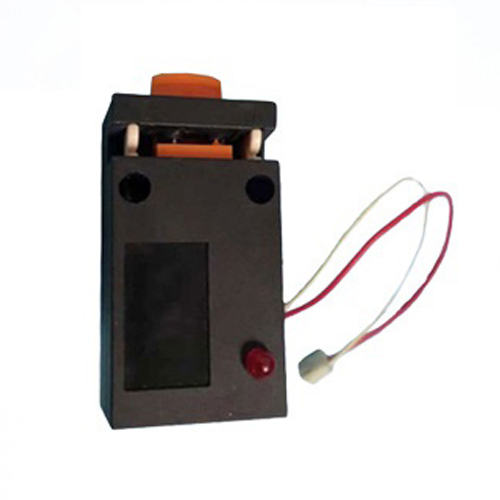
The primary role of the Dometic refrigerator limit switch is to act as a thermal safety cutoff. It is typically located on the boiler or burner assembly of the absorption cooling unit. During normal operation, the heater (powered by AC, DC, or propane) warms a solution in the boiler, initiating the cooling cycle. The limit switch constantly monitors the temperature of this critical area. If the temperature rises to an unsafe level—due to a blockage in the flue, poor ventilation, a faulty thermostat, or other malfunctions—the switch "opens," breaking the electrical circuit to the heater element. This immediate shutdown prevents overheating, which could lead to component damage, a potential fire hazard, or even a complete system failure. In essence, it is a fail-safe mechanism designed to protect both the refrigerator and your vehicle.
How do you know if this crucial safety switch is failing? Several symptoms point to a problematic limit switch. The most common is a refrigerator that fails to cool on any power source (AC, DC, or LP gas). If the switch is stuck in the "open" position, it will not allow power to reach the heater, so the cooling cycle never initiates. You might also notice that the heater seems to cycle on and off erratically or for very short periods. In some cases, visual inspection might reveal signs of overheating or melting near the switch or boiler assembly, though this indicates a severe issue that likely triggered the switch. Before concluding the switch is bad, it's essential to rule out other common issues like a blown thermal fuse, a faulty thermostat, or insufficient 12-volt power for the control board. A multimeter test for continuity is the definitive way to check the switch; a healthy switch should show continuity at room temperature and open (no continuity) when heated carefully with a heat gun or lighter flame.
Replacing a faulty Dometic limit switch is generally a straightforward task for those comfortable with basic tools and electrical safety. The process involves disconnecting all power sources (unplugging 120V, disconnecting the vehicle's battery, and turning off the propane supply), gaining access to the rear of the refrigerator, locating the switch (usually held by a single screw on the boiler), disconnecting its wire spade terminals, and installing the correct replacement part. It is paramount to use the exact Dometic-approved part number for your specific refrigerator model. Using an incorrect switch with the wrong temperature rating can compromise the entire safety system. After replacement, a thorough check of the burner assembly, flue tube, and ventilation is advisable to ensure the original cause of the overheating is addressed, preventing the new switch from tripping immediately.
Beyond repair, the limit switch underscores the importance of preventive maintenance for Dometic refrigerators. Ensuring the exterior ventilation vents are completely unobstructed is the single most effective practice. Regularly cleaning the flue tube with a specific brush kit prevents soot and debris buildup that can cause improper combustion and overheating. Annually inspecting the door seals for tightness helps the unit maintain temperature efficiently, reducing excessive heater runtime. These simple steps reduce thermal stress on the system, minimizing the chance that the limit switch will ever need to intervene. A well-maintained refrigerator not only runs more reliably but also enjoys a longer lifespan.
In summary, the Dometic refrigerator limit switch is a vital safety component that protects your investment and your safety. It is not a part that routinely wears out but rather a sensor that responds to abnormal conditions. By understanding its purpose, recognizing failure symptoms, and committing to regular maintenance, you can ensure your Dometic refrigerator provides cold, safe storage for every journey. When in doubt, especially for complex diagnostics or repairs, consulting a certified RV appliance technician is always the recommended course of action to guarantee safety and proper function.