check

check

check

check

check

check
In the intricate world of industrial automation and machinery control, precision and reliability are non-negotiable. Among the myriad components that ensure seamless operations, the limit switch stands as a fundamental sentinel, monitoring the position and movement of equipment. However, the true power of this device is fully realized only when its status is clearly and instantly communicated to operators and control systems. This is where the limit switch indicator becomes indispensable, transforming a simple mechanical action into a vital stream of operational intelligence.
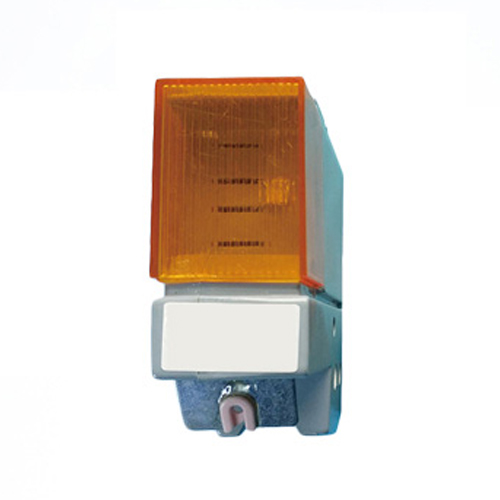
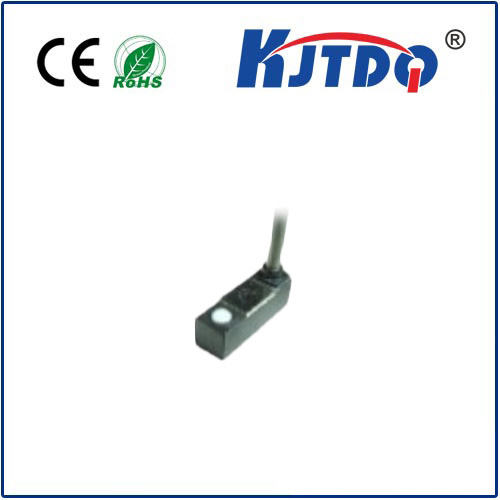
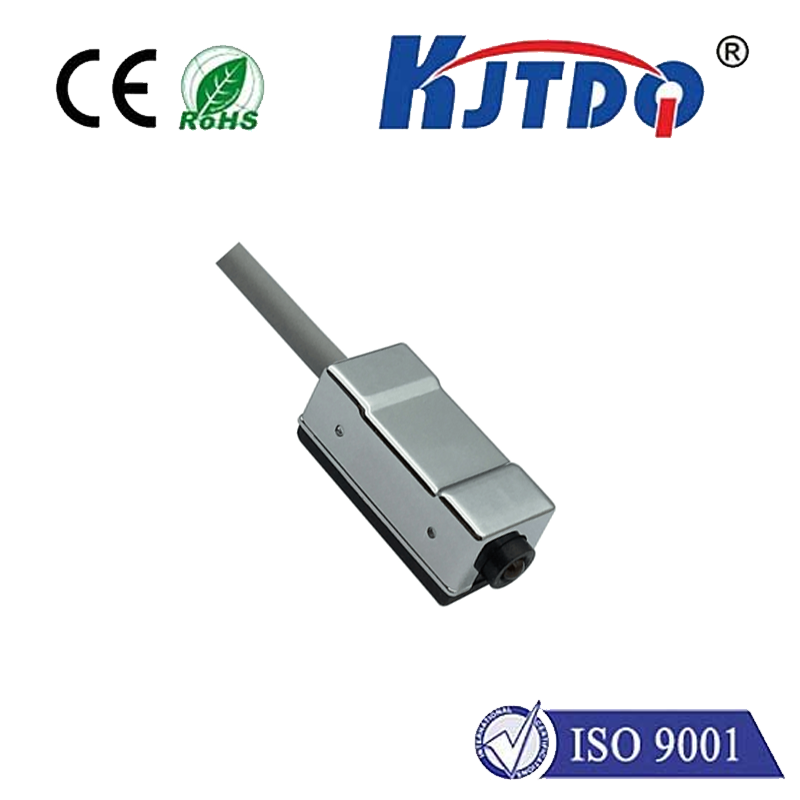
A limit switch indicator is essentially a signaling device, often an integrated light (LED or incandescent) or a remote display panel, that provides a visual confirmation of the switch's state—whether it is actuated (open or closed) or in its normal position. This immediate feedback is crucial in environments where machinery cycles are rapid, and human oversight is continuous. For instance, on a conveyor line, an illuminated indicator can instantly show if a limit switch has been triggered by a passing object, signaling the completion of a stage or detecting a jam. This visual cue allows for quicker response times, reducing downtime and preventing potential cascading failures.
The integration of indicators directly into limit switch designs or as auxiliary modules has significantly enhanced diagnostic capabilities. Modern limit switches with bright, multi-status LEDs enable technicians to perform fast troubleshooting from a distance. A green light might indicate normal operation, a red light could signify an actuated switch or a fault condition, and a flashing pattern might communicate specific error codes. This level of at-a-glance diagnostics simplifies maintenance routines, minimizes equipment interaction during troubleshooting, and enhances overall plant safety by clearly marking the operational state of machinery.
Beyond basic indication, advanced limit switch indicators are now incorporating connectivity features. They can interface with Programmable Logic Controllers (PLCs) and Industrial Internet of Things (IIoT) platforms, transmitting not just a binary on/off signal but also diagnostic data about the switch's health, such as cycle count or early signs of contact wear. This predictive maintenance aspect, signaled through indicator systems, allows teams to schedule repairs proactively, avoiding unplanned stoppages. The indicator thus evolves from a simple status light to a node in a smarter, data-driven operational network.
The benefits of a reliable limit switch indicator system are profound across sectors. In manufacturing, they ensure robotic arms and automated presses operate within their safe physical limits. In material handling, they confirm the position of elevators, doors, and cranes. In packaging and processing lines, they verify the presence and position of products. The clear visual feedback directly contributes to operational efficiency by reducing ambiguity, speeding up operator decisions, and enforcing safety protocols. When an indicator shows a limit switch has not been triggered as expected, it serves as an immediate alert for a potential misalignment or process deviation.
Selecting the right limit switch with an appropriate indicator requires consideration of the operating environment. Factors such as required visibility range, ambient lighting conditions, voltage compatibility, and ingress protection (IP) ratings against dust and water are critical. For hazardous areas, indicators with explosion-proof or intrinsically safe certifications are mandatory. The durability of the indicator is as important as the switch itself, needing to withstand vibration, temperature extremes, and chemical exposure typical in industrial settings.
In conclusion, the humble limit switch indicator is a critical component that bridges the gap between mechanical action and human-machine interaction. It elevates the basic limit switch from a silent component to an active communicator, playing a vital role in safety, efficiency, and the shift towards predictive maintenance. As industries continue to embrace automation and smart manufacturing principles, the demand for robust, intelligent, and highly visible limit switch indicators will only grow, solidifying their status as essential elements for clear operational command and control.