check

check

check

check

check

check
In the world of CNC machining, precision and reliability are paramount. Every component plays a crucial role in ensuring smooth operation and protecting valuable equipment. Among these, the limit switch stands as a silent guardian, and its integration with a controller like the CNC Shield V3 can significantly elevate your machine's performance. This guide delves into the synergy between limit switches and the popular CNC Shield V3, explaining how this combination fortifies your setup.
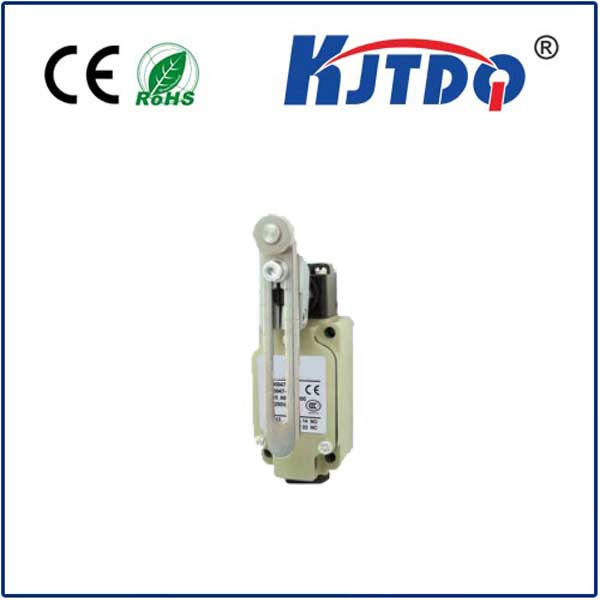
A limit switch is an electromechanical device that detects the presence or absence of an object, or monitors the movement boundaries of a machine. In a CNC router, 3D printer, or laser engraver, limit switches are typically installed at the ends of each axis (X, Y, and Z). Their primary function is to define the machine's physical travel limits, preventing the moving gantry or spindle from crashing into the frame, which could cause severe damage to motors, lead screws, or the workpiece itself. They act as essential safety sensors.
The CNC Shield V3 is a widely adopted expansion board designed primarily for Arduino UNO or compatible boards. It simplifies the control of stepper motors for CNC applications by providing driver sockets, power regulation, and dedicated pins for critical functions. One of its key features is the set of pins explicitly allocated for connecting limit switches. The shield typically has input pins for X-min, Y-min, Z-min, and sometimes max limits for each axis. This dedicated design makes wiring straightforward and organized.
Integrating limit switches with the CNC Shield V3 creates a robust control system. When the machine's carriage triggers a limit switch, it sends a signal to the Arduino via the shield. Firmware like GRBL, which is commonly used with this setup, immediately interprets this signal. Depending on your configuration, it can halt all movement instantly (hard limit) or use the switch position as a precise reference point for homing sequences (soft limits/home switches). The homing function is vital for repeatability; by touching each limit switch at startup, the machine establishes a consistent zero point, ensuring every job starts from an exact known position.
The practical benefits are substantial. First and foremost is damage prevention. A single missed step or a corrupted G-code file could command the tool to move beyond its mechanical bounds. Without limit switches, this results in a crash. With them, the machine stops safely. Secondly, it enhances precision. Consistent homing via limit switches eliminates positional drift over time. If your machine loses power or is reset, it can return to the exact same home position, ensuring multi-stage projects align perfectly. For users of the CNC Shield V3, this integration is often a primary upgrade after initial assembly.
Installation involves connecting normally open (NO) or normally closed (NC) limit switches to the appropriate pins on the shield. A common best practice is to use a NC wiring scheme for enhanced safety, as a broken wire will simulate a triggered limit, causing the machine to stop rather than operate unsafely. Configuration then takes place within the GRBL settings (or other firmware) using commands like$21 to enable hard limits or$22 to enable homing. Proper adjustment of the switch placement and firmware parameters is key to avoiding false triggers.
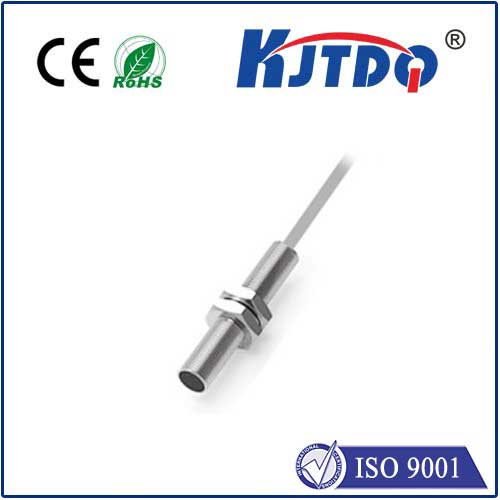
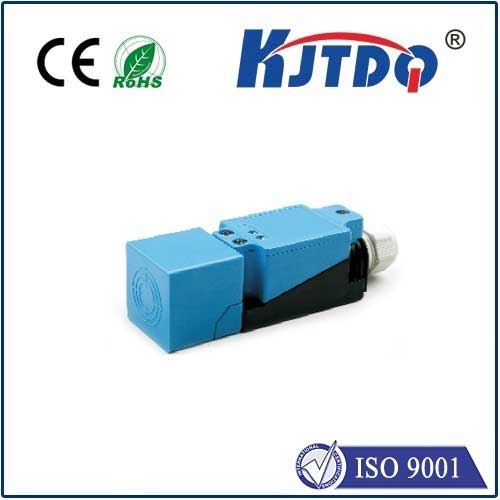
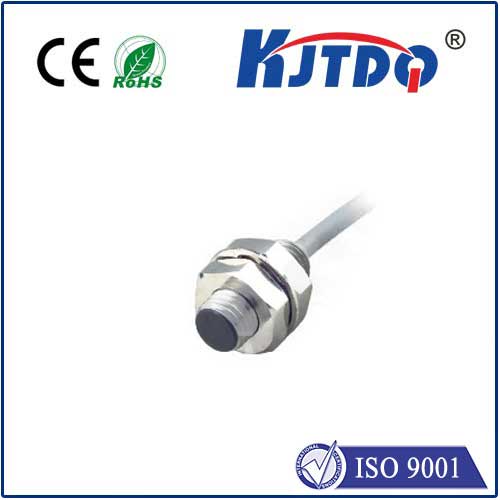
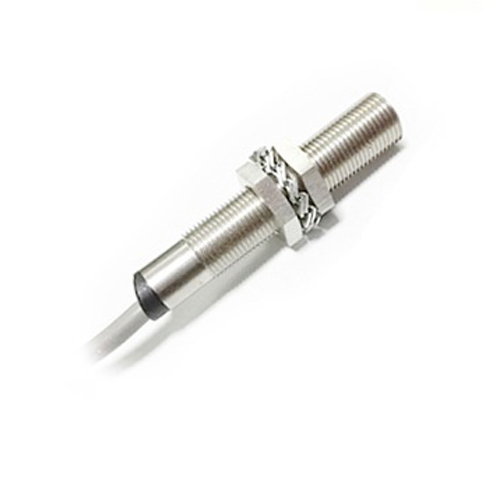
Beyond basic limits, this setup unlocks advanced functionalities. You can use the switches for automated bed leveling routines on CNC routers or 3D printers. The shield's organized pinout makes it easier to add additional sensors or a probe later. When selecting limit switches, consider mechanical lever-arm switches for robustness or more compact optical/inductive sensors for high-speed applications where physical contact is undesirable.
In conclusion, pairing reliable limit switches with the versatile CNC Shield V3 is not just an add-on; it's a fundamental step towards creating a professional, safe, and accurate CNC machine. It transforms your setup from a simple moving platform into an intelligent system aware of its physical boundaries. This combination protects your investment, improves output quality, and provides the foundational reliability needed for both hobbyist projects and professional prototyping. By implementing this crucial safety and calibration feature, you ensure your machine operates at its full potential, job after job.