check

check

check

check

check

check
In industrial automation and machinery control, the reliability of components directly impacts operational efficiency and safety. Among these critical components, limit switches play a pivotal role in detecting the presence or position of objects. However, standard limit switches often fail when exposed to moisture, dust, oils, and extreme temperatures. This is where the waterproof limit switch becomes an indispensable solution, designed to maintain precise functionality where others cannot.
A waterproof limit switch is engineered with a robust housing, typically constructed from materials like stainless steel or high-grade engineering plastics, and sealed with gaskets, O-rings, or potting compounds. This sealing achieves specific Ingress Protection (IP) ratings, such as IP67 or IP68, indicating complete protection against dust ingress and the ability to withstand temporary or prolonged immersion in water. The internal mechanism, whether mechanical, inductive, or magnetic, is shielded from external contaminants, ensuring consistent signal transmission and actuator response.
The applications for these durable switches are vast and varied. In the food and beverage industry, they are subjected to frequent high-pressure washdowns with caustic cleaning agents. A waterproof limit switch installed on a conveyor or filling machine continues to provide accurate position feedback, preventing costly downtime and product spoilage. In maritime and offshore operations, equipment faces constant exposure to saltwater spray and high humidity. Limit switches on cranes, winches, and hatch controls must resist corrosion and water ingress to ensure safe vessel operations. Similarly, in wastewater treatment plants, mining, and agricultural machinery, these switches reliably operate amidst mud, slurry, and unpredictable weather conditions.
Selecting the right waterproof limit switch involves several key considerations beyond just the IP rating. The operating temperature range must align with the environment, from freezing cold storage facilities to hot manufacturing floors. The mechanical durability, including shock and vibration resistance, is crucial for heavy machinery. Electrical specifications, such as voltage, current rating, and connection type (pre-wired or connector-based), must match the control system's requirements. Additionally, the actuator type—roller lever, plunger, or rod—should be chosen based on the specific motion it needs to detect.
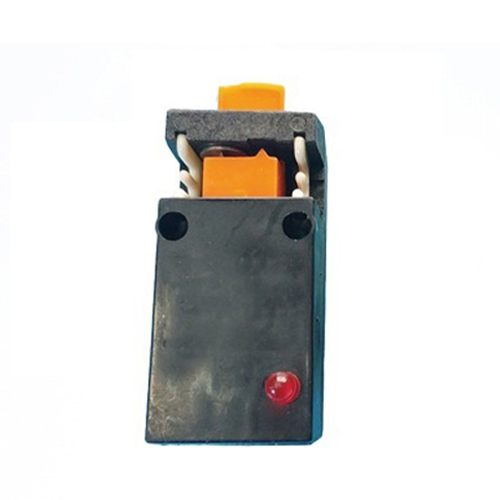
Modern advancements have further enhanced the capabilities of waterproof limit switches. Some models now incorporate solid-state electronics with no moving mechanical parts, offering even greater longevity and resistance to wear in high-cycle applications. Others feature advanced diagnostics via LED indicators or integrated sensors that can communicate over industrial networks, providing predictive maintenance data. This evolution transforms them from simple binary sensors into intelligent components of a connected factory.
Installation and maintenance, while straightforward, require attention to detail to preserve the switch's integrity. Ensuring that cable glands or conduit entries are properly sealed is as important as the switch's own seals. Regular inspections for physical damage to the housing or actuator arm, and checking the tightness of mounting hardware, can prevent premature failure. Even the most rugged switch can be compromised by improper installation or neglected wear points.
Ultimately, the investment in a high-quality waterproof limit switch is an investment in system resilience. It minimizes unplanned stoppages, reduces maintenance costs associated with component replacement, and safeguards against the safety risks posed by sensor failure in critical control loops. By providing a dependable signal in environments that would cripple standard switches, they form a silent, robust backbone for automation systems that must perform day-in and day-out, regardless of the challenges posed by their surroundings. Their value lies not only in their functionality but in the confidence they provide to engineers and operators managing complex, demanding industrial processes.