check

check

check

check

check

check
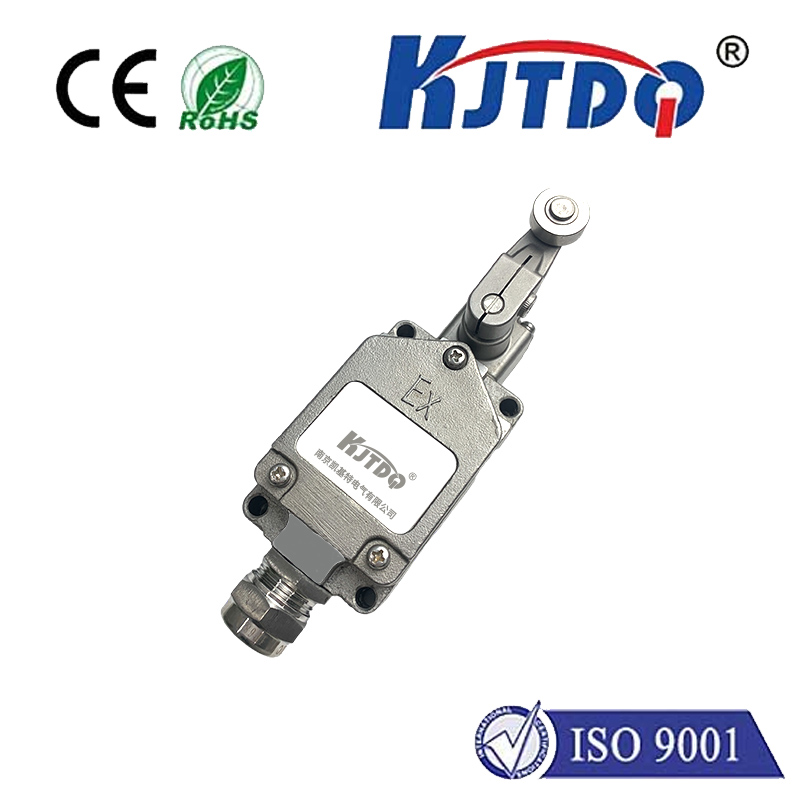
In industrial automation and machinery control, the stop limit switch plays a critical role in ensuring operational safety and precision. Often referred to as a limit switch or positional switch, this device is designed to detect the presence or absence of an object, or to monitor the movement limits of a machine component. When a predetermined limit is reached, the switch activates to either halt the machine's motion or trigger a specific sequence, preventing over-travel, collisions, or other hazardous conditions.
The fundamental mechanism of a stop limit switch involves a mechanical actuator—such as a lever, roller, or plunger—that makes physical contact with a moving part. This contact changes the internal electrical state of the switch, opening or closing a circuit to send a signal to the control system. For instance, in a conveyor system, a limit switch can be positioned to stop the belt when a product reaches the end of the line. In robotic arms, these switches define the safe boundaries of movement, protecting both the equipment and nearby personnel.
Modern stop limit switches are engineered for durability and reliability in harsh environments. They are typically housed in robust enclosures made from materials like metal or high-grade plastics, offering resistance to dust, moisture, oil, and extreme temperatures. Sealed versions are available for washdown applications in food processing or pharmaceutical industries. The electrical contacts are designed for long life, capable of handling millions of cycles without failure, which is vital for continuous production lines.
Selecting the right stop limit switch depends on several factors. The operating environment dictates the required ingress protection (IP) rating; for example, an IP67-rated switch can withstand temporary immersion in water. The type of actuator is chosen based on the direction of approach and the force expected from the target object. Roller lever actuators are common for sideways movements, while plunger types suit direct linear pushes. Electrical specifications, such as voltage, current rating (both AC and DC), and the number of contacts (normally open or normally closed), must match the control circuit requirements.
Installation and maintenance are straightforward but crucial for optimal performance. The switch must be mounted securely to avoid vibration-induced misalignment. Regular inspection for physical damage, wear on the actuator, and cleanliness of the contact area helps prevent unexpected downtime. Many switches feature visual indicators, like LED status lights, for quick troubleshooting. In safety-critical applications, redundant switches or those with positive-break contacts are employed to ensure fail-safe operation.
Beyond basic stopping functions, advanced stop limit switches integrate with programmable logic controllers (PLCs) and industrial networks. They provide not only binary stop/go signals but also diagnostic data, contributing to predictive maintenance strategies. For example, a switch monitoring a garage door can signal if the door is fully closed, while in elevator systems, limit switches ensure the cab aligns perfectly with floor levels.
The integration of stop limit switches with other safety components, such as emergency stop buttons and light curtains, creates comprehensive machine safety systems. Compliance with international standards like ISO 13849 and IEC 60947-5-1 is essential, ensuring that the switches meet rigorous performance and safety criteria. This compliance is particularly important in sectors like automotive manufacturing, packaging, and material handling, where machine uptime and worker protection are paramount.
In summary, the stop limit switch is a fundamental component in industrial automation, offering a simple yet effective solution for position detection and motion control. Its versatility, reliability, and critical role in safety make it indispensable across countless applications. By understanding its operation, selection criteria, and maintenance needs, engineers and technicians can enhance both the safety and efficiency of their machinery, reducing risks and improving productivity.