check

check

check

check

check

check
In the realm of industrial automation, precision and reliability are paramount. The infrared limit switch, a sophisticated sensing device, stands as a critical component in achieving these goals. Unlike traditional mechanical limit switches that rely on physical contact, infrared switches operate using an invisible beam of infrared light. This non-contact method of detection offers significant advantages, particularly in environments where cleanliness, speed, and minimal wear are essential.
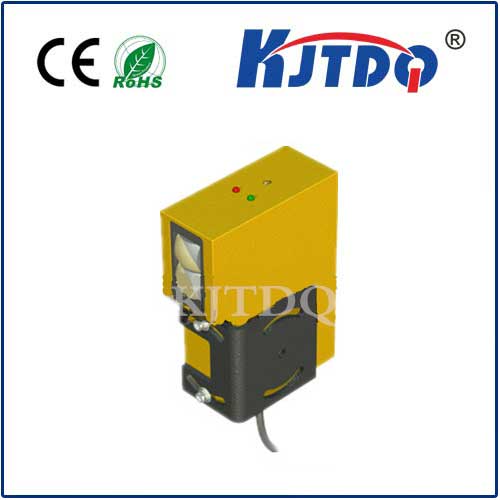
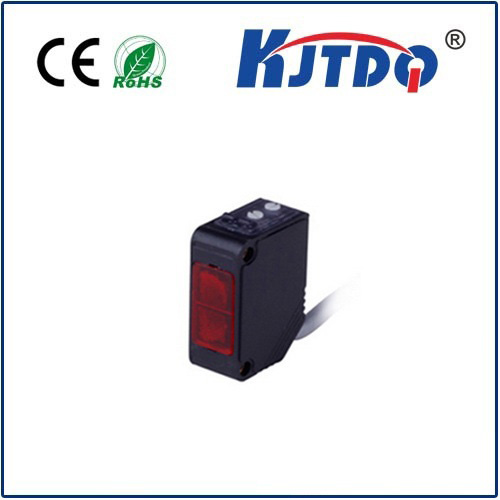
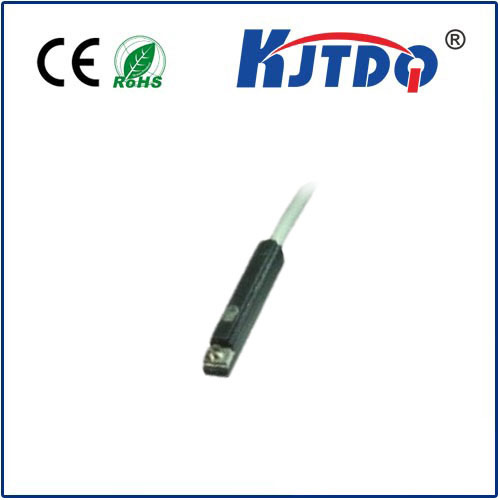
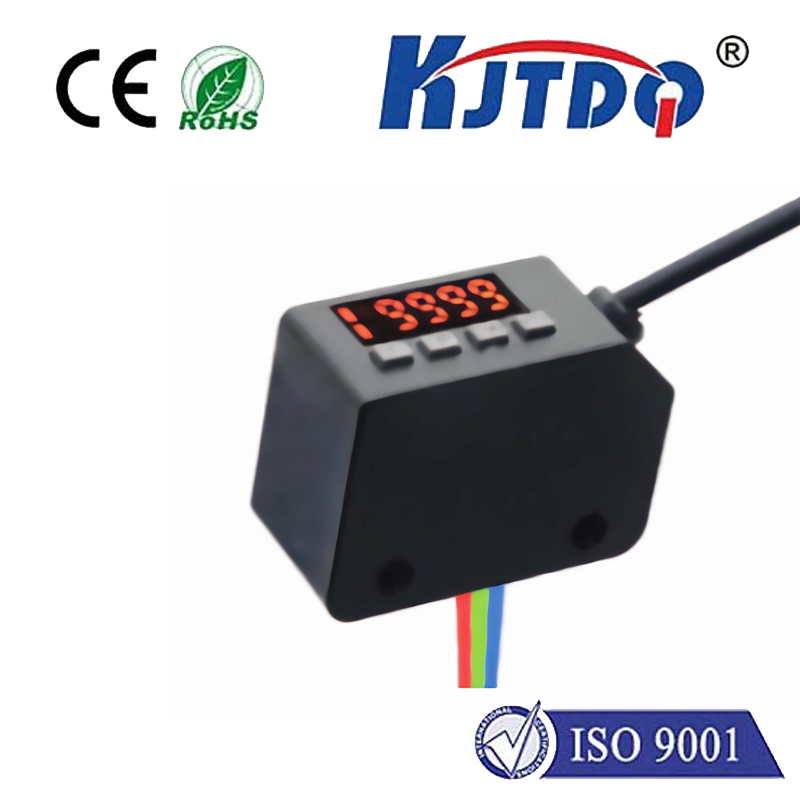
The core principle behind an infrared limit switch is straightforward. It consists of two main parts: an infrared emitter and a receiver. The emitter continuously projects a beam of infrared light towards the receiver. When an object passes between them, it interrupts this beam. The receiver detects this interruption and sends an electrical signal to the control system, triggering a predefined action, such as stopping a conveyor belt, counting items, or initiating the next step in a manufacturing sequence. This KJTDQ model exemplifies modern advancements in this technology, integrating enhanced signal processing for improved stability.
The benefits of employing an infrared limit switch are numerous. First and foremost is its non-contact nature. Since there is no physical touch between the switch and the target object, there is zero mechanical wear on the switch itself. This translates to a dramatically longer operational lifespan and reduced maintenance costs compared to mechanical counterparts. Furthermore, the absence of physical contact means these switches can detect fragile, soft, or easily damaged objects without causing any harm, making them ideal for packaging, food processing, and electronics assembly lines.
Another key advantage is high-speed response. Infrared light travels at, well, the speed of light. The detection and signal transmission happen almost instantaneously, allowing for extremely fast and precise control in high-speed automation applications. This is crucial for modern production lines where every millisecond counts for throughput and efficiency. The KJTDQ series is engineered to deliver consistent performance even in demanding high-cycle operations.
Environmental resilience is also a strong suit. Many infrared limit switches, including robust models like the KJTDQ, are designed with sealed housings that protect against dust, moisture, and oil ingress. This IP-rated protection ensures reliable operation in harsh industrial settings, from automotive plants to woodworking shops. Additionally, their performance is generally unaffected by ambient sound, magnetic fields, or vibrations that could interfere with other sensor types.
When selecting an infrared limit switch for an application, several factors must be considered. Sensing range is primary; different models offer varying effective distances. The KJTDQ provides a configurable range suitable for most medium-range applications. The type of output signal (e.g., NPN, PNP, or analog) must be compatible with the existing programmable logic controller (PLC) or control circuitry. Beam pattern is another consideration; some switches have a focused beam for precise detection, while others have a wider beam for larger target areas.
Installation and alignment are simpler than one might expect. Many modern units feature built-in alignment indicators, such as LED lights that change color or blink to signal optimal beam reception. This simplifies setup and reduces downtime during maintenance or reconfiguration. Regular maintenance primarily involves keeping the lens of the emitter and receiver clean to ensure an unobstructed beam path, a simple but vital task.
In practical applications, infrared limit switches are ubiquitous. They are used as safety interlocks on machinery guards, ensuring the machine cannot operate if a guard door is open. On assembly lines, they precisely position components for robotic arms. In material handling, they control the sorting and routing of packages. The versatility and reliability of devices like the KJTDQ make them an indispensable tool for engineers designing efficient, safe, and intelligent automated systems.
As automation continues to evolve towards smarter, more interconnected systems (Industry 4.0), the role of precise sensors becomes even more critical. The infrared limit switch, with its proven technology and continuous improvements in areas like background suppression and noise immunity, remains a fundamental building block. By providing accurate, contactless detection, it forms the sensory foundation upon which reliable and efficient automated processes are built, driving productivity and quality across countless industries.