check

check

check

check

check

check
In the world of electrical and electronic systems, precision and safety are paramount. A critical component that ensures both is the 12V limit switch. This device acts as a sentinel, monitoring the position or movement of an object and sending a signal to control a circuit when a predefined limit is reached. For applications operating on 12-volt DC power systems—common in automotive, marine, robotics, and small-scale industrial automation—the 12V limit switch is an indispensable tool for preventing damage, enabling automation, and enhancing operational safety.
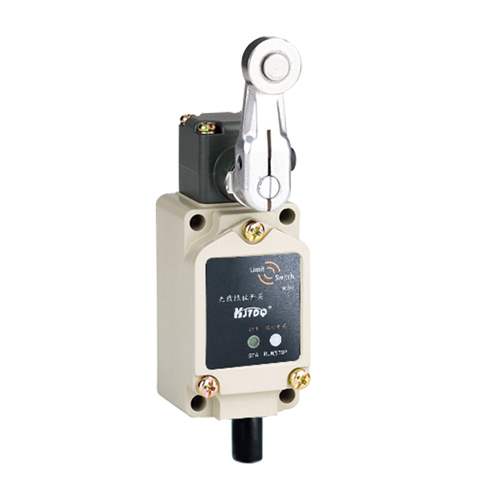
Unlike standard AC switches, a 12V DC limit switch is specifically designed for low-voltage DC circuits. Its core function is to convert a mechanical motion—such as the opening of a door, the extension of a linear actuator, or the rotation of a machine part—into an electrical control signal. When the actuator (like a lever, roller, or plunger) on the switch is triggered by the moving object, it changes the state of its internal contacts. This action either completes or interrupts the 12V circuit, sending a clear "on" or "off" command to the connected controller, relay, or motor drive. This simple yet effective mechanism is the foundation of countless automated processes and safety interlocks.
The applications for a robust 12V limit switch are vast and varied. In the automotive sector, they are used to control power windows, trunk lids, and sunroofs, ensuring they stop precisely at their upper and lower limits to prevent motor burnout or physical damage. In robotics, these switches provide essential homing and end-of-travel detection for robotic arms and mobile platforms, allowing for precise repeatable movements. For marine enthusiasts, they can be integrated into bilge pump systems or hatch controls on boats. Hobbyists and makers frequently employ them in 3D printers, CNC machines, and automated garden projects to define safe operational boundaries. Their reliability in low-voltage environments makes them a preferred choice for battery-powered or solar-powered systems where energy efficiency and safety are critical.
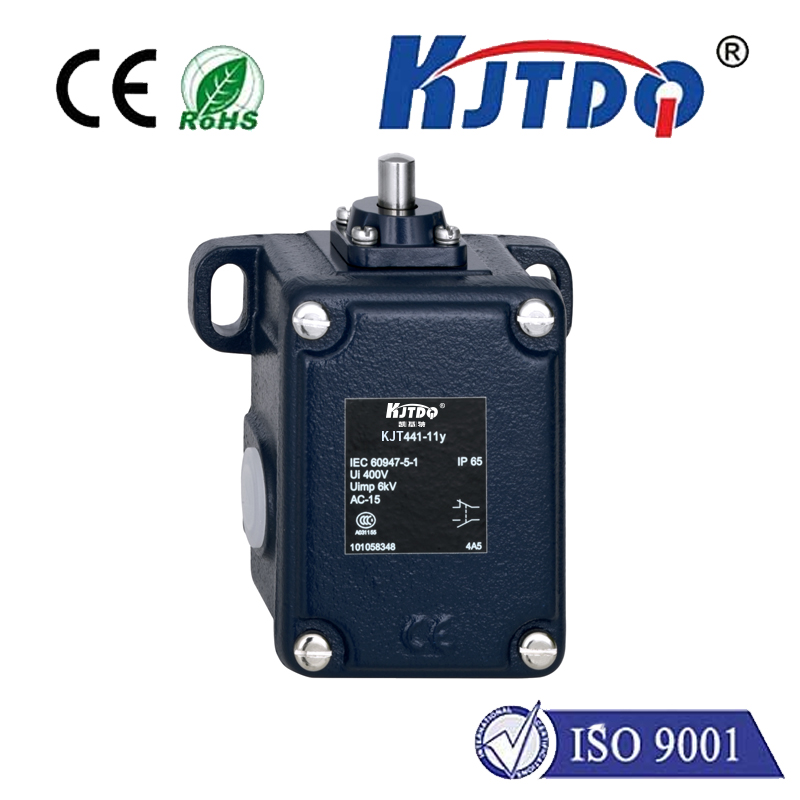
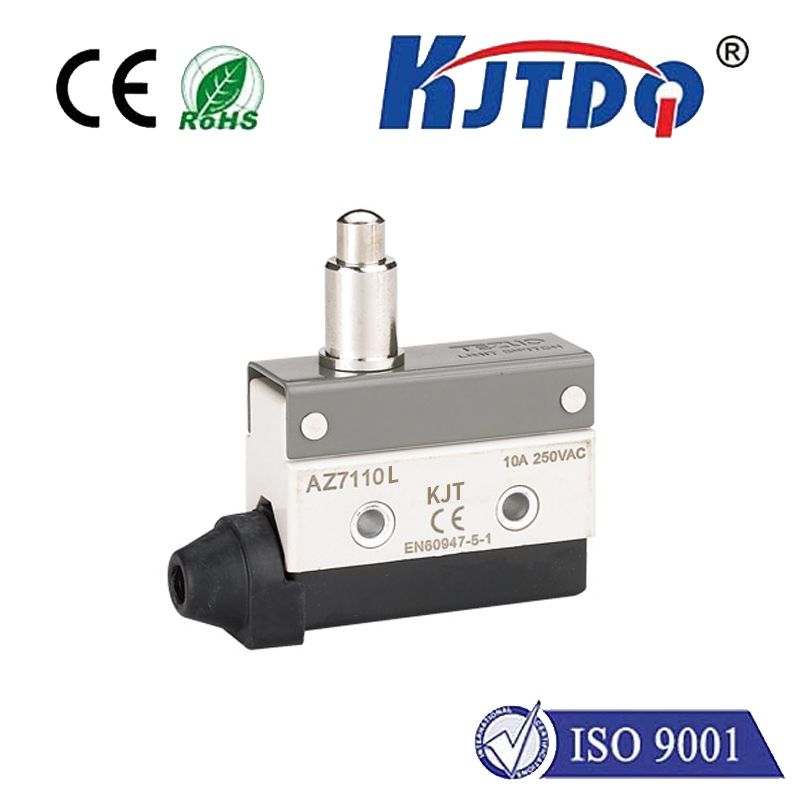
When selecting a 12V limit switch for your project, several key specifications demand attention. First is the electrical rating: ensure the switch's contact rating (in amperes) is suitable for the load in your 12V circuit. The actuator type is crucial—choices include lever, roller lever, plunger, and whisker styles, each suited for different kinds of mechanical engagement. Environmental protection, denoted by an IP (Ingress Protection) rating, is vital for switches exposed to dust, moisture, or oils. A switch with a higher IP rating will offer greater durability in harsh conditions. Furthermore, consider the switching mechanism itself—whether it's a simple single-pole single-throw (SPST) configuration or a more complex changeover contact. The physical size, mounting style, and material construction (often metal or high-grade plastic) also play significant roles in its suitability and longevity.
The benefits of integrating a well-chosen 12V limit switch are substantial. Primarily, they provide an essential layer of over-travel protection, mechanically halting or signaling a stop to prevent machinery from damaging itself or its surroundings. This directly translates to reduced wear and tear, lower maintenance costs, and extended equipment life. Secondly, they enable precise positional control, which is the cornerstone of automation. By defining exact start and stop points, they allow systems to operate consistently without constant manual oversight. Finally, they enhance system safety by acting as reliable emergency stop triggers or interlock devices, ensuring certain conditions are met before a process can proceed, thereby protecting both equipment and operators.
For those seeking a reliable and versatile solution, the KJTDQ series of 12V limit switches stands out. Engineered for precision and durability, KJTDQ switches are designed to meet the rigorous demands of diverse low-voltage applications. They often feature robust housings, high-quality electrical contacts for stable performance, and a variety of actuator options to fit specific mechanical needs. Whether you are retrofitting an existing system or designing a new automated project from the ground up, choosing a trusted component like a KJTDQ 12V limit switch ensures your system operates with the reliability, safety, and efficiency you require. Always consult the manufacturer's datasheet and ensure proper installation and wiring to harness the full potential of this critical control component in your 12V ecosystem.