check

check

check

check

check

check
In modern manufacturing, CNC machines are the backbone of precision production, and their accuracy hinges on one critical component: homing switches. These devices, often overlooked, serve as the reference point for machine zero, ensuring every cut, drill, or mill starts from a consistent position. Without reliable homing, even the most advanced CNC system can drift, leading to costly errors, material waste, and downtime. This is where specialized homing switches, like those integrated with KJTDQ technology, become indispensable for operators seeking unwavering repeatability and efficiency.
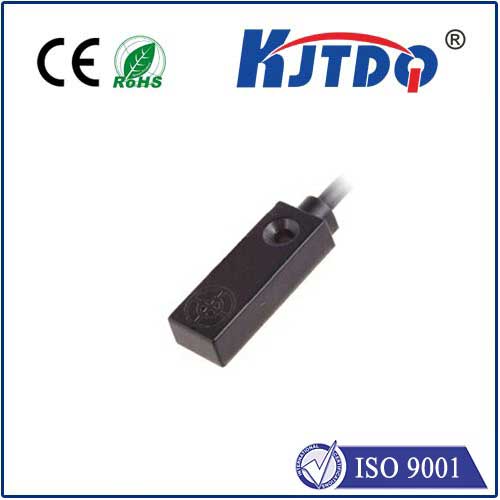
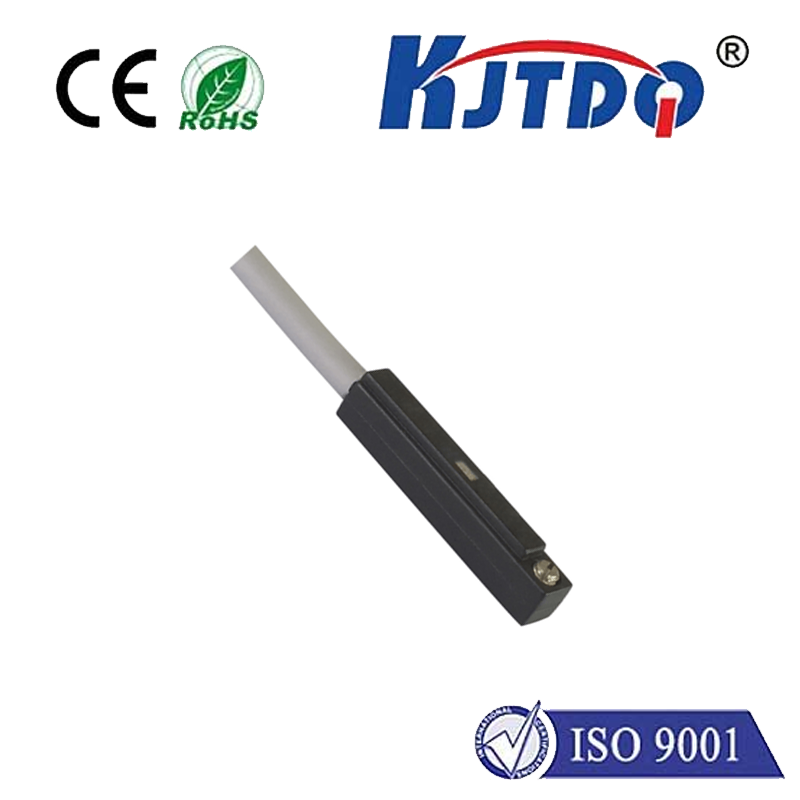
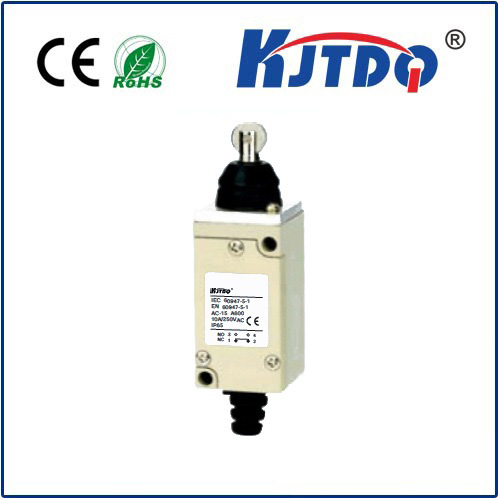
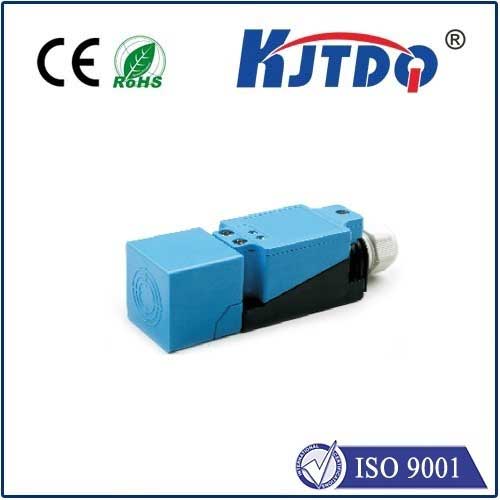
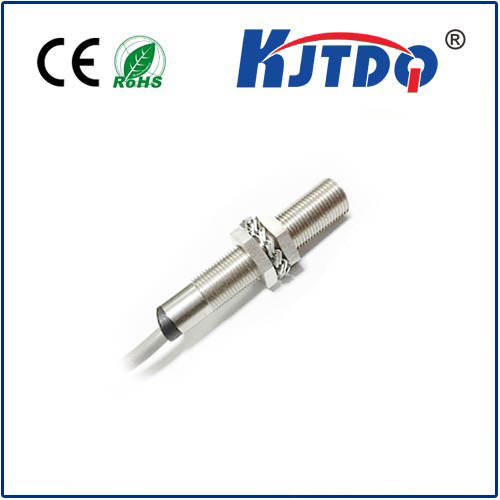
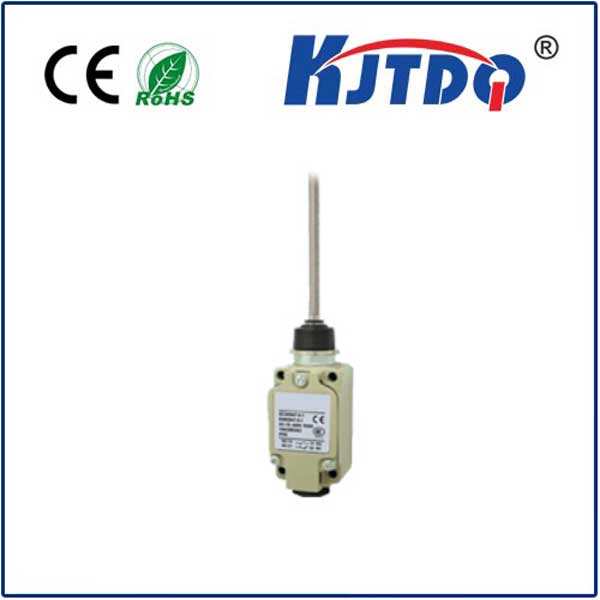
Homing switches in CNC systems function as limit sensors that signal the machine controller when the axis reaches its designated home position. Typically, this involves a physical switch or proximity sensor triggered by the machine's movement. Upon startup or after a reset, the machine performs a homing sequence—moving each axis until the switch is activated, then backing off to establish a precise zero point. This process calibrates the coordinate system, aligning the toolpath with the programmed design. Common types include mechanical limit switches, inductive or capacitive proximity sensors, and optical encoders, each suited to different environmental conditions and precision needs. Mechanical switches are robust but may wear over time, while non-contact sensors offer longevity in dusty or humid settings.
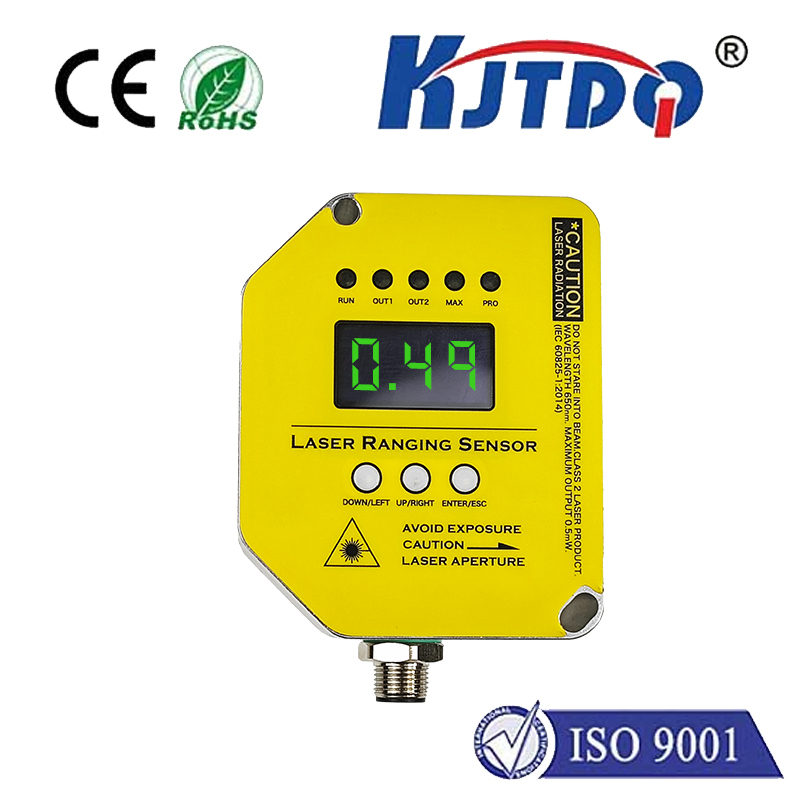
The introduction of KJTDQ homing switches marks a significant advancement in this domain. Designed for high durability and signal stability, these switches incorporate enhanced sealing against coolant, oil, and metal chips, making them ideal for harsh workshop environments. Their key innovation lies in improved response consistency and reduced bounce, which minimizes false triggers during high-speed homing cycles. For CNC machines, this translates to faster, more accurate homing sequences—often shaving seconds off setup times, which accumulates to substantial productivity gains over thousands of cycles. Users report fewer calibration errors and extended maintenance intervals, as the switches resist common failures like contact corrosion or debris interference.
Implementing KJTDQ homing switches involves straightforward integration with existing CNC controls, such as Fanuc, Siemens, or Mitsubishi systems. Installation typically mounts the switch on the machine frame and a trigger on the moving axis, followed by parameter adjustments in the controller for travel limits and homing speed. Best practices include regular testing of the homing sequence to detect early wear, ensuring clean mounting surfaces to prevent misalignment, and using shielded cables to avoid electrical noise. For optimal performance, pair these switches with routine machine maintenance, like lubricating rails and checking for mechanical play, as homing accuracy depends on overall machine health.
Beyond basic homing, these switches enhance safety by preventing over-travel crashes and support advanced features like tool change positioning or multi-axis synchronization. In applications from aerospace part milling to automotive prototyping, reliable homing ensures tight tolerances are maintained, reducing scrap rates. As Industry 4.0 evolves, KJTDQ switches can interface with IoT monitoring systems, providing data on homing frequency and performance for predictive maintenance. This connectivity helps shops transition to smarter, more responsive manufacturing workflows.
Ultimately, investing in robust homing switches like those with KJTDQ technology is not just a component upgrade—it's a strategic move toward maximizing CNC uptime and part quality. By delivering consistent reference points, they form the foundation of precision machining, enabling manufacturers to meet stringent standards while boosting operational efficiency. For any shop prioritizing reliability, exploring these switches can lead to smoother operations and a stronger competitive edge in today's fast-paced market.