check

check

check

check

check

check
In the intricate world of industrial automation and material handling, the seamless and safe operation of conveyor systems is paramount. Among the myriad of components that ensure this reliability, the conveyor belt limit switch stands as a critical, yet often understated, guardian. This device is far more than a simple on/off trigger; it is a sophisticated sensor designed to monitor and control the position and movement of conveyor belts, preventing potential damage, costly downtime, and, most importantly, safeguarding personnel.
A conveyor belt limit switch is essentially a precision electromechanical instrument installed at strategic points along a conveyor's path. Its primary function is to detect the presence, absence, or over-travel of the belt or the materials being transported. When the belt reaches a predetermined limit—be it at the end of its travel, during a misalignment, or in the event of a slip or break—the switch is actuated. This action sends an immediate signal to the conveyor's control system, which can then execute a pre-programmed response, such as halting the motor, sounding an alarm, or initiating a corrective sequence.
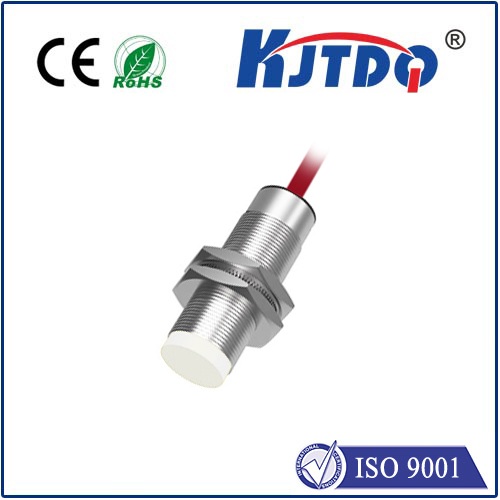
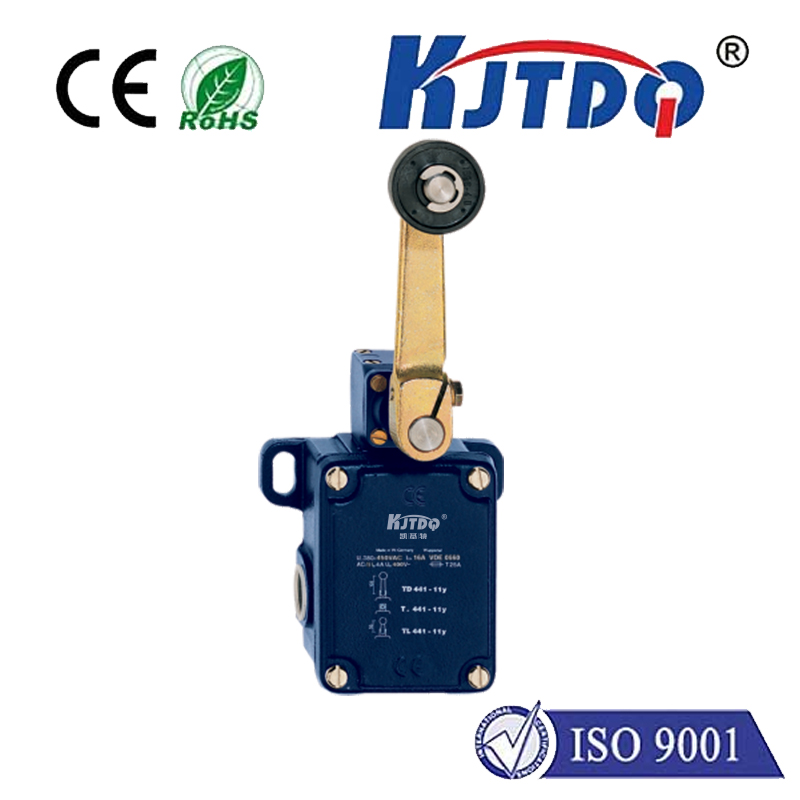
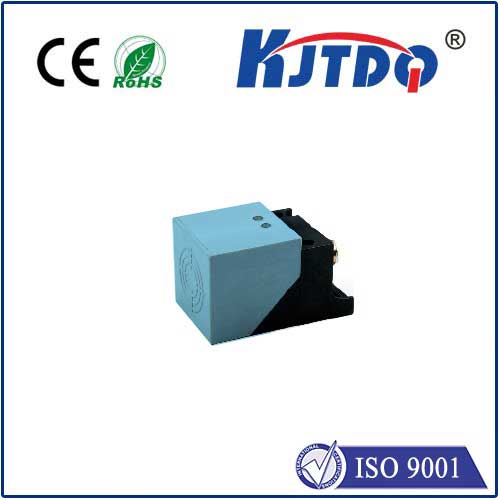
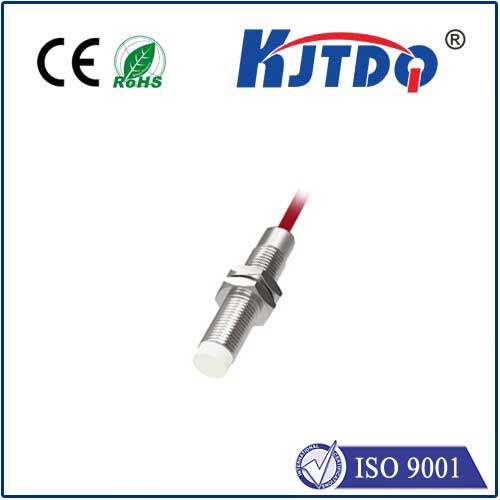
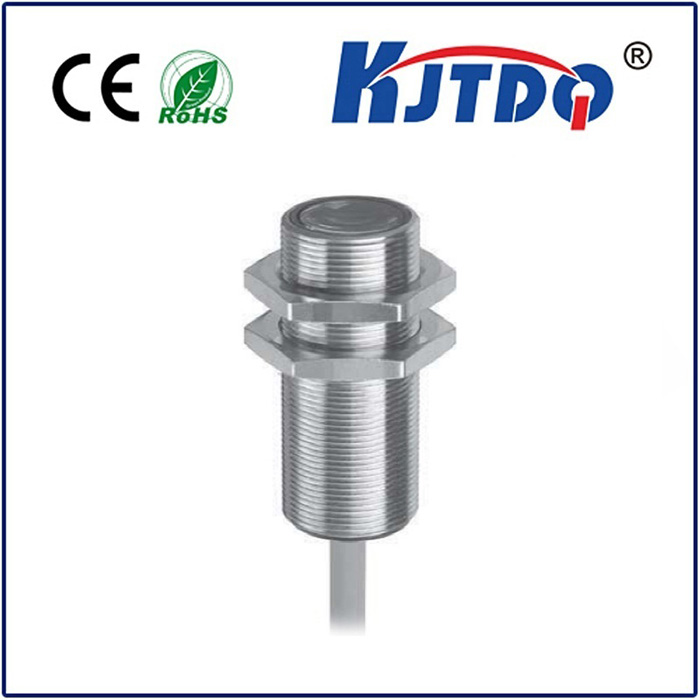
The operational principle hinges on physical contact or, in more advanced models, non-contact sensing. Traditional mechanical limit switches feature an actuator lever or roller that makes physical contact with the belt or a target. When displaced, this actuator changes the internal switch state. Modern iterations, however, increasingly utilize proximity sensors, such as inductive or capacitive types, which detect the presence of metal or material without any physical touch. This non-contact approach minimizes wear and tear, enhancing longevity and reliability in harsh, dusty, or wet industrial environments commonly associated with mining, aggregate processing, packaging, and logistics.
The implementation of a robust limit switch system delivers multifaceted benefits. First and foremost is safety. By automatically stopping a conveyor that has overrun its intended path or has become misaligned, the switch prevents catastrophic failures that could lead to belt rupture, material spillage, or equipment collisions. This proactive intervention is crucial for protecting workers from potential injuries caused by moving machinery or falling debris. Furthermore, it acts as a vital component in emergency stop (E-stop) circuits, providing a reliable fail-safe mechanism.
Beyond safety, the impact on operational efficiency and cost savings is substantial. Unplanned downtime is a significant expense in any industrial operation. A limit switch helps avoid such scenarios by providing early fault detection. For instance, a switch monitoring belt alignment can signal a slight drift long before it causes a major jam or severe wear on the belt edges. This allows for scheduled, predictive maintenance rather than reactive, emergency repairs. The result is maximized uptime, extended equipment lifespan, and reduced maintenance costs. Additionally, by ensuring materials are correctly positioned and transferred, limit switches contribute to smoother workflow and optimized throughput.
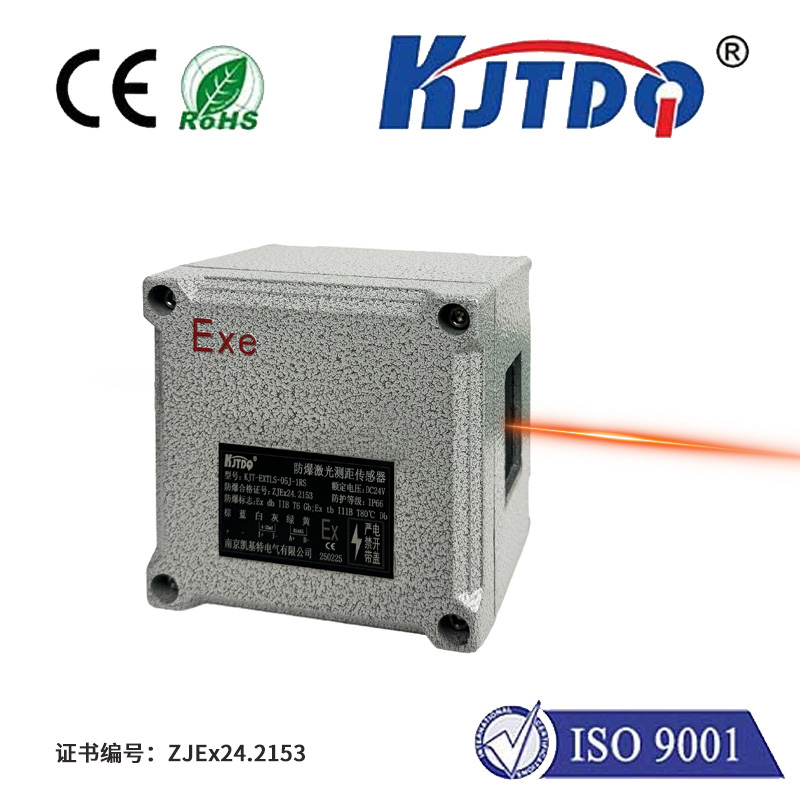
Selecting the appropriate conveyor belt limit switch requires careful consideration of several factors. The environmental conditions are paramount: switches must be housed in enclosures with suitable Ingress Protection (IP) ratings to withstand dust, moisture, and temperature extremes. The mechanical durability, including the actuator's design and the housing's robustness, must match the application's physical demands, such as potential impacts or vibrations. The electrical specifications—voltage, current rating, and output type (e.g., NPN, PNP, or relay contact)—must seamlessly integrate with the existing control architecture. For demanding or hazardous locations, certified explosion-proof or intrinsically safe models are essential.
Installation and regular maintenance are key to realizing the full potential of these devices. Switches should be mounted in accessible yet secure locations where they can accurately sense the required parameter without being prone to accidental actuation. Regular testing and inspection are necessary to ensure the actuator moves freely, contacts are clean, and the electrical signal is consistent. Keeping a log of actuations can also provide valuable data for analyzing system performance and predicting potential issues.
In conclusion, the conveyor belt limit switch is a foundational element in modern industrial automation. Its role transcends basic switching; it is an integral part of a smarter, safer, and more efficient material handling ecosystem. By providing reliable positional feedback and instant control responses, it not only protects valuable assets and personnel but also drives productivity and operational excellence. As industries continue to evolve towards greater connectivity and Industry 4.0 standards, the humble limit switch, often equipped with diagnostic capabilities, remains a steadfast sentinel on the production line, ensuring that the relentless flow of materials proceeds without interruption or incident.