check

check

check

check

check

check
In the world of electrical engineering and industrial automation, precision and reliability are non-negotiable. Among the myriad components that ensure seamless operations, the electrical plunger switch stands out as a fundamental yet critical device. This comprehensive guide delves into the mechanics, applications, and advantages of electrical plunger switches, offering insights for professionals and enthusiasts alike.
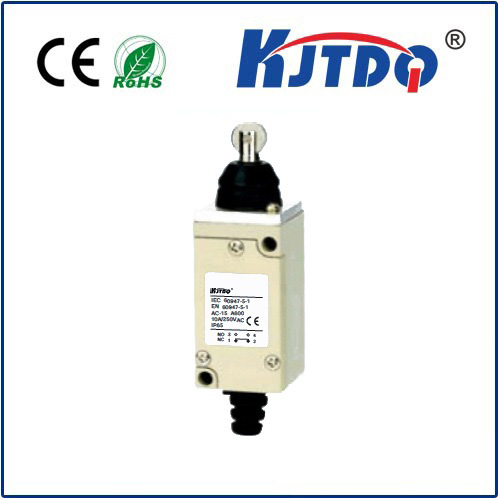
An electrical plunger switch, often referred to as a push-button switch or limit switch, operates on a simple yet effective principle. It consists of a plunger—a movable actuator—that, when depressed or released, opens or closes an electrical circuit. This action is typically spring-loaded, allowing for quick reset and consistent performance. The switch is housed in a durable casing, often made from materials like metal or high-grade plastic, to withstand harsh environments, including exposure to dust, moisture, and extreme temperatures. The internal mechanism involves contacts that make or break the circuit, ensuring precise control over electrical flow.
The versatility of electrical plunger switches makes them indispensable across various industries. In manufacturing and machinery, they serve as safety interlocks, preventing equipment from operating unless specific conditions are met. For instance, on conveyor belts or assembly lines, these switches detect the presence of objects, triggering automated processes or halting operations to avoid accidents. In the automotive sector, they are used in brake systems and door mechanisms, enhancing vehicle safety and functionality. Consumer electronics, such as home appliances and gaming controllers, also rely on miniature plunger switches for user interface control. Their ability to handle low-voltage signals or high-power loads adds to their adaptability, making them suitable for everything from delicate instrumentation to heavy-duty industrial machines.
One of the key benefits of electrical plunger switches is their durability and longevity. Designed for millions of cycles, they offer consistent performance with minimal maintenance. The tactile feedback provided by the plunger—often a distinct click—ensures users receive confirmation of activation, reducing errors in manual operations. Additionally, many models feature sealed designs that resist contaminants, making them ideal for use in outdoor or dirty settings. From a cost perspective, these switches are economical, providing reliable circuit control without significant investment. Their simplicity also translates to easy installation and integration into existing systems, saving time and resources during setup or upgrades.
When selecting an electrical plunger switch, several factors should be considered to ensure optimal performance. The operating force—the amount of pressure required to activate the plunger—varies by model and should match the application's needs to prevent accidental triggers or user fatigue. Travel distance, or how far the plunger moves, affects responsiveness and is crucial for precision tasks. Environmental ratings, such as IP (Ingress Protection) codes, indicate resistance to dust and water, guiding choices for specific conditions. Electrical specifications, including voltage, current rating, and contact type (normally open or closed), must align with the circuit requirements to avoid malfunctions or hazards. Consulting manufacturer datasheets and industry standards can help in making informed decisions.
In practice, electrical plunger switches contribute to enhanced safety and efficiency. For example, in emergency stop systems, a plunger switch can instantly cut power to machinery, preventing injuries or damage. In automated packaging lines, they ensure products are correctly positioned before sealing, reducing waste and improving throughput. Regular inspection and testing are recommended to maintain reliability, focusing on wear of the plunger or contacts and checking for environmental damage. As technology advances, innovations like smart switches with integrated sensors are emerging, offering data logging and connectivity features for Industry 4.0 applications.
In summary, the electrical plunger switch is a cornerstone of modern electrical control systems, prized for its robustness, versatility, and cost-effectiveness. Whether in industrial settings, consumer devices, or specialized equipment, it provides dependable circuit management that underpins safety and productivity. By understanding its operation and selecting the right model for specific needs, users can leverage this component to achieve reliable performance in diverse scenarios. As automation and electronics continue to evolve, the humble plunger switch remains a trusted tool, proving that sometimes the simplest solutions are the most enduring.