check

check

check

check

check

check
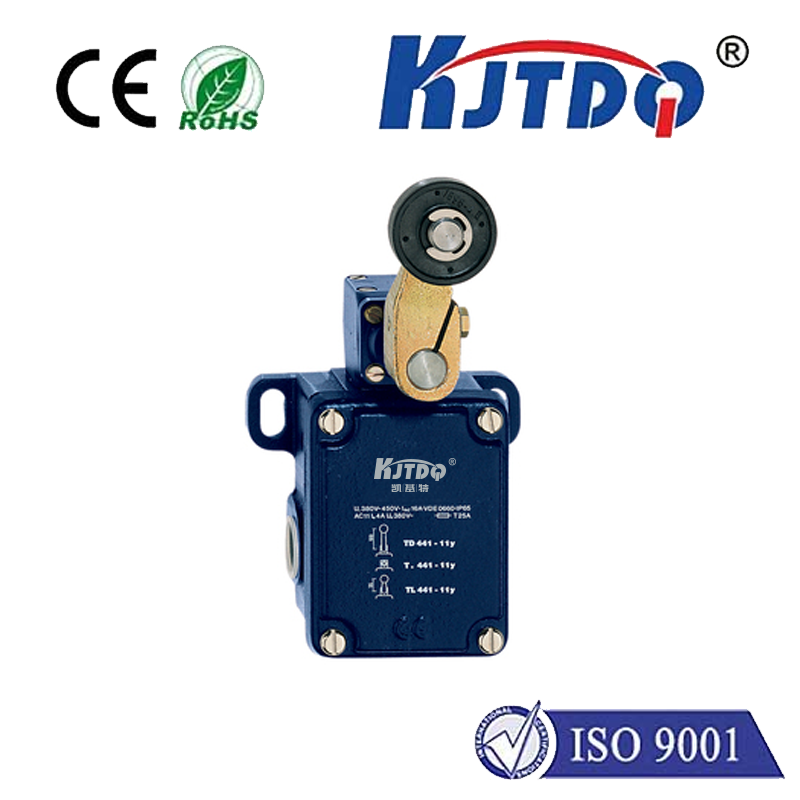
In industrial and automotive applications, electronic components often face harsh operating conditions where temperatures can soar beyond standard limits. Among these critical components, the high temperature micro switch plays a pivotal role in maintaining system integrity and safety. Designed to function reliably under elevated thermal stress, these switches are engineered with specialized materials and construction techniques that allow them to withstand environments where conventional switches would fail.
The core of a high temperature micro switch lies in its ability to perform precise electrical switching while exposed to sustained heat. Traditional micro switches typically operate within a temperature range of -20°C to 85°C, but high temperature variants are built to endure conditions from -40°C up to 200°C or higher. This extended range is achieved through the use of advanced thermosetting plastics, ceramic bases, and high-grade metal alloys for contacts and springs. These materials resist thermal expansion, oxidation, and degradation, ensuring consistent mechanical and electrical performance over time.
One of the primary applications of high temperature micro switches is in automotive systems, particularly in engine compartments and exhaust monitoring units. Here, switches must detect position, limit movement, or trigger safety mechanisms despite exposure to engine heat and vibrations. Similarly, in industrial settings such as furnaces, ovens, and heavy machinery, these switches provide reliable feedback for control systems, preventing overheating and equipment damage. Their sealed designs often incorporate ingress protection (IP ratings) to guard against dust, moisture, and chemical contaminants, further enhancing durability.
The operational principle remains similar to standard micro switches: a small actuator movement triggers a snap-action mechanism, rapidly opening or closing electrical contacts. However, in high temperature models, the internal spring mechanism is calibrated to compensate for thermal effects, maintaining precise actuation force and travel. Gold-plated or silver-nickel contacts are commonly used to reduce arcing and contact resistance, which is crucial in high-temperature scenarios where oxidation can impair conductivity.
When selecting a high temperature micro switch, engineers consider factors like temperature rating, electrical load capacity, mechanical life expectancy, and environmental seals. Certifications from standards organizations (e.g., UL, CE) indicate compliance with safety and performance benchmarks. Proper installation is also key—mounting the switch away from direct heat sources, using heat-resistant wiring, and ensuring adequate ventilation can extend its service life.
In renewable energy sectors, such as solar thermal plants, high temperature micro switches monitor fluid levels and valve positions in concentrated solar power systems. Aerospace and defense industries rely on them for avionics and propulsion controls, where failure is not an option. The evolution of these switches continues with miniaturization trends, allowing for compact designs without sacrificing thermal resilience.
Ultimately, the high temperature micro switch represents a fusion of material science and electrical engineering, delivering reliability where it matters most. By enabling precise control in extreme conditions, these components help prevent downtime, reduce maintenance costs, and enhance overall system safety. As technology advances, we can expect further innovations in switch design, pushing the boundaries of temperature tolerance and operational efficiency.