check

check

check

check

check

check
In the world of industrial lifting and material handling, precision, safety, and reliability are non-negotiable. At the heart of ensuring these critical parameters lies a seemingly small but profoundly important component: the crane limit switch. This device acts as the ultimate sentinel, preventing catastrophic over-travel and ensuring the smooth, controlled operation of cranes and hoists. For facility managers, safety officers, and maintenance engineers, understanding the function, types, and benefits of a high-quality crane limit switch is paramount to operational excellence.
A crane limit switch is an electromechanical device installed on overhead cranes, gantry cranes, hoists, and other lifting equipment. Its primary function is to automatically interrupt the power supply to the crane's motor when a moving part—such as the hook, trolley, or bridge—reaches a predetermined upper or lower limit of its travel path. This automatic cutoff prevents the load block from crashing into the drum or the trolley from colliding with the end stops, thereby avoiding equipment damage, load spillage, and, most importantly, serious personnel injuries. Think of it as an intelligent, fail-safe mechanism that enforces the physical boundaries of the crane's movement.
The operational principle is straightforward yet effective. The switch is mechanically linked to the crane's motion. As the crane moves, an actuator (like a roller, lever, or cam) on the moving part comes into contact with the switch. This physical contact triggers the switch to change its electrical state, opening or closing a control circuit. This signal is instantly relayed to the crane's control system, which then cuts off power to the drive motor in that specific direction. Modern limit switches are designed for millions of operational cycles, offering durability in harsh industrial environments characterized by dust, moisture, vibration, and extreme temperatures.
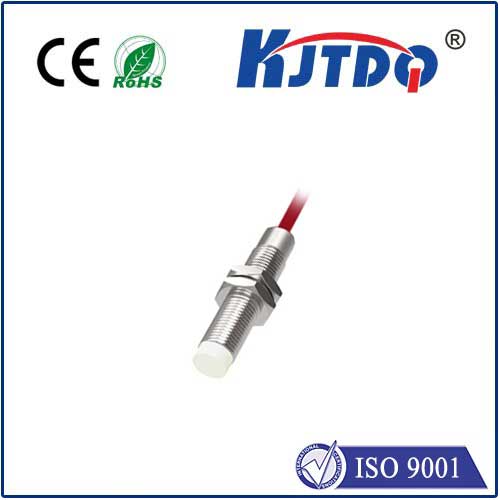
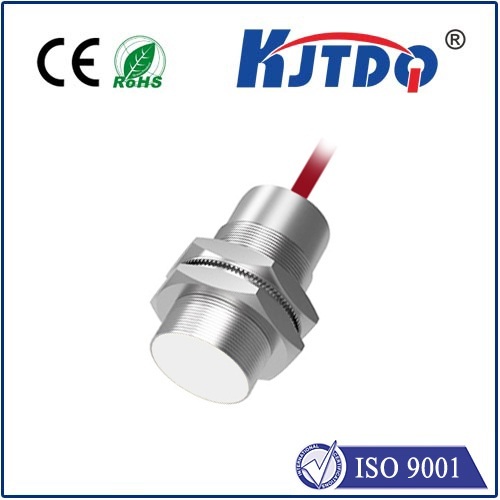
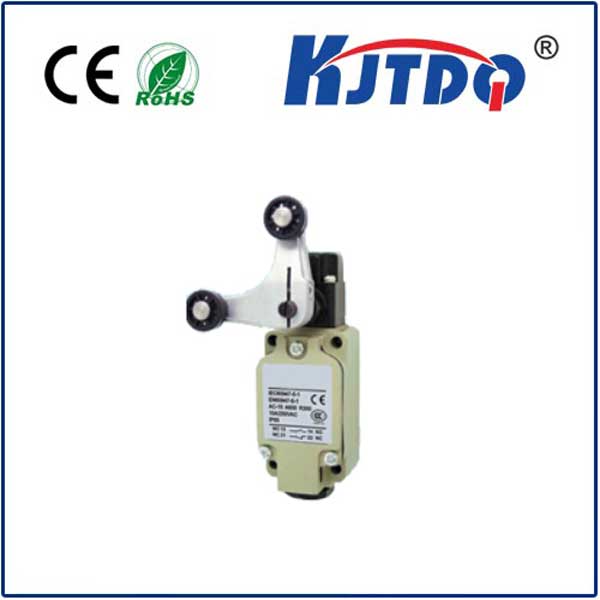
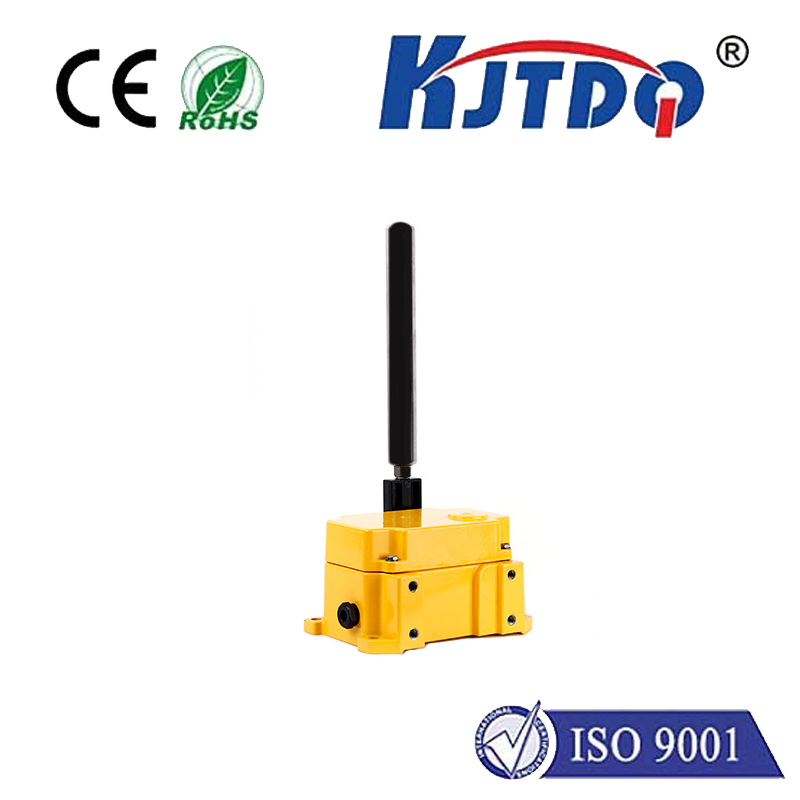
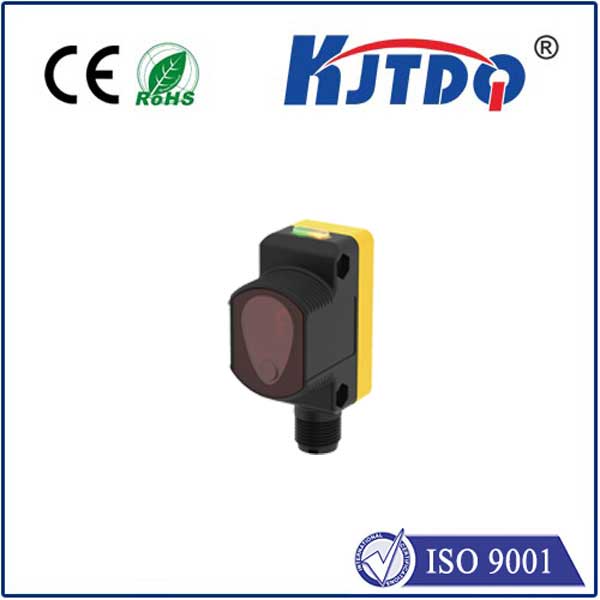
Several types of limit switches are employed in crane applications, each suited for specific functions. Rotary limit switches, often used for main hoist upper and lower limits, are driven by a cable or chain connected to the hoisting drum. They provide highly accurate positioning based on rope or chain travel. Lever-arm limit switches are commonly used for trolley and bridge travel limits, where physical contact with a stationary actuator at the runway ends triggers the switch. Furthermore, proximity sensors, a non-contact variant, are gaining popularity for their wear-free operation, using magnetic or inductive fields to detect position.
The benefits of integrating robust crane limit switches extend far beyond basic compliance with safety regulations like OSHA or ISO standards. Firstly, they are the cornerstone of accident prevention, creating a critical layer of protection for ground personnel and operators. Secondly, they protect the crane's structural integrity and mechanical components from the stresses of over-travel and collisions, significantly reducing downtime and costly repairs. Thirdly, by ensuring precise stopping points, they enhance operational efficiency and load positioning accuracy, contributing to smoother workflow and material handling. A reliable limit switch system also minimizes the risk of load swing and uncontrolled movements, leading to a more stable and predictable lifting process.
Selecting the right crane limit switch requires careful consideration. Key factors include the crane's duty cycle (the intensity of use), the required switching accuracy, the environmental conditions (presence of chemicals, explosive atmospheres, or seawater), and the mechanical configuration of the crane. It is crucial to choose switches with appropriate ingress protection (IP) ratings for dust and water resistance and robust construction from manufacturers with a proven track record in industrial safety components. Regular inspection and maintenance are equally vital. Contacts can wear out, actuators can become misaligned, and linkages can loosen. A proactive maintenance schedule that includes testing the limit switch functionality before each shift or as per the manufacturer's guidelines ensures this guardian remains ever-vigilant.
In conclusion, the crane limit switch is not merely an accessory; it is an indispensable safety and control device that safeguards lives, protects capital assets, and ensures the continuity of industrial operations. Investing in high-quality limit switches and maintaining them diligently is a direct investment in workplace safety, operational reliability, and long-term profitability. For any operation relying on cranes, prioritizing this critical component is a fundamental step towards achieving a culture of safety and efficiency.