check

check

check

check

check

check
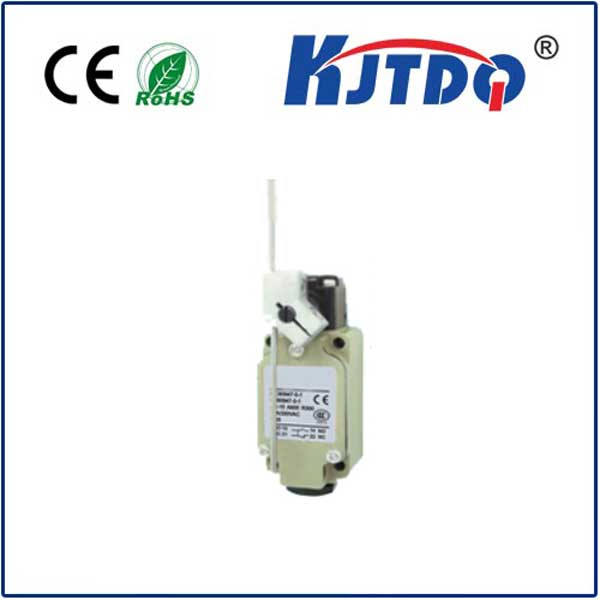
In the world of industrial automation, precision and reliability are paramount. The push limit switch, often referred to as a push-button limit switch or simply a limit switch, plays a crucial role in ensuring that machinery operates within safe and defined parameters. This compact yet powerful device is designed to detect the presence or position of an object, triggering an electrical circuit when a specific limit is reached. By doing so, it helps prevent equipment damage, enhances operational efficiency, and safeguards personnel from potential hazards.
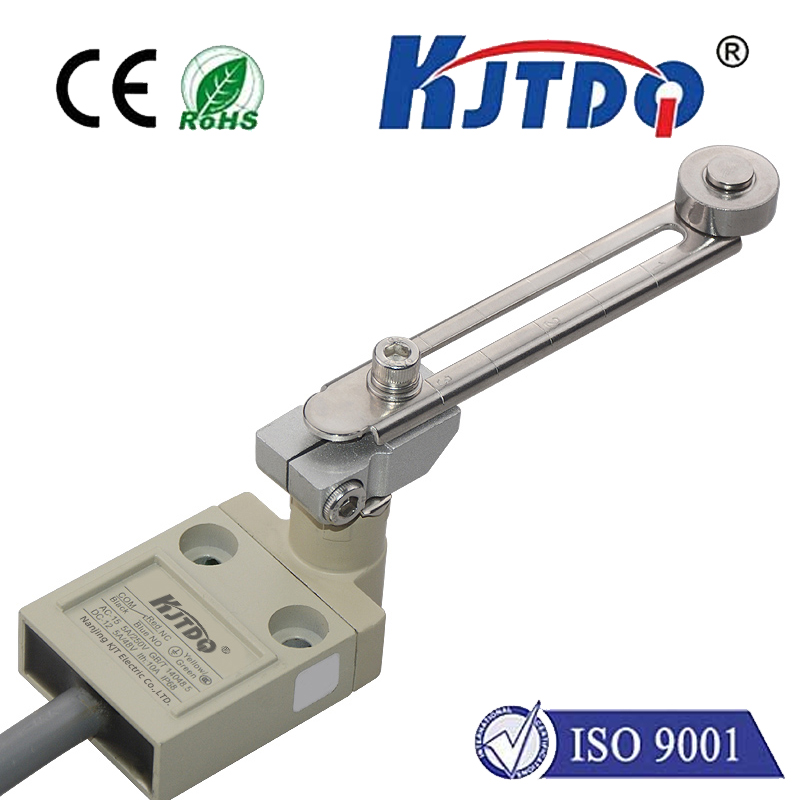
The push limit switch operates on a straightforward mechanical principle. When an external force, such as a moving part or operator input, presses against the actuator—typically a plunger or lever—the switch changes state. This action can either open or close an electrical connection, sending a signal to a control system like a programmable logic controller (PLC). For instance, in conveyor belt systems, push limit switches are installed at critical points to halt the belt if an object is misaligned or if it reaches the end of the line. Similarly, in robotic arms, these switches ensure that movements are confined to safe zones, avoiding collisions or over-extension.
One of the key advantages of the push limit switch is its versatility. Available in various configurations, including normally open (NO) and normally closed (NC) contacts, it can be tailored to specific applications. Environmental factors are also considered in design, with options featuring robust housings made from materials like stainless steel or thermoplastic to withstand harsh conditions such as moisture, dust, and extreme temperatures. This durability makes push limit switches ideal for industries ranging from manufacturing and packaging to automotive and aerospace, where consistent performance under stress is non-negotiable.
Installation and maintenance of push limit switches are relatively simple, contributing to their widespread adoption. Proper mounting is essential to ensure accurate detection; switches must be aligned correctly with the moving parts they monitor. Regular inspections for wear and tear, such as checking the actuator for damage or testing electrical continuity, can prevent unexpected downtime. Many modern push limit switches also incorporate LED indicators for visual feedback, allowing operators to quickly diagnose issues without complex tools.
Beyond basic functionality, advancements in push limit switch technology have led to enhanced features. Some models now include adjustable actuation points, enabling fine-tuning for different operational thresholds. Others integrate with wireless systems for remote monitoring, aligning with the trend toward Industry 4.0 and smart factories. By providing real-time data on machine status, these switches contribute to predictive maintenance strategies, reducing costs and improving overall productivity.
In safety-critical applications, push limit switches are often part of interlock systems. For example, in machinery guards, they ensure that access doors are securely closed before operation begins, preventing accidental exposure to moving parts. Compliance with international standards, such as ISO 13849 for safety-related parts of control systems, underscores their importance in risk mitigation. When selecting a push limit switch, factors like actuation force, travel distance, and electrical rating must be matched to the application’s requirements to achieve optimal performance.
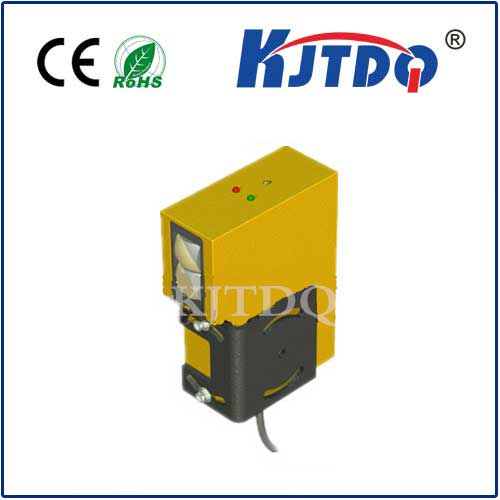
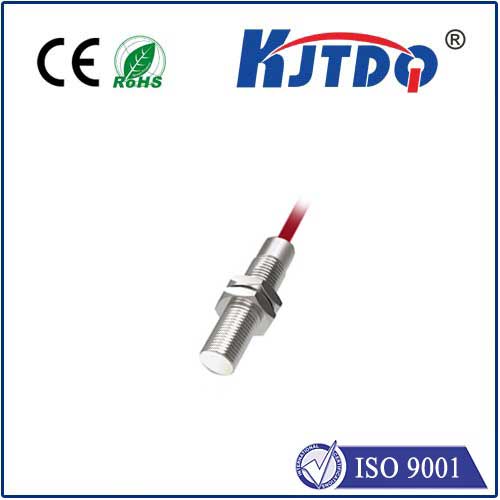
Despite the rise of non-contact sensors like proximity switches or photoelectric sensors, push limit switches remain a preferred choice in many scenarios due to their simplicity, cost-effectiveness, and direct mechanical feedback. They offer a tangible, reliable solution for position detection where physical contact is acceptable or even desirable. As industries continue to evolve toward greater automation, the push limit switch will likely adapt, integrating with digital networks while retaining its core mechanical integrity.
Ultimately, the push limit switch is more than just a component; it is a guardian of industrial processes. By setting precise boundaries, it enables machines to operate smoothly and safely, minimizing errors and maximizing output. Whether in a small workshop or a large-scale production facility, its role in maintaining control cannot be overstated. For engineers and operators, understanding its function and proper use is key to leveraging its full potential in driving innovation and safety.