check

check

check

check

check

check
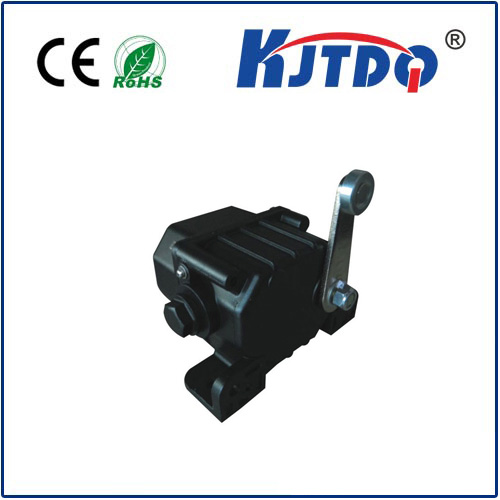
In the world of industrial lifting and material handling, safety is not just a priority; it is the absolute foundation of every operation. Among the myriad of safety devices engineered to protect personnel, equipment, and loads, the over hoist limit switch stands as a critical guardian. This specialized switch is a fundamental component installed on cranes, hoists, and elevators, designed to prevent the catastrophic consequences of over-hoisting—a situation where the lifting hook or block is raised beyond its safe upper travel limit.
The primary function of an over hoist limit switch is to automatically interrupt the hoisting mechanism's power supply when the lifting appliance reaches a predetermined maximum height. This intervention is crucial. Without it, the hoist block could collide with the drum or the crane's structure, leading to severe damage. In extreme cases, it could cause the cable to snap, resulting in a dropped load—a scenario that poses an immense danger to anyone below and can cause significant property damage. The switch acts as the last line of automated defense, a fail-safe that operates independently of the crane operator's actions.
These switches are typically electromechanical devices, though modern systems increasingly utilize non-contact proximity sensors or rotary encoders for higher precision and durability. The traditional mechanical limit switch is often cam-operated. A cam is attached to a moving part of the hoist, such as the drum shaft or the rope reel. As the hoist ascends, the cam rotates. Upon reaching the set upper limit, the cam physically actuates the switch lever, changing its internal electrical state from normally open (NO) to closed (NC), or vice-versa, thereby sending a signal to the motor control circuit to cut power to the hoist motor. Some advanced systems provide a two-stage warning: a first "slow-down" limit that reduces hoisting speed, followed by a final "cut-off" limit that stops motion entirely.
Regular inspection, testing, and maintenance of the over hoist limit switch are non-negotiable for compliance with safety standards like OSHA (Occupational Safety and Health Administration) in the United States, ANSI/ASME B30 standards, and various international regulations. A switch that is dirty, corroded, misaligned, or mechanically worn may fail to operate when needed most. Maintenance checks should include verifying the switch's physical alignment, ensuring the actuating mechanism moves freely, testing its electrical function, and confirming that the stopping point is accurately set. It is a common and dangerous practice to bypass or "jump out" a limit switch for operational convenience; this completely negates its safety purpose and is a serious violation of safety protocols.
The consequences of a malfunctioning or absent over hoist limit switch are severe. Beyond the immediate risks of mechanical failure and load drops, companies face substantial financial liabilities from equipment repair costs, production downtime, and regulatory fines. Most importantly, they risk the lives and well-being of their workforce. Investing in a reliable, well-maintained limit switch system is an investment in operational integrity and human safety.
When selecting an over hoist limit switch for a new installation or replacement, factors such as the operating environment (presence of dust, moisture, extreme temperatures), the required switching frequency, the precision needed, and compatibility with the existing control system must be considered. Consulting with qualified engineers and adhering to the original equipment manufacturer's specifications is essential.
In conclusion, the over hoist limit switch is far more than a simple electrical component. It is an indispensable safety sentinel in lifting operations. Its silent, automatic operation provides a vital layer of protection that safeguards both physical assets and human lives. Ensuring its proper selection, installation, and upkeep is a fundamental responsibility for any organization involved in material handling, reinforcing a culture where safety is seamlessly integrated into every lift.