check

check

check

check

check

check
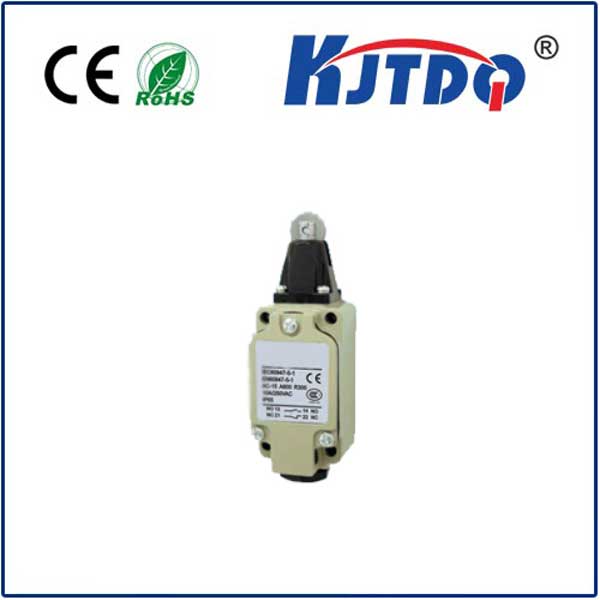
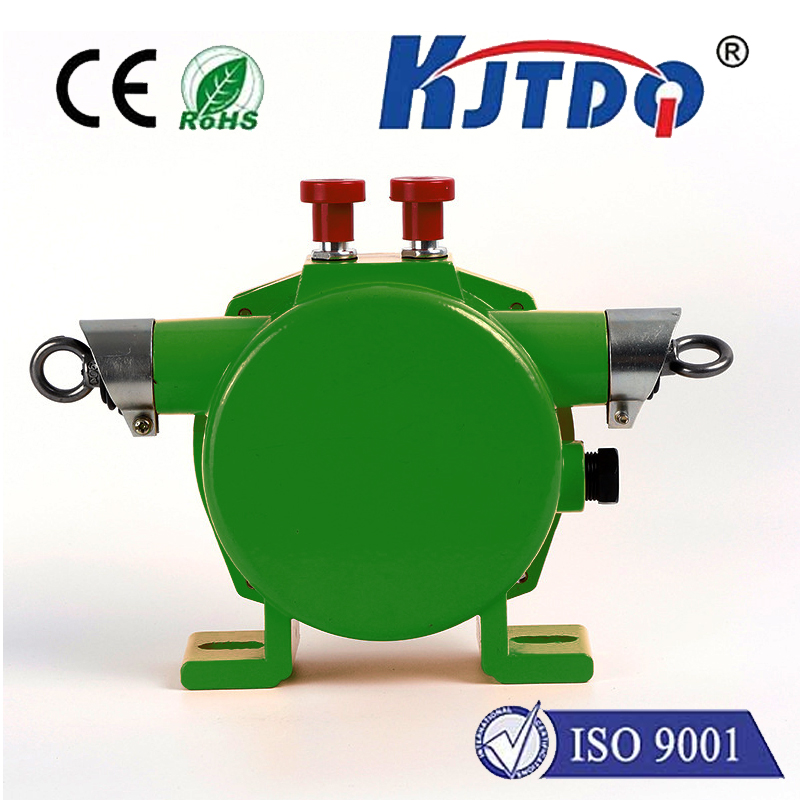
In industrial and construction settings, winches play a critical role in lifting, pulling, and positioning heavy loads. However, without proper safety mechanisms, winch operations can pose significant risks, including equipment damage, operational failures, and even workplace accidents. This is where the winch limit switch becomes indispensable. A winch limit switch is a safety device designed to automatically stop or reverse winch movement when it reaches predetermined upper or lower limits. By preventing over-travel, it safeguards both machinery and personnel, ensuring smooth and controlled hoisting processes.
The core function of a winch limit switch is to monitor the winch drum’s rotation or cable length. When the winch approaches its maximum or minimum safe range, the switch triggers an electrical signal to cut power or activate a brake, halting further movement. This not only prevents cable over-spooling or slack but also reduces wear on mechanical components, extending the winch’s lifespan. Modern limit switches often incorporate advanced features like adjustable settings, durable enclosures for harsh environments, and compatibility with automated control systems. For instance, in marine applications, winch limit switches help secure anchors and cranes, while in manufacturing, they ensure precise material handling.
Implementing a winch limit switch involves careful consideration of factors such as load capacity, environmental conditions, and integration with existing winch controls. Regular maintenance, including inspection for corrosion, alignment checks, and testing of electrical connections, is essential to maintain reliability. As industries increasingly prioritize safety standards and operational efficiency, the adoption of robust limit switches has become a best practice. By investing in quality winch limit switches, businesses can minimize downtime, comply with regulations, and foster a safer workplace. Ultimately, this small yet vital component acts as a guardian, enabling winches to perform reliably in demanding applications—from construction sites to offshore rigs—while protecting valuable assets and human lives.