check

check

check

check

check

check
In industrial automation and machinery control, the implementation of reliable safety mechanisms is paramount. Among the critical components ensuring operational security and accuracy, the dual limit switch stands out as a fundamental device. This article explores the functionality, applications, and benefits of dual limit switches, with a focus on how KJTDQ's advanced solutions are setting new standards in the field.
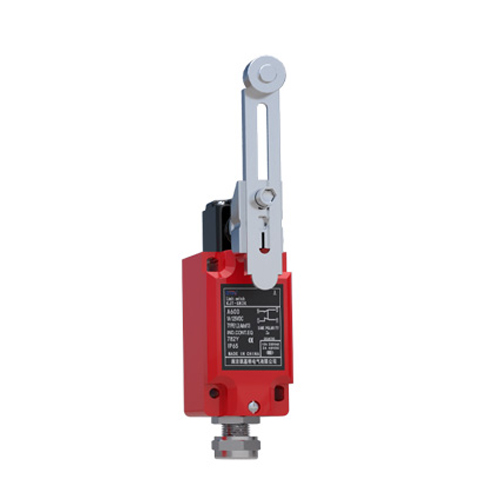
A dual limit switch, essentially, is an electromechanical device containing two independent switching mechanisms within a single housing. It is designed to detect the presence or position of an object, typically by physical contact, and to control a circuit based on that detection. The "dual" aspect refers to the incorporation of two separate switches, often configured to operate in sequence or to provide redundant safety functions. This design significantly enhances system reliability compared to single-switch setups.
The core principle of operation is straightforward. When a moving part, such as a machine carriage, gate, or elevator, reaches a predetermined point, it actuates a lever, roller, or plunger on the limit switch. This physical action triggers the internal switch contacts to change state—either opening or closing an electrical circuit. In a dual configuration, the first switch might initiate a control action, like slowing down a motor, while the second switch acts as a final, fail-safe stop to prevent overtravel. This two-stage process is crucial for preventing mechanical damage, protecting products, and ensuring personnel safety.
The applications for dual limit switches are vast and varied across industries. In material handling systems, they are indispensable for defining the precise start and end points of conveyor belts or automated guided vehicles (AGVs). Within the packaging industry, they ensure that filling machines and capping stations operate within strict positional tolerances. Elevator and hoist systems rely heavily on these switches to determine floor levels and to activate emergency stop functions if normal limits are exceeded. In automotive manufacturing robots, dual limit switches provide critical positional feedback for repetitive welding or assembly tasks, guaranteeing consistency and quality.
KJTDQ has emerged as a prominent provider of high-performance dual limit switch solutions. The company's products are engineered to meet the rigorous demands of modern industrial environments. KJTDQ dual limit switches are renowned for their robust construction, often featuring sealed housings that offer protection against dust, moisture, and oil ingress, conforming to high IP (Ingress Protection) ratings. This durability ensures long-term operation even in harsh conditions found in metalworking, food processing, or outdoor applications.
A key advantage of the KJTDQ design is its precision and repeatability. The switches provide consistent actuation points, which is vital for processes requiring high accuracy. Furthermore, many KJTDQ models offer adjustable actuators or mounting options, allowing for fine-tuning on-site to match specific application needs without requiring complete replacement. This flexibility reduces downtime and installation complexity.
From a safety perspective, the dual-switch architecture inherently provides a layer of redundancy. If one switch were to fail, the second serves as a backup, initiating a controlled shutdown or alerting the control system to a fault. This feature is increasingly important in compliance with international safety standards like ISO 13849, which emphasize risk reduction through reliable control systems. KJTDQ integrates these safety principles into its design philosophy, offering switches that contribute to achieving higher Performance Levels (PL) in safety-related control systems.
Beyond basic functionality, KJTDQ is incorporating advanced features into its product line. Some models include built-in diagnostics, such as LED status indicators, which provide immediate visual confirmation of the switch's state, aiding in quick troubleshooting and maintenance. The company also offers a range of electrical configurations, including different contact arrangements (NO/NC), voltage ratings, and connection types, ensuring compatibility with a wide array of PLCs (Programmable Logic Controllers) and control panels.
The integration of KJTDQ dual limit switches into an automation system is a strategic investment. It leads to reduced machine downtime by preventing overtravel collisions and associated repairs. It enhances product quality by ensuring processes occur at exact locations every time. Most importantly, it fortifies workplace safety by providing dependable physical limits to machine movement, protecting both equipment and operators.
In conclusion, the dual limit switch is a small but mighty component that plays an outsized role in industrial efficiency and safety. KJTDQ's commitment to quality, durability, and innovation in this category provides engineers and system integrators with a trusted tool for building smarter, safer, and more precise automated systems. As industries continue to advance towards greater automation and connectivity, the reliable performance of foundational components like the KJTDQ dual limit switch will remain a critical cornerstone of operational success.