check

check

check

check

check

check
In today's fast-paced technological landscape, efficient power management is crucial for both industrial and residential applications. The end switch, often overlooked, plays a pivotal role in ensuring safety, reliability, and energy savings. This component acts as a critical control mechanism in various systems, from HVAC units to automated machinery, by signaling the completion of an operation or triggering a shutdown sequence. Understanding its function and benefits can lead to optimized performance and reduced operational costs.
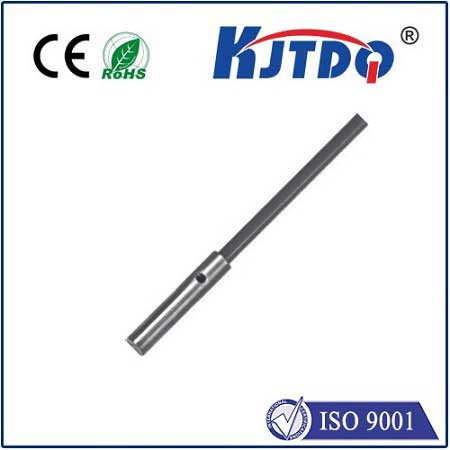
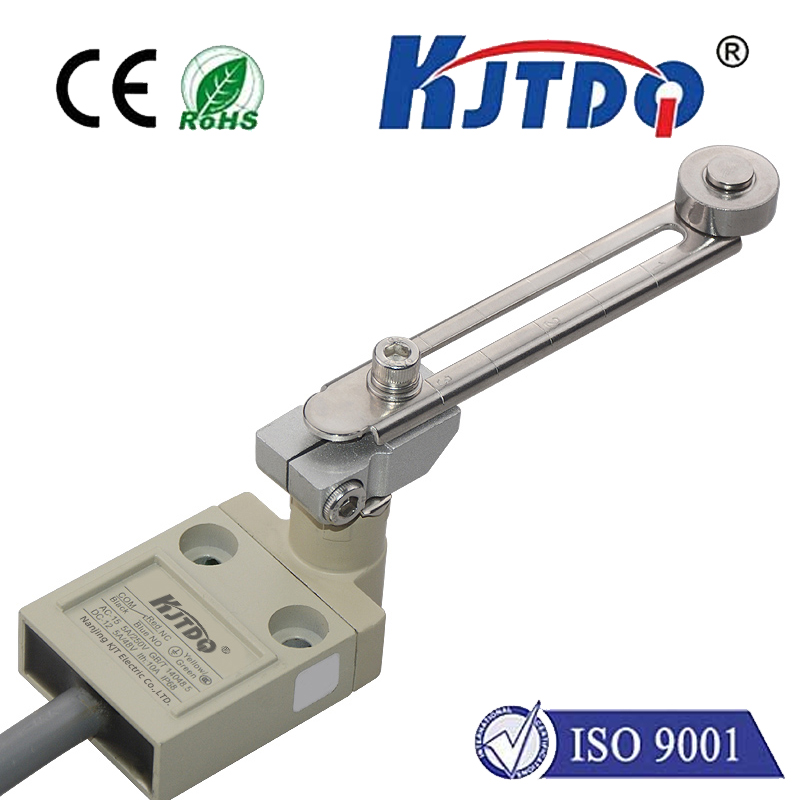
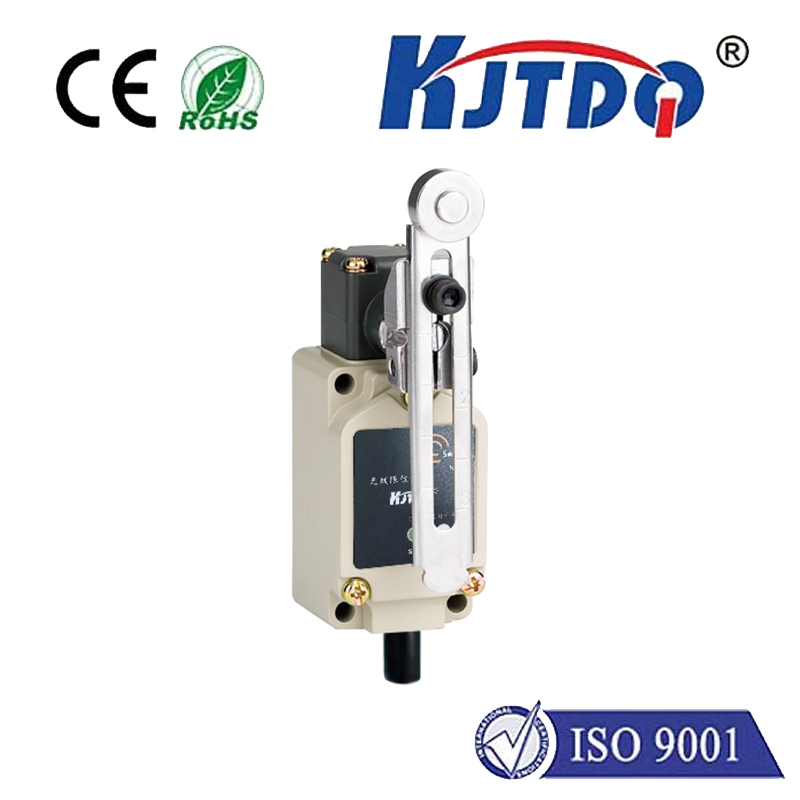
The primary purpose of an end switch is to detect the endpoint of a mechanical movement, such as the full opening or closing of a valve, door, or damper. By providing accurate feedback, it prevents over-travel, which can cause wear and tear, equipment damage, or even safety hazards. For instance, in heating, ventilation, and air conditioning (HVAC) systems, end switches ensure that dampers are correctly positioned, maintaining airflow balance and improving energy efficiency. Without this component, systems might operate inefficiently, leading to higher electricity bills and increased carbon footprints.
Moreover, end switches contribute to enhanced safety protocols. In industrial settings, they are integrated into machinery to halt operations when a limit is reached, protecting workers from accidents and preventing costly downtime. For example, in conveyor belts or robotic arms, end switches act as fail-safes, stopping motion before collisions occur. This not only safeguards personnel but also extends the lifespan of equipment by reducing mechanical stress.
When selecting an end switch, factors like durability, environmental resistance, and compatibility must be considered. Modern designs often feature rugged construction to withstand harsh conditions, including extreme temperatures, moisture, and vibrations. Additionally, advancements in technology have led to the development of smart end switches with wireless connectivity, allowing for real-time monitoring and predictive maintenance. These innovations enable users to address issues proactively, minimizing disruptions and maximizing productivity.
In renewable energy systems, such as solar panel trackers, end switches ensure precise alignment with the sun, optimizing energy capture. Similarly, in automotive applications, they are used in power windows and seats to prevent motor burnout. The versatility of end switches makes them indispensable across sectors, from manufacturing to smart home installations.
To leverage the full potential of end switches, regular inspection and maintenance are recommended. Checking for signs of corrosion, loose connections, or wear can prevent failures. Upgrading to high-quality models from reputable manufacturers also pays off in the long run, offering better accuracy and reliability. As industries move towards automation and sustainability, the demand for efficient end switches is expected to grow, driving further innovations in this field.
In conclusion, the end switch is a small yet powerful component that significantly impacts operational efficiency and safety. By incorporating it into systems, businesses and homeowners can achieve better control, reduce energy consumption, and enhance overall performance. Whether for simple household appliances or complex industrial machines, investing in reliable end switches is a step toward smarter, more sustainable practices.