check

check

check

check

check

check
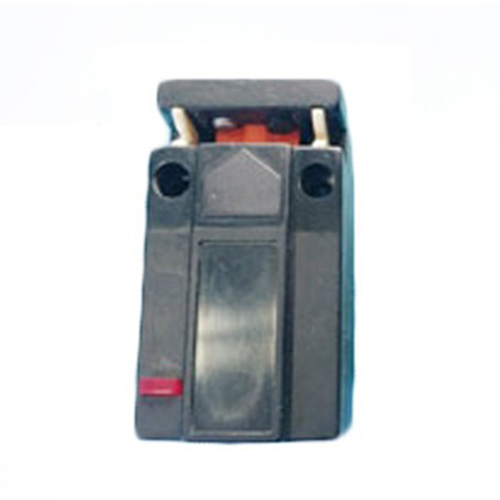
In the intricate world of industrial automation, where precision and reliability are non-negotiable, the humble limit switch stands as a critical sentinel. Among the myriad of options available, the SL1 P limit switch has carved out a reputation for robustness and dependable performance in demanding environments. This device is far more than a simple component; it is a fundamental building block for safety interlocks, positional control, and sequence management in machinery across various sectors, from manufacturing and packaging to material handling and beyond.
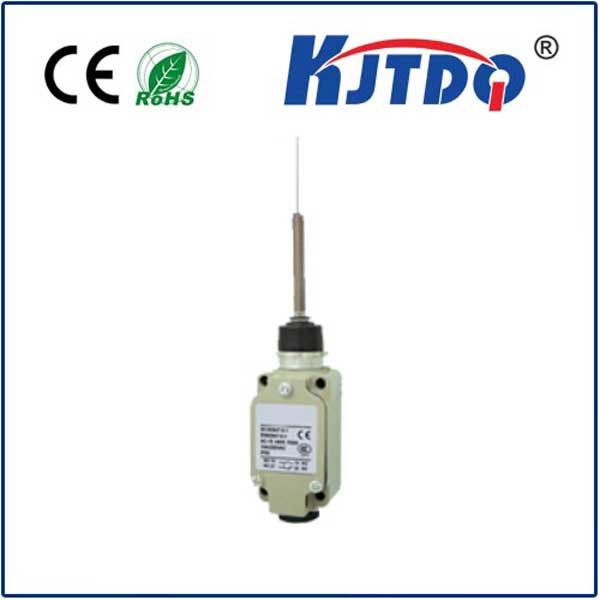
The "SL1 P" designation typically refers to a specific model series known for its compact, precision design. The "P" often denotes a plug-in or a particular configuration variant, offering ease of installation and maintenance—a crucial factor in minimizing machine downtime. These switches are engineered to detect the presence or absence of an object, or to monitor the limits of movement, sending a definitive electrical signal to the control system. This action can halt a machine, initiate a new sequence, or trigger an alarm, thereby preventing over-travel, collisions, or other potentially hazardous and costly operational failures.
What sets a high-quality limit switch like the SL1 P apart is its construction. Designed to withstand the rigors of industrial settings, it often features a durable metal or high-grade plastic housing, providing resistance against impacts, vibrations, moisture, oil, and dust. This ingress protection is vital for ensuring longevity and consistent operation in harsh conditions. The internal mechanism, whether it uses a rotary lever, plunger, or roller actuator, is built for millions of cycles of precise operation. The electrical contacts are designed for clear, reliable switching, ensuring that the control system receives an unambiguous signal every time.
The application of the SL1 P limit switch is vast and varied. On an automated assembly line, it might be used to confirm that a part is correctly positioned before a welding robot begins its operation. In a packaging machine, it could detect when a product is in place for sealing. On a conveyor system, multiple limit switches work in concert to manage the flow of materials, preventing jams and ensuring smooth transitions between zones. In each case, the switch provides a simple, effective, and failsafe method of translating physical position into actionable electronic data.
For engineers and maintenance technicians, the practical benefits of the SL1 P series are clear. Its often modular or plug-in design allows for quick replacement without the need for complex rewiring, dramatically reducing maintenance time. Clear visual indicators for switch status aid in troubleshooting. Furthermore, compatibility with various actuator arms and heads allows for customization to suit specific mechanical configurations and sensing needs, making it a versatile solution for countless applications.
Beyond basic functionality, the role of the SL1 P limit switch in safety systems cannot be overstated. It is frequently integrated as part of a safety circuit to ensure that guards are closed, doors are locked, or that a machine is in a "home" position before initiation. This direct, hard-wired safety function provides a reliable layer of protection that complements more complex programmable safety controllers, adhering to stringent international safety standards.
Selecting the right limit switch is paramount. Factors such as the required switching force, actuator type, electrical rating (voltage and current), housing material, and ingress protection (IP) rating must align with the application's specific environmental and operational demands. The SL1 P model, with its balanced design, often meets the needs of general-purpose industrial applications where precision, durability, and ease of use are key.
In conclusion, in the automated landscapes of modern industry, components like the SL1 P limit switch perform an indispensable, though often unseen, role. It is a prime example of how a well-engineered mechanical-electrical interface can deliver unwavering reliability, enhance operational safety, and protect valuable machinery. For system designers and plant managers aiming to optimize efficiency and uphold the highest safety protocols, specifying proven and reliable components such as the SL1 P limit switch is not just a technical choice—it is a foundational decision for sustainable and secure production.