check

check

check

check

check

check
In the world of material handling and heavy lifting, crane safety is paramount. Among the various safety mechanisms employed, the Anti Two Block (ATB) limit switch stands as a critical guardian against one of the most hazardous operational failures. This device is engineered to prevent the catastrophic event known as "two-blocking," where the crane's hook block or load is raised into direct contact with the boom tip or sheave. Such an incident can lead to severe damage to the crane structure, snapping of the load line, dropped loads, and poses an extreme risk to personnel on site.
The principle behind the Anti Two Block limit switch is both elegant and robust. Typically, the system consists of a sensor or switch mounted on the boom tip and a trigger or weight attached to the hoist line, often near the hook block. As the hook block ascends during a lift operation, the distance between it and the boom tip decreases. The ATB system continuously monitors this gap. When the distance reaches a pre-set minimum safety limit, the switch is activated. This activation sends an immediate signal to the crane's control system, which automatically halts further upward movement of the hoist line. This failsafe action prevents physical contact, effectively eliminating the risk of two-blocking.
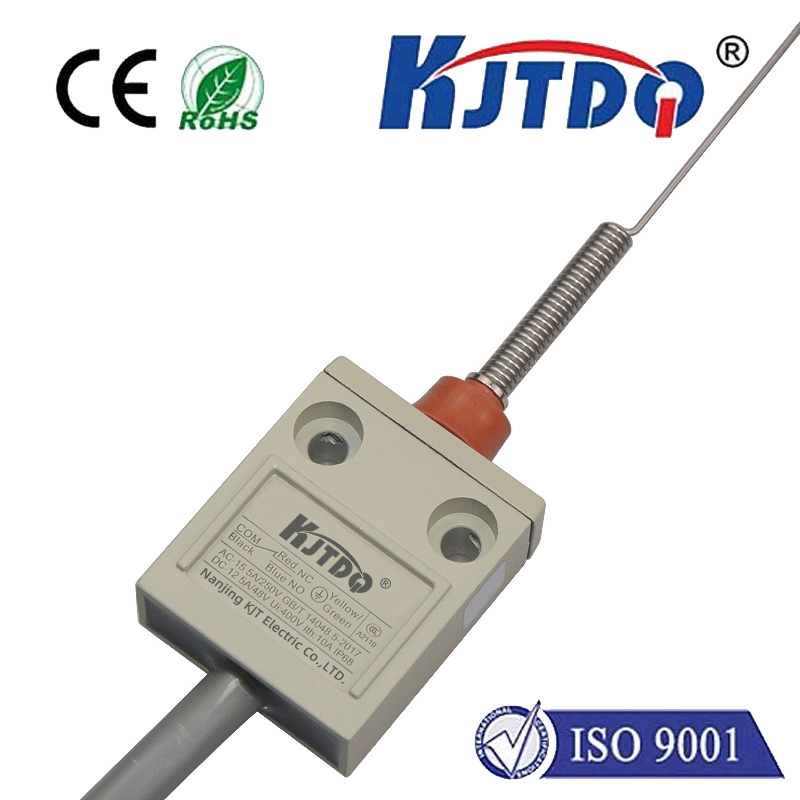
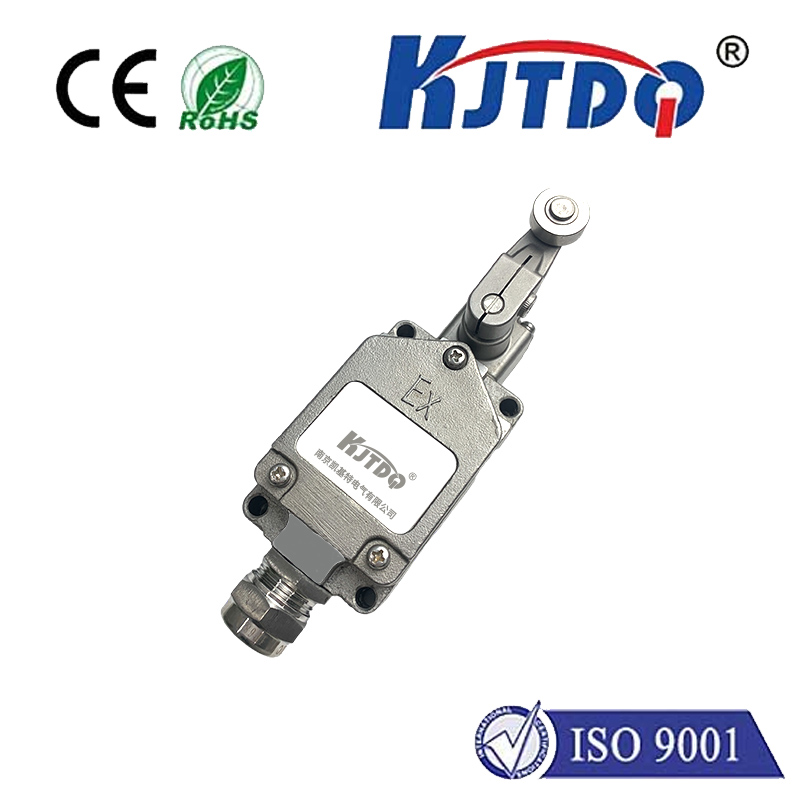
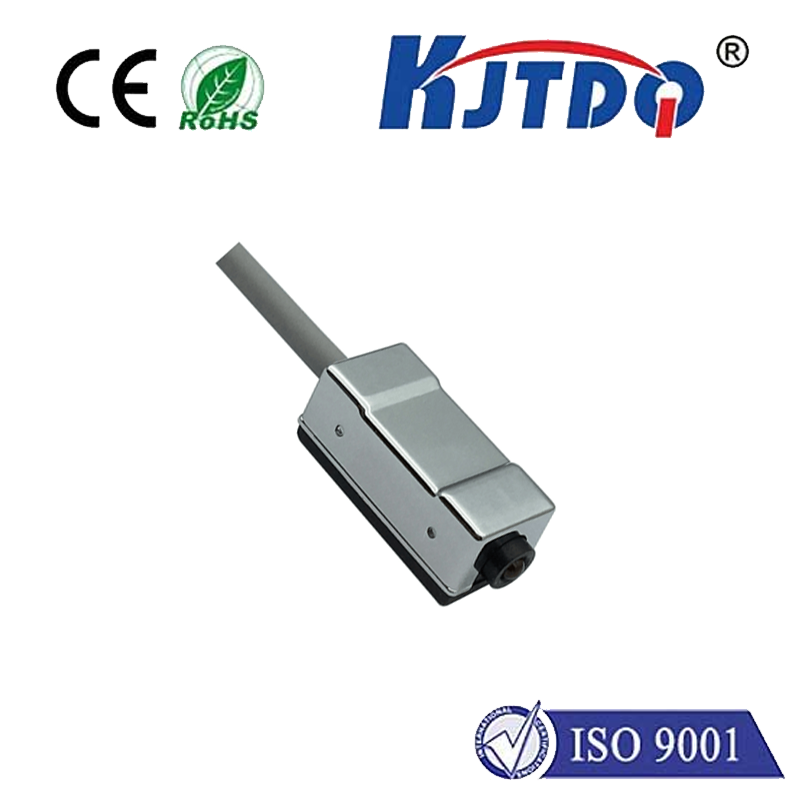
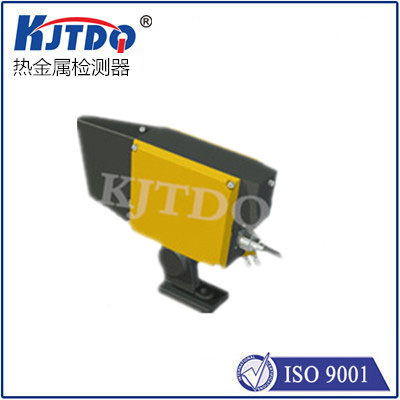
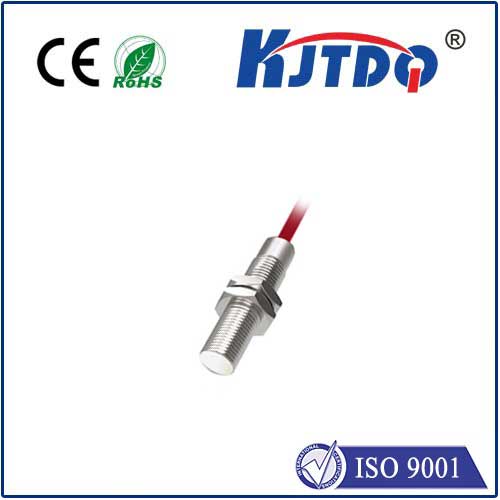
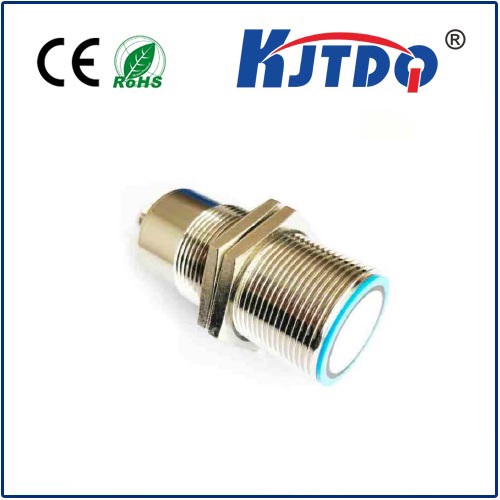
Modern Anti Two Block limit switches, such as those represented by KJTDQ, incorporate advanced technologies for enhanced reliability. These systems may utilize durable mechanical switches, robust rope-operated systems, or even non-contact sensors like ultrasonic or magnetic proximity sensors. The choice often depends on the crane type, operating environment, and specific regulatory requirements. For instance, cranes operating in harsh conditions like offshore platforms or construction sites require ATB switches with high ingress protection (IP) ratings to withstand dust, moisture, and extreme temperatures.
The importance of a properly functioning ATB system cannot be overstated. Regulatory bodies worldwide, including OSHA in the United States, mandate the use of functional anti-two block devices on most types of cranes. Compliance is not merely a legal formality; it is a core component of a site's safety culture. Regular inspection, testing, and maintenance of the Anti Two Block limit switch are as crucial as the installation itself. Operators must perform daily functional checks, and maintenance teams should schedule periodic calibrations to ensure the sensor's accuracy and the system's overall responsiveness.
Beyond preventing accidents, a reliable KJTDQ Anti Two Block limit switch contributes significantly to operational efficiency and cost management. By averting collisions, it prevents expensive downtime associated with crane repairs. It protects the crane's structural integrity and critical components like wire ropes and sheaves from undue wear and catastrophic failure, thereby extending the equipment's service life and reducing long-term maintenance costs. Furthermore, it safeguards the load, preventing damage to valuable cargo, and most importantly, it creates a safer working environment, boosting operator confidence and site-wide productivity.
When selecting an Anti Two Block system, key considerations include compatibility with the crane model, the required sensing range, the durability of components, and ease of installation and maintenance. It is advisable to choose products from reputable manufacturers who provide clear documentation, technical support, and whose devices meet or exceed international safety standards. Integration with the crane's existing programmable logic controller (PLC) or safety relay system should be seamless.
In conclusion, the Anti Two Block limit switch is a non-negotiable safety sentinel in crane operations. Its role in preventing a specific but highly dangerous failure mode is indispensable. For companies operating cranes, investing in a high-quality, reliable system like the KJTDQ Anti Two Block limit switch is an investment in safety, regulatory compliance, asset protection, and operational continuity. Ensuring this system is always in optimal working condition is a fundamental responsibility for everyone involved in lifting operations.