check

check

check

check

check

check
In the fast-paced world of industrial automation, precision and reliability are non-negotiable. Every component in a system must perform flawlessly to ensure seamless operations, minimize downtime, and maximize productivity. Among these critical components, the limit switch stands as a fundamental device for controlling machinery and ensuring safety. When it comes to high-performance limit switches, the Parker limit switch emerges as a top-tier solution, trusted by engineers and maintenance professionals across various industries. This guide delves into the features, applications, and benefits of Parker limit switches, highlighting why they are a preferred choice for demanding environments.
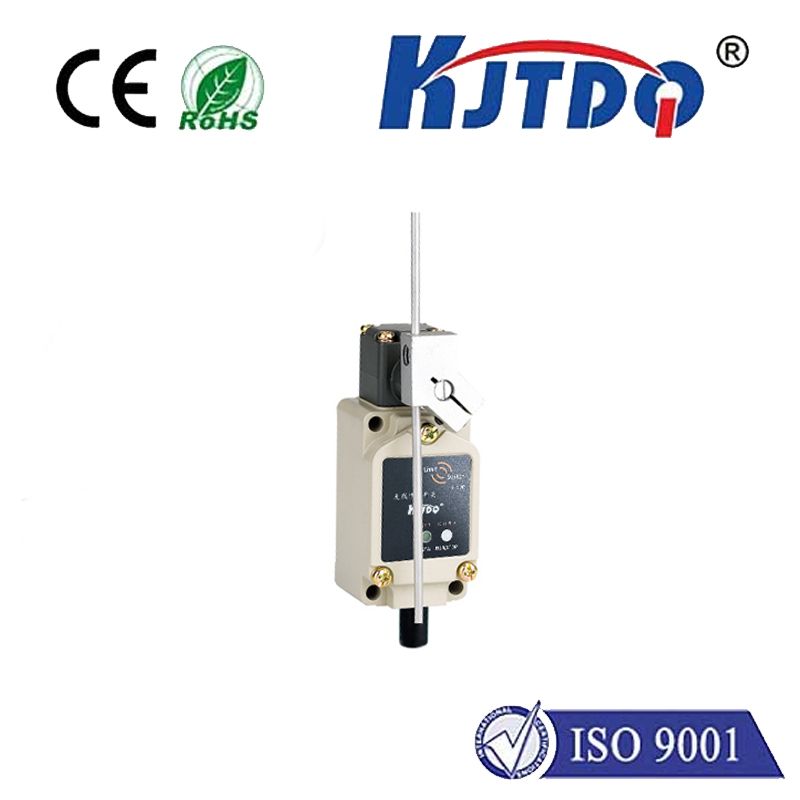
Parker limit switches are designed to detect the presence or absence of an object, or to monitor the position of a machine part, and then send an electrical signal to control a circuit. These switches are built to withstand harsh industrial conditions, including extreme temperatures, moisture, dust, and vibrations. The robust construction typically involves durable materials such as stainless steel or high-grade plastics, ensuring longevity even in corrosive or abrasive settings. One key aspect of Parker's design philosophy is modularity; many models offer customizable actuators, heads, and bodies, allowing for easy integration into existing systems without extensive modifications. This flexibility reduces installation time and costs, making them an economical choice for both new installations and retrofits.
The applications of Parker limit switches are vast and varied. In manufacturing plants, they are commonly used on conveyor belts to detect product positioning, in robotic arms to define movement limits, and in packaging machinery to ensure proper alignment. In the automotive industry, these switches play a crucial role in assembly lines, controlling the motion of lifts, presses, and welding equipment. They are also integral to material handling systems, such as cranes and hoists, where they prevent over-travel and potential accidents. Beyond industrial settings, Parker limit switches find use in renewable energy sectors, like wind turbines, to monitor blade pitch, and in aerospace for landing gear positioning. Their versatility stems from a wide range of actuation types—including lever, roller, plunger, and whisker styles—each suited to specific operational needs.
What sets Parker limit switches apart is their unwavering reliability. Engineered with precision contacts and sealed mechanisms, they deliver consistent performance over millions of cycles. This durability translates to reduced maintenance requirements and lower total cost of ownership. For instance, in high-cycle applications like stamping machines, where switches are activated thousands of times per hour, Parker models demonstrate minimal wear and tear, ensuring continuous operation without frequent replacements. Additionally, many Parker limit switches feature IP67 or higher ingress protection ratings, meaning they are dust-tight and can withstand temporary immersion in water. This makes them ideal for washdown environments in food processing or pharmaceutical industries, where hygiene standards are stringent.
Safety is another paramount consideration, and Parker limit switches contribute significantly to machine safeguarding. By accurately detecting limits, they help prevent equipment damage and protect personnel from hazards. For example, in press brakes, these switches ensure the ram stops at a safe height, while in automated doors, they control opening and closing sequences to avoid collisions. Parker also offers options with positive-opening contacts, which are designed to fail in a safe mode, further enhancing system security. Compliance with international standards, such as ISO 13849 for safety-related parts, underscores their commitment to quality and reliability.
Choosing the right limit switch involves evaluating factors like operating environment, electrical requirements, and mechanical specifications. Parker provides comprehensive technical support and documentation to assist in selection, ensuring users find the optimal match for their applications. With a global network of distributors and service centers, sourcing and maintaining these switches is convenient, minimizing supply chain disruptions.
In summary, Parker limit switches represent a blend of innovation, durability, and adaptability. They empower industries to achieve higher efficiency, safety, and cost-effectiveness in automated processes. Whether in heavy manufacturing, clean rooms, or outdoor installations, these switches deliver the precision control needed to keep operations running smoothly. As automation continues to evolve, Parker remains at the forefront, offering solutions that meet the ever-increasing demands of modern industry.