check

check

check

check

check

check
In the world of industrial automation and machinery control, precision and safety are paramount. Among the many components that ensure these standards are met, the limit sensor stands out as a fundamental device. Often referred to as a limit switch or proximity sensor, it plays a critical role in detecting the presence or absence of an object, monitoring position, and preventing over-travel in mechanical systems. This article delves into the core aspects of limit sensors, exploring their various types, widespread applications, and key factors to consider when selecting the right one for a specific task.
At its essence, a limit sensor is an electromechanical device designed to detect the physical presence, position, or limit of motion of an object. It typically consists of an actuator mechanically linked to a set of electrical contacts. When an object comes into contact with the actuator, it triggers the internal mechanism to open or close the electrical circuit. This simple action sends a signal to a control system, such as a programmable logic controller (PLC), which can then initiate, halt, or modify a machine's operation. The primary function is to provide a reliable and discrete on/off signal based on a physical event.
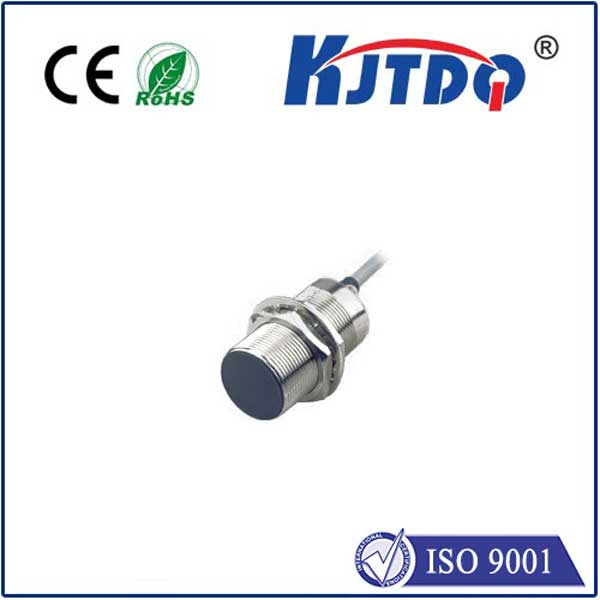
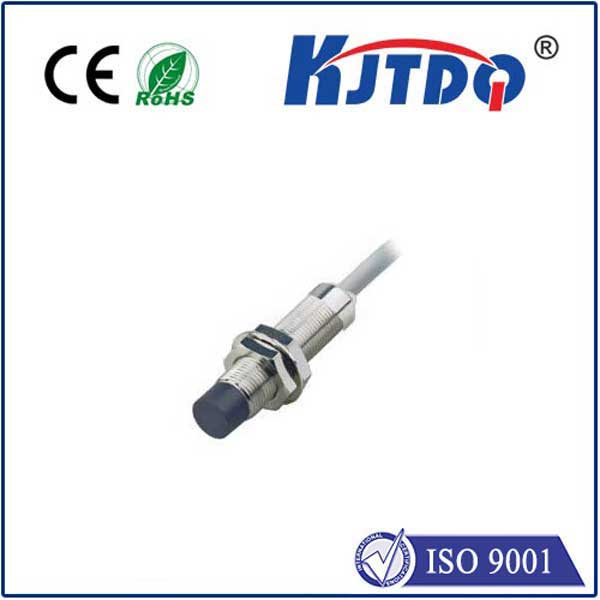
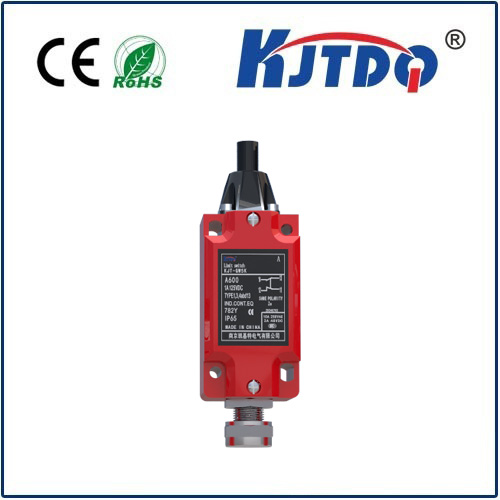
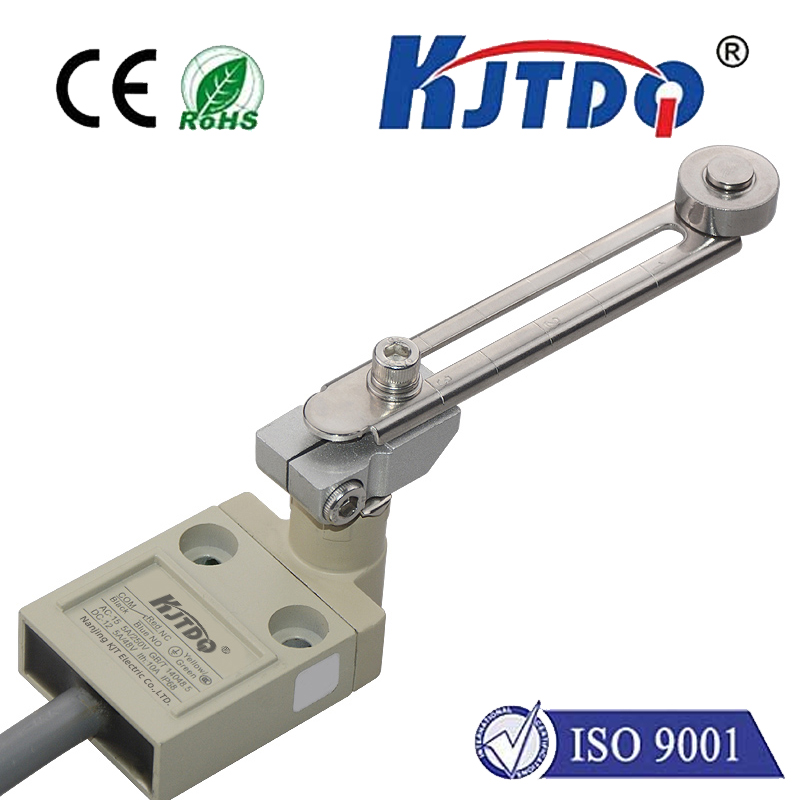
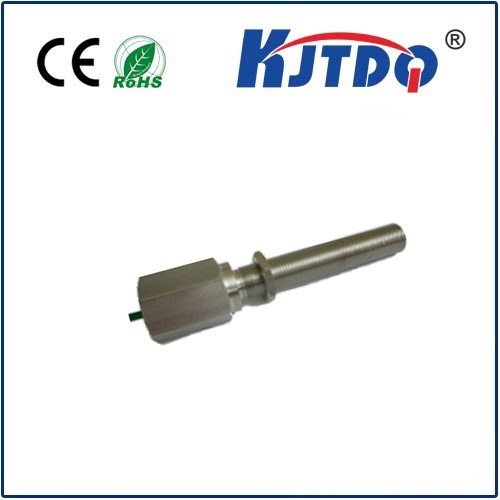
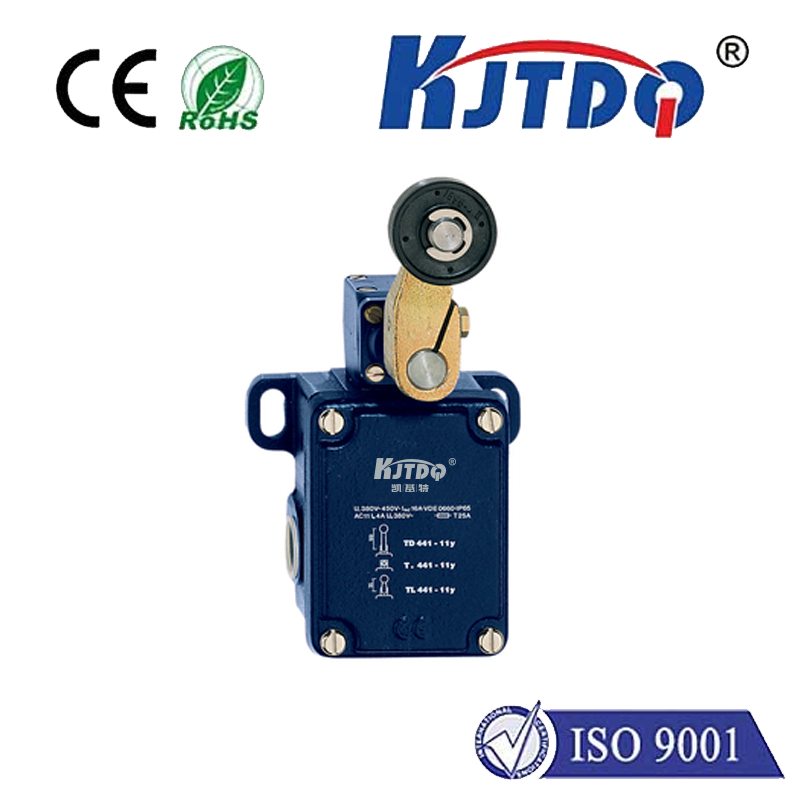
There are several common types of limit sensors, each suited to different environments and detection needs. Mechanical limit switches are the traditional and most recognizable type. They feature a physical actuator arm, lever, or plunger that must be physically depressed or moved by the target object. These are known for their robustness, simplicity, and ability to handle high currents directly. However, their mechanical nature means they are subject to wear and tear over time. Inductive proximity sensors, on the other hand, are non-contact devices. They generate an electromagnetic field and detect the presence of conductive metal objects without physical contact. This makes them ideal for harsh environments with dust, oil, or where fast, repetitive operation is required. Capacitive sensors are similar but can detect both metallic and non-metallic materials (like plastic, wood, or liquids) by sensing changes in capacitance. Optical sensors, including through-beam and reflective types, use light beams to detect objects and are excellent for long-range detection or sensing small items. Finally, magnetic sensors, often called reed switches, are activated by the presence of a magnetic field and are frequently used in safety door monitoring.
The applications of limit sensors span virtually every industry that utilizes automated machinery. In manufacturing and assembly lines, they are used for part counting, verifying part placement, and ensuring robotic arms operate within their safe working envelopes. In material handling and packaging, sensors control conveyor belt stops, detect jams, and confirm package positioning. The automotive industry relies on them for precise positioning in welding robots and paint shops. In elevator systems, limit sensors are crucial for floor leveling and preventing the cab from over-traveling at the top or bottom of the shaft. They are also integral to safety systems, acting as interlocks on machine guards to ensure operators cannot access hazardous areas while equipment is running.
Selecting the appropriate limit sensor requires careful consideration of several factors to ensure reliability and longevity. The operating environment is a primary concern. Will the sensor be exposed to extreme temperatures, moisture, chemicals, or heavy vibration? For wet or corrosive areas, sensors with high IP (Ingress Protection) ratings, such as IP67, are necessary. The nature of the target object is also critical—its material (metal, plastic, etc.), size, and the required sensing distance. The required output type must match the control system; common outputs include NPN/PNP transistor outputs for PLCs or simple relay contacts. Response speed and switching frequency are vital for high-speed applications. Finally, mechanical considerations like the actuator type (roller lever, plunger, etc.) and mounting configuration must align with the physical layout of the machine.
Proper installation and maintenance are key to maximizing a limit sensor's service life. Sensors should be mounted securely to minimize vibration and aligned correctly with the target object to ensure consistent actuation. For mechanical switches, periodic inspection for wear on the actuator mechanism and electrical contacts is recommended. For non-contact sensors, keeping the sensing face clean from debris, oil, or dust buildup is essential to prevent false triggering or failure. Understanding the sensor's datasheet specifications, including its rated voltage, current, and temperature range, is crucial for avoiding premature failure.
In conclusion, the humble limit sensor is a cornerstone of modern industrial automation. Its ability to provide a simple, reliable signal based on a physical event makes it indispensable for control, sequencing, and safety. From the robust mechanical switch on a factory press to the sophisticated inductive sensor on a high-speed bottling line, choosing and applying the right sensor type directly impacts system efficiency, product quality, and operator safety. As technology advances, these devices continue to evolve, offering greater precision, durability, and integration capabilities for the smart factories of tomorrow.