check

check

check

check

check

check
In the fast-paced world of industrial automation, safety and precision are non-negotiable. The emergency limit switch, often abbreviated as ELS, stands as a critical component in safeguarding machinery and personnel from potential hazards. This device acts as a fail-safe mechanism, designed to halt operations immediately when predefined limits are exceeded, thereby preventing accidents, equipment damage, and costly downtime.
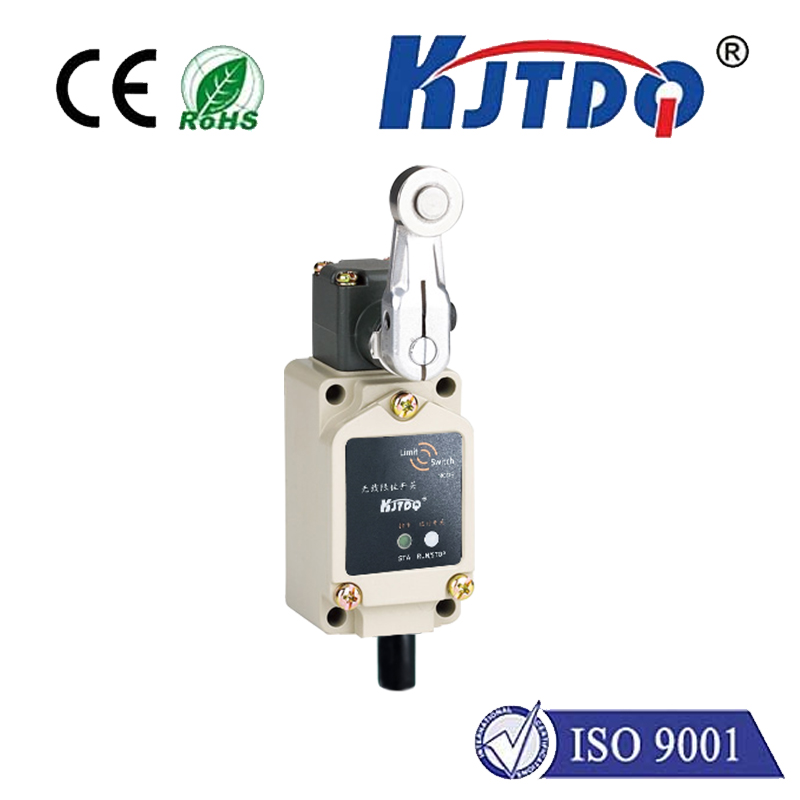
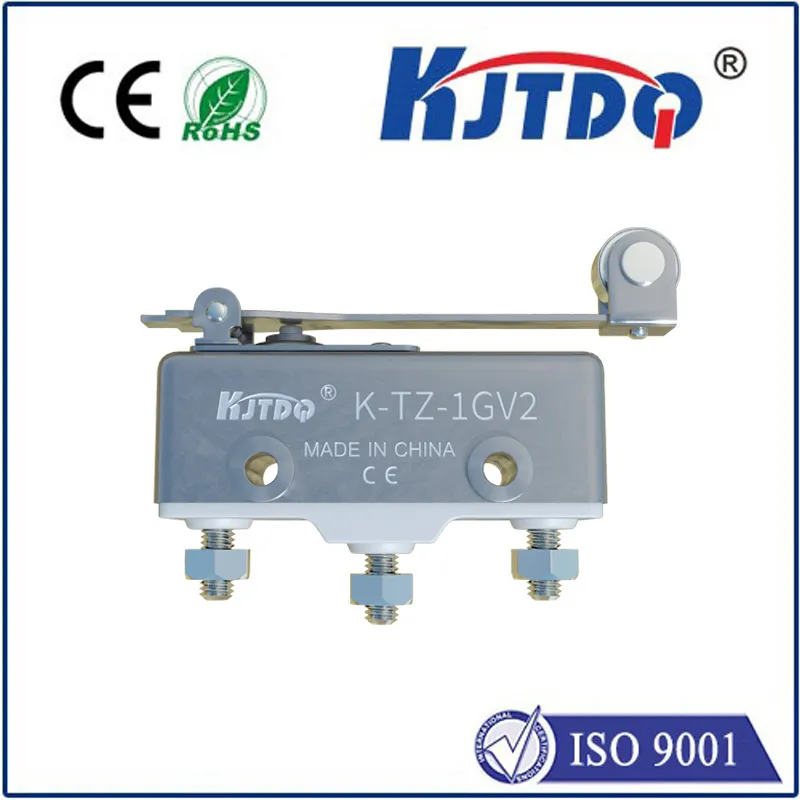
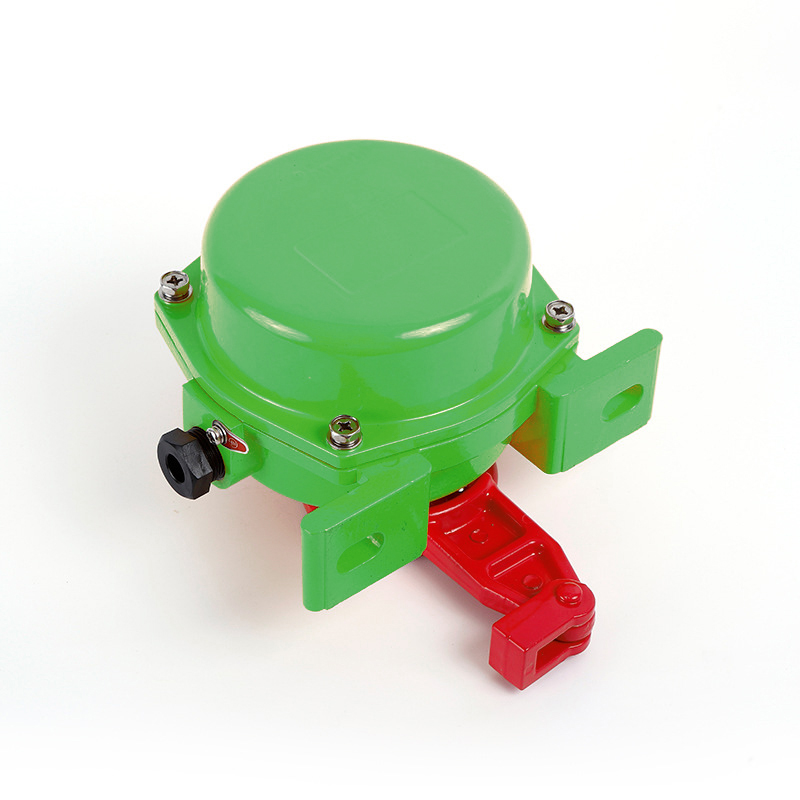
Emergency limit switches are engineered to detect abnormal conditions such as over-travel, excessive force, or unintended movements in automated systems. Typically installed on conveyor belts, robotic arms, cranes, and assembly lines, these switches trigger an emergency stop when activated. For instance, in a manufacturing plant, if a robotic arm moves beyond its intended range, the emergency limit switch intervenes to cut power, averting collisions or structural failures. This proactive approach not only protects workers but also enhances operational reliability by minimizing unexpected interruptions.
The design of modern emergency limit switches incorporates robust materials like stainless steel or industrial-grade plastics, ensuring durability in harsh environments. They are built to withstand extreme temperatures, moisture, dust, and vibrations, making them suitable for industries ranging from automotive to pharmaceuticals. Many models feature sealed housings that resist corrosion, extending their lifespan even in demanding settings. Additionally, advancements in technology have led to the development of wireless and smart limit switches, which integrate with IoT systems for real-time monitoring and predictive maintenance. These innovations allow operators to receive alerts before issues escalate, further boosting efficiency.
Installation and maintenance of emergency limit switches are straightforward but require careful attention. Proper positioning is key to effective functionality; switches must be placed at strategic points where limit breaches are most likely to occur. Regular inspections are recommended to check for wear, alignment, and electrical connections. In high-risk applications, redundant systems with multiple switches may be employed to ensure backup protection. Training personnel on the importance of these devices and how to respond during an emergency is equally vital, as human oversight complements automated safety measures.
Beyond safety, emergency limit switches contribute to productivity by enabling smoother operations. By preventing malfunctions, they reduce repair costs and extend equipment life. In sectors like logistics, where automated sorting systems rely on precise movements, these switches ensure packages are handled correctly without jams or errors. This reliability translates to faster throughput and higher customer satisfaction. Moreover, compliance with international safety standards, such as ISO 13849 or ANSI B11.19, is often mandatory, and using certified limit switches helps companies meet regulatory requirements while fostering a culture of safety.
In conclusion, the emergency limit switch is more than just a safety device—it is a cornerstone of modern industrial automation. Its role in preventing accidents and optimizing processes cannot be overstated. As industries evolve towards greater automation and connectivity, investing in high-quality limit switches becomes imperative for sustainable growth. By prioritizing safety through reliable components like the ELS, businesses can achieve a balance between innovation and risk management, ultimately driving success in a competitive landscape.