check

check

check

check

check

check
In industrial automation and machinery control, precision and reliability are non-negotiable. Among the myriad components that ensure seamless operation, the limit switch stands as a fundamental yet critical device. Specifically, the Gwest limit switch has garnered attention for its robust performance in various demanding applications. This guide delves into the functionality, types, applications, and key considerations for selecting and maintaining Gwest limit switches, providing essential insights for engineers and procurement specialists.
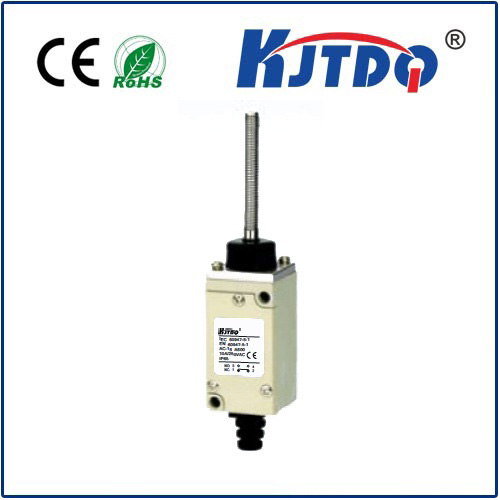
A limit switch is an electromechanical device that consists of an actuator mechanically linked to a set of contacts. When an object, known as the target, makes physical contact with the actuator, it triggers the switch to either make or break an electrical connection within a control circuit. This simple action is the cornerstone for tasks such as stopping or starting machinery, counting objects, detecting position, or sequencing operations. The Gwest limit switch is engineered to deliver this function with high repeatability, durability, and environmental resistance, making it suitable for harsh industrial environments like manufacturing plants, packaging lines, and material handling systems.
The core advantage of the Gwest limit switch lies in its design and construction. Typically housed in a rugged metal or high-grade plastic enclosure, it offers protection against dust, moisture, oil, and mechanical impacts, often corresponding to IP (Ingress Protection) ratings like IP65 or IP67. The actuator types vary widely, including lever arms, roller levers, push plungers, and whisker types, each suited for different kinds of motion and force. For instance, a roller lever actuator is ideal for detecting the presence of a moving part on a conveyor, while a plunger type might be used for precise end-position detection in a linear motion system.
When integrating a Gwest limit switch into a system, understanding its electrical specifications is paramount. These switches are available in various contact configurations (e.g., normally open (NO), normally closed (NC), or changeover) and can handle different load currents and voltages, from low-voltage DC control signals to higher AC power loads. Compatibility with the existing Programmable Logic Controller (PLC) or relay logic is essential to ensure proper interfacing and safe operation. Furthermore, factors such as operating temperature range, mechanical life (number of actuations), and electrical life must align with the application's demands to prevent premature failure and costly downtime.
Application scenarios for Gwest limit switches are extensive. In automated assembly lines, they precisely position robotic arms or verify component placement. In elevator systems, they ensure the cab stops accurately at each floor. In safety circuits, they can serve as interlock devices, halting machinery when a guard door is opened. The reliability of the Gwest brand in these scenarios often stems from rigorous testing and quality control, ensuring consistent performance even under continuous cycling or vibrational stress.
Maintenance, though minimal, is crucial for longevity. Regular inspection for physical damage, wear on the actuator, and cleanliness of the contact area can prevent malfunctions. Checking for loose wiring and ensuring the mounting is secure are also standard preventive measures. It is advisable to follow the manufacturer's guidelines for service intervals and replacement parts. While Gwest limit switches are built for endurance, proactive maintenance schedules help in identifying issues before they escalate into major system failures.
Selecting the right Gwest limit switch requires a clear analysis of the application. Key questions include: What is the nature of the target object? What is the required actuation force and travel? What are the environmental conditions (presence of chemicals, temperature extremes)? What electrical load needs switching? Answering these helps in specifying the correct model, actuator style, enclosure rating, and electrical characteristics. Consulting technical datasheets and, if necessary, supplier experts can ensure an optimal match, enhancing both performance and safety.
In conclusion, the Gwest limit switch represents a vital component in the realm of industrial control, offering a dependable solution for position detection and machine sequencing. Its design prioritizes durability and accuracy, supporting the efficient and safe operation of automated systems. By understanding its principles, specifications, and application needs, professionals can effectively leverage this device to improve operational reliability and productivity. As automation continues to evolve, the role of precise and rugged components like the Gwest limit switch remains indispensable.