check

check

check

check

check

check
If your mobile home furnace is cycling on and off too frequently, blowing cold air, or failing to start at all, a faulty limit switch is a common culprit. This small but crucial safety device is the guardian of your heating system, and understanding its function, symptoms of failure, and replacement process is essential for maintaining a warm and safe home.
The limit switch, often called a high-limit switch or fan limit control, is a temperature-sensitive sensor located near the heat exchanger. Its primary job is safety. It monitors the temperature inside the furnace plenum. When the furnace turns on, the burners heat the heat exchanger. Once the air around the heat exchanger reaches a specific "high limit" temperature (typically between 90°F and 150°F), the switch activates, completing the circuit to turn on the blower fan. This fan then distributes the warm air throughout your ductwork.
Conversely, after the thermostat is satisfied and the burners shut off, the limit switch keeps the blower fan running until the temperature in the plenum drops to a lower, safe level (the "low limit"). This prevents residual heat from damaging the furnace components. Most importantly, if the temperature rises dangerously high due to a blocked airflow, a failing blower motor, or other issues, the limit switch will "trip," breaking the circuit and shutting off the gas valve entirely to prevent overheating and potential fire hazards. It acts as a critical fail-safe.
Several telltale signs point to a problematic limit switch. The most frequent symptom is short cycling, where the furnace burner ignites for only a few minutes before shutting down, then tries to restart after a brief pause, repeating this cycle endlessly. You might also experience the blower fan running continuously, even when the burners are off and the house is warm, because the switch is stuck in the "on" position. Conversely, a blower fan that never turns on while the burners are firing will cause the furnace to overheat and trigger the safety trip, leading to no heat. Sometimes, you may hear a clicking sound from the furnace cabinet as the switch attempts to engage or disengage.
Before concluding the switch is bad, perform basic troubleshooting. First, ensure your furnace filter is clean. A clogged filter is the number one cause of limit switch trips because it restricts airflow, causing the heat exchanger to overheat. Replace a dirty filter immediately. Next, check that all supply and return air vents in your mobile home are open and unobstructed by furniture or curtains. Also, listen to ensure the blower fan motor is operating; if the motor is seized or the capacitor is bad, the fan won't move air, leading to overheating.
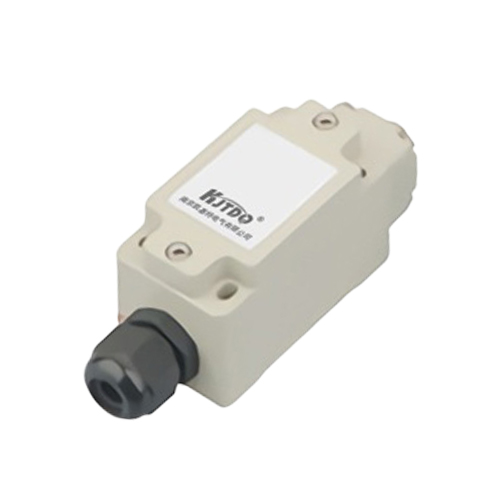
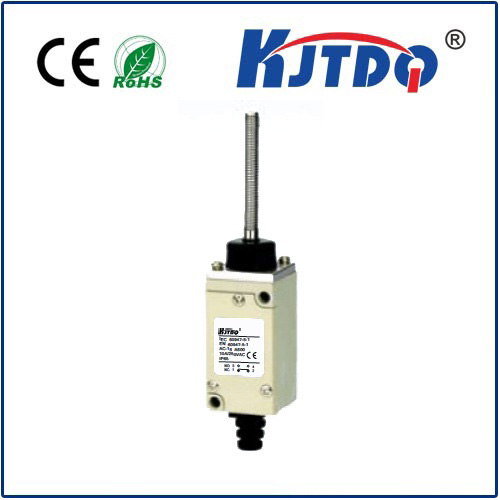
If airflow is not the issue, you can test the limit switch itself. Always turn off the electrical power to the furnace at the main service panel before performing any inspection. Locate the switch, which is usually a small, rectangular metal or plastic component with a temperature-sensing probe, mounted on or inside the furnace plenum. Using a multimeter set to measure resistance (ohms), disconnect the wires from the switch terminals. At room temperature, a functioning limit switch should show continuity (a very low resistance reading or a beep). You can then carefully use a hairdryer to warm the sensor. The switch should "open" (show infinite resistance/no continuity) at a certain point. If it does not change state with temperature, it is likely faulty.
Replacing a mobile home furnace limit switch is a straightforward task for a confident DIYer, but if you are unsure, always hire a professional HVAC technician. To replace it: 1) Turn off all power (electricity and gas) to the furnace. 2) Remove the furnace access panel. 3) Locate the old switch, note the wire connections (take a photo), and disconnect them. 4) Unscrew or unclip the old switch from its mounting bracket. 5) Install the new, exact replacement switch. It is critical to match the part number, temperature ratings, and voltage specifications. Using an incorrect switch can be dangerous. 6) Reconnect the wires as they were. 7) Restore power and test the furnace operation.
Regular maintenance is the best way to prevent limit switch problems. Change your air filter every 1-3 months, keep vents clear, and schedule an annual professional furnace tune-up. A technician will clean the system, check all components, and ensure the limit switch is operating within its specified parameters. A well-maintained furnace not only runs more efficiently but also protects the longevity of safety devices like the limit switch, ensuring reliable heat for your mobile home throughout the winter.