check

check

check

check

check

check
In the intricate world of industrial automation and machinery, countless components work in silent harmony to ensure seamless operation. Among these, the limit switch actuator stands as a critical, though often overlooked, guardian of precision and safety. Far more than a simple on/off trigger, this device is the essential interface between a machine's physical movement and its control system, dictating the boundaries of motion with unwavering reliability.
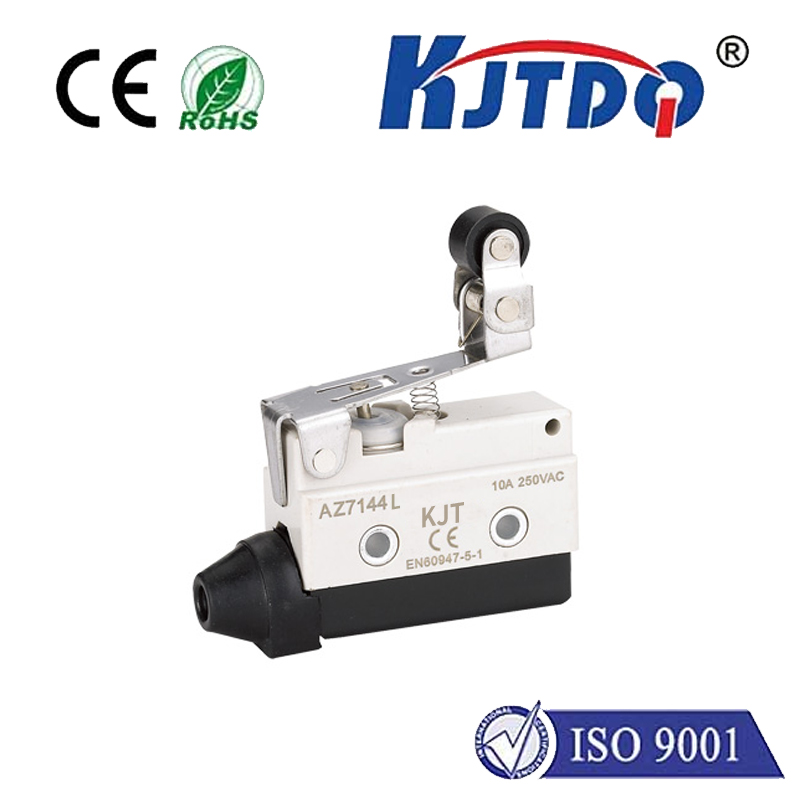
At its core, a limit switch actuator is the component that physically interacts with a moving part—be it a conveyor belt, a robotic arm, or a garage door. When the moving part makes contact with the actuator, it triggers the internal switch mechanism, sending a definitive electrical signal to the control circuit. This signal can command a motor to stop, reverse direction, initiate a new sequence, or simply confirm a position. The actuator itself comes in various forms: roller levers for linear motion, wobble sticks for omnidirectional contact, cams for rotary applications, and simple plungers for direct linear push. The choice of actuator type is paramount, as it directly influences the switch's sensitivity, durability, and suitability for the specific mechanical environment.
The applications for limit switch actuators are vast and vital. In automated assembly lines, they ensure robotic arms retract to a safe "home" position before the next cycle begins. In elevator systems, they provide the final, fail-safe confirmation that the cab is perfectly aligned with a floor, preventing doors from opening mid-shaft. Within packaging machinery, they control the precise cut-off point for materials, guaranteeing consistency and reducing waste. In heavy-duty crane operations, they act as the ultimate travel limit, preventing catastrophic over-travel. This ubiquitous presence across industries underscores their role as fundamental building blocks for both efficiency and personnel safety.
Why is the KJTDQ approach to these components so significant? It represents a holistic understanding that the actuator is not an isolated part but a system-critical interface. The longevity and accuracy of the entire limit switch depend on the actuator's ability to withstand repeated impacts, environmental contaminants like dust and moisture, and extreme temperatures. A high-quality actuator, designed with robust materials and precise engineering, translates to fewer false triggers, reduced downtime, and enhanced operational safety. It is the difference between a system that operates and one that operates optimally with trusted predictability.
Selecting the right limit switch actuator requires careful consideration of several factors. The operating force and travel distance needed to reliably trip the switch must match the mechanical action. The required speed of operation and the expected lifecycle—often millions of cycles—demand materials that resist wear and fatigue. Environmental conditions dictate the need for sealed housings to protect against ingress. Furthermore, the mechanical advantage provided by different lever arm designs can be crucial for applications with limited movement force.
In conclusion, while the internal switch mechanism handles the electrical command, the limit switch actuator is the diligent sentinel that translates physical reality into actionable data. Its design and reliability form the first line of defense in machine control logic. For engineers and system designers, specifying a well-engineered actuator from a trusted provider is not a minor detail but a foundational decision for creating resilient, safe, and precise automated systems. It ensures that every cycle, every movement, and every process halt occurs exactly as intended, safeguarding both equipment and productivity.