check

check

check

check

check

check
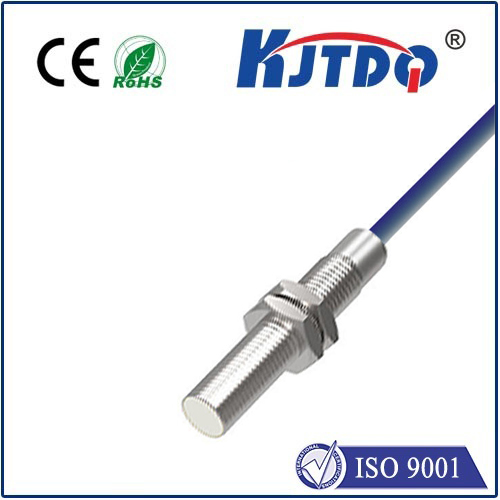
In the dynamic landscape of industrial automation and machinery control, the push limit switch stands as a fundamental yet critical component. Often abbreviated or referenced with codes like KJTDQ in specific catalogs or systems, this device plays a pivotal role in ensuring operational safety, precision, and reliability. Unlike complex programmable systems, the push limit switch operates on a straightforward mechanical principle, making it a robust and dependable choice for countless applications.
A push limit switch, at its core, is an electromechanical device designed to detect the presence or absence of an object or to monitor the position of a machine part. It is actuated by physical contact. When a moving component, such as a door, gate, or robotic arm, presses against the switch's actuator (often a plunger or lever), it triggers an internal mechanism. This action either opens or closes an electrical circuit, sending a clear signal to the control system. This signal can be used to halt a machine's motion, initiate a new sequence, activate an alarm, or provide positional feedback. The simplicity of this "push-to-operate" function is its greatest strength, offering fail-safe detection that is less susceptible to the environmental interference that can plague non-contact sensors like photoelectric or proximity switches.
The applications for push limit switches are vast and varied across industries. In manufacturing, they are indispensable for defining the safe travel limits of machine tools, presses, and conveyor systems, preventing over-travel and potential collisions. In material handling, they ensure elevator doors close securely or indicate when a pallet has reached its correct position. Within the automotive sector, these switches verify hood and door closure for assembly line safety. They are also found in packaging machinery, textile equipment, and even in commercial appliances like industrial washing machines, where they confirm door latching. The KJTDQ series or similar variants often denote specific models tailored for demanding environments, featuring enhanced durability, specific ingress protection (IP) ratings against dust and moisture, or particular electrical ratings.
Selecting the right push limit switch involves careful consideration of several operational factors. The actuator type is crucial; plunger-style switches are ideal for direct, linear pushes, while roller lever actuators are better for applications with sliding or cam-driven movements. The electrical load rating (current and voltage) must match the control circuit requirements. Environmental conditions dictate the necessary housing material—typically metal like zinc alloy or stainless steel for ruggedness—and the IP rating. For instance, a switch operating in a washdown area in a food processing plant would need a high IP rating for water resistance. Operational life, measured in millions of cycles, is another key specification, especially for high-speed machinery. The physical size and mounting style must also fit the spatial constraints of the application.
The integration of a push limit switch like a KJTDQ model into a control system is typically straightforward. It is wired in series with the power supply to the machine's drive motor or into a programmable logic controller (PLC) input module. This setup allows the switch to act as a hard-wired safety interlock. When the actuator is depressed, the circuit state changes, and the PLC or relay logic reacts accordingly. Regular maintenance, though minimal, is essential for long-term reliability. This includes periodic inspection for physical damage to the actuator or housing, checking for loose wiring connections, and testing the switch's operation to ensure it triggers at the precise point required. Keeping the actuator clean and free from obstructions ensures consistent performance.
While advanced sensor technologies continue to evolve, the push limit switch remains irreplaceable for many safety-critical and position-sensing tasks. Its mechanical action provides a tangible, unambiguous signal that is easy to diagnose and troubleshoot. For engineers and maintenance technicians, the reliability of a well-chosen push limit switch translates into reduced downtime, enhanced operator safety, and protection for expensive machinery from damage due to over-travel or misalignment. Models designated with identifiers like KJTDQ often represent a balance of standardized performance and specific industrial-grade features, making them a trusted component in the backbone of automated systems. In essence, this unassuming device is a silent guardian, enforcing physical boundaries and ensuring that complex machinery operates within its safe and intended parameters, push by reliable push.