check

check

check

check

check

check
In the world of CNC machining, precision and reliability are non-negotiable. Every micron counts, and any unexpected movement can lead to catastrophic tool failure, part damage, or even operator injury. This is where the humble limit switch, when seamlessly integrated with the powerful GRBL control system, transforms from a simple component into a critical guardian of your machine's integrity and performance. GRBL, the high-performance, open-source G-code interpreter for Arduino, is renowned for its precision in controlling stepper and servo motors. However, its full potential for safe and automated operation is unlocked only with proper end-stop or limit switch configuration.
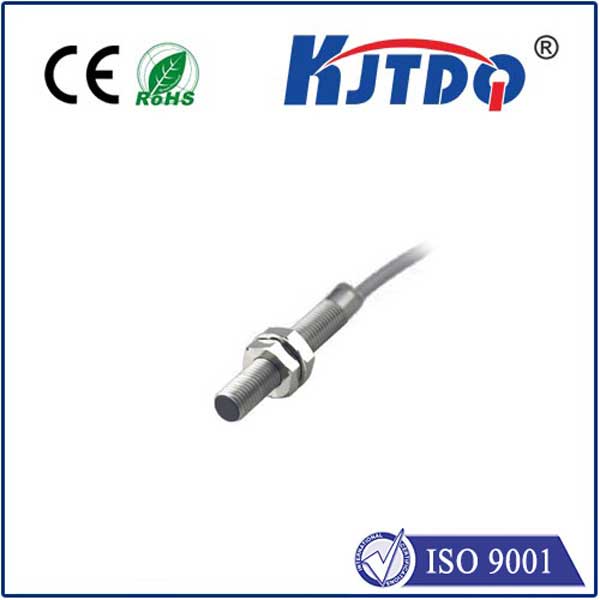
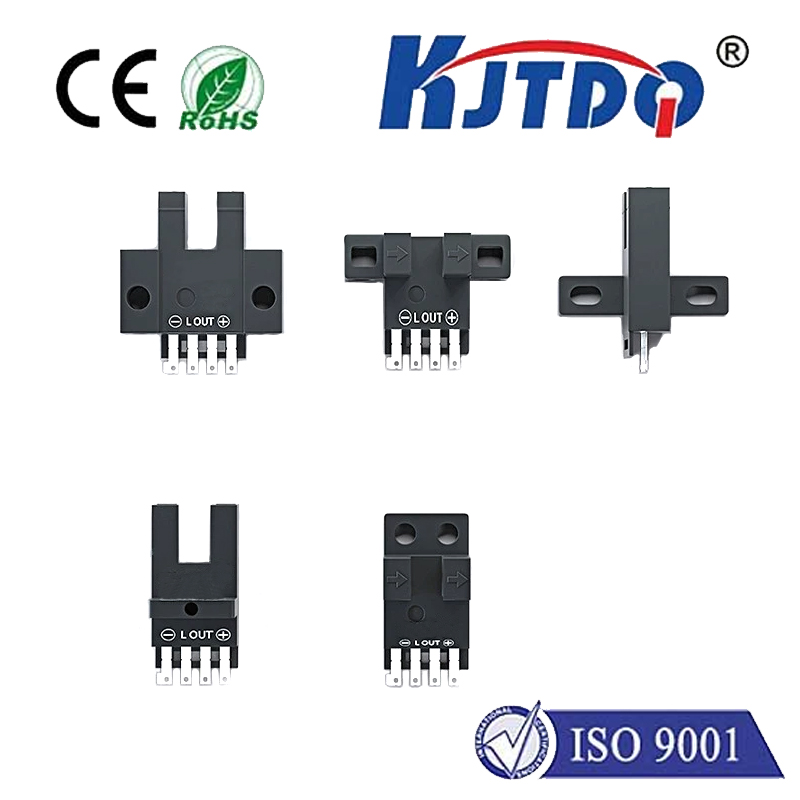
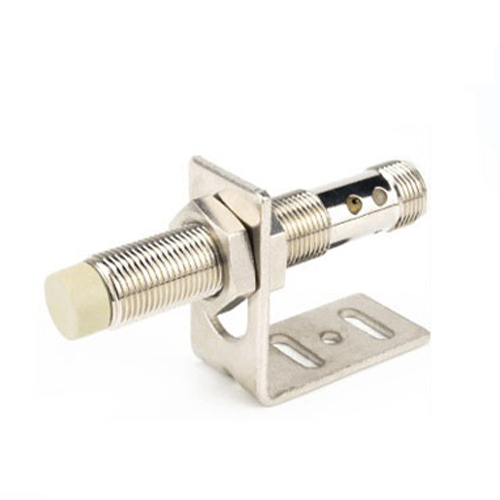
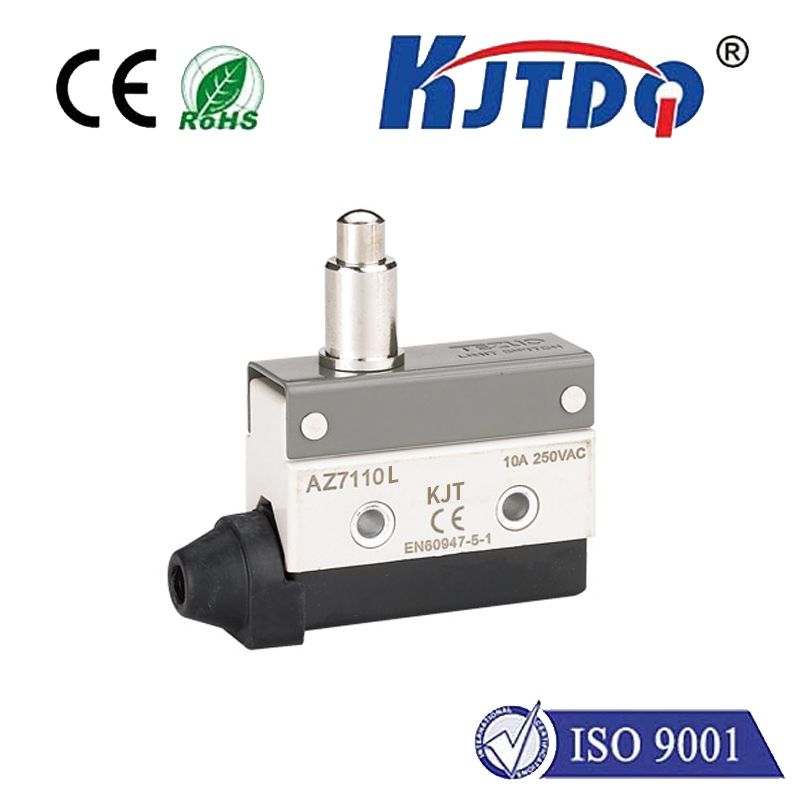
Limit switches are electromechanical devices placed at the physical boundaries of each axis on a CNC machine (X, Y, and Z). Their primary function is to detect when a moving part, like the router spindle or the laser head, has reached the end of its intended travel. When activated, they send an immediate signal to the GRBL controller. This is far more than just a "bumper" to prevent crashes. Properly implemented, limit switches provide GRBL with essential homing and referencing capabilities. The homing cycle, initiated by a G-code command, directs each axis to move slowly towards its limit switch until it triggers. At that precise moment, GRBL records the position as a known reference point (machine zero). This process eliminates positional drift and ensures that every job starts from an absolutely consistent location, which is fundamental for repeatability across multiple production runs.
The integration process involves both hardware wiring and software configuration. Physically, normally open (NO) or normally closed (NC) switches are mounted at the travel limits. A key consideration for electrical noise immunity in a workshop environment is using a shielded cable and configuring the input pins in GRBL with a pull-up resistor, typically set using the$5 parameter for inverting the limit pins. The choice between NO and NC circuits is crucial for fail-safe operation; a NC configuration is often preferred because a broken wire or disconnected switch will appear as a constant "triggered" state, causing GRBL to enter an alarm lock, thus preventing movement. This fail-safe design is a core tenet of industrial safety.
Within the GRBL settings (accessible via commands like$$), parameters such as homing feed rate ($20), homing seek rate ($21), and homing pull-off distance ($22) are calibrated to ensure the homing cycle is both fast and gentle, avoiding excessive force on the switch mechanism. Furthermore, soft limits—a purely software-based boundary defined in GRBL's settings ($20,$21,$22 for axis travel limits)—can be established once the machine's physical travel is known via homing. This creates a second layer of protection, stopping movement via G-code command before a physical limit is ever reached, preserving the longevity of the mechanical switches.
The benefits of this integration are substantial. First and foremost is enhanced safety: it protects the machine's lead screws, linear guides, and frame from damage due to over-travel. Second is operational efficiency: automated homing saves significant time and eliminates manual positioning errors. Third is improved accuracy: by defining a consistent machine zero, the geometric accuracy of parts is maintained. For users of laser cutters or 3D printers running GRBL, this is equally vital for ensuring the tool head operates within the safe and calibrated area of the build platform.
Troubleshooting common issues is part of a robust setup. "False triggering" is frequently caused by electrical noise from spindle motors or VFDs. Solutions include improving grounding, using ferrite cores on cables, and adjusting the GRBL debounce setting ($12). If GRBL fails to home or immediately goes into an alarm state, checking the continuity of the switch circuit and verifying the$5 pin invert setting are essential first steps. Regular maintenance, such as cleaning the switch actuator to prevent dust or chip buildup and checking for mechanical wear, ensures long-term reliability.
In conclusion, the strategic integration of limit switches with the GRBL controller is not an optional upgrade but a foundational aspect of professional CNC operation. It bridges the gap between the digital instructions of G-code and the physical reality of the machine, creating a closed-loop system that prioritizes safety, enforces precision, and automates critical setup routines. Whether you are building a machine from scratch or retrofitting an existing one, investing time in correctly installing and configuring limit switches will pay dividends in part quality, machine durability, and operational peace of mind, allowing you to focus on creation rather than concern.