check

check

check

check

check

check
In industrial automation and machinery control, precision and reliability are non-negotiable. The auxiliary limit switch plays a critical role in ensuring systems operate within safe parameters, preventing equipment damage and enhancing operational efficiency. As a key component in safety circuits, it acts as a safeguard by monitoring the position or movement of mechanical parts, triggering actions when predefined limits are reached. KJTDQ, a trusted name in electrical components, offers advanced auxiliary limit switch solutions designed to meet the rigorous demands of modern industries.
The primary function of an auxiliary limit switch is to provide additional control points in automated systems. Unlike main limit switches that handle primary operations, auxiliary versions serve as backup or supplementary devices, adding layers of safety and functionality. For instance, in conveyor systems, they can detect jams or over-travel, sending signals to halt machinery before accidents occur. In manufacturing lines, they ensure robotic arms stop at exact positions, reducing wear and improving product consistency. KJTDQ's switches are engineered with high durability, capable of withstanding harsh environments involving dust, moisture, and temperature fluctuations, making them ideal for sectors like automotive, packaging, and material handling.
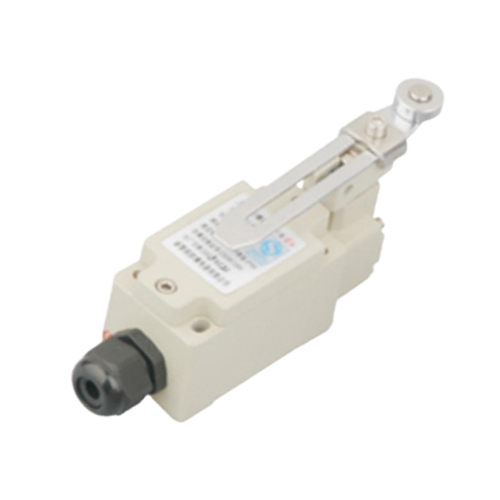
KJTDQ auxiliary limit switches stand out due to their innovative design and robust construction. Featuring compact housings, they save space while maintaining high performance. The switches utilize high-grade materials such as stainless steel actuators and corrosion-resistant enclosures, ensuring longevity even in corrosive settings. Electrical specifications include multiple contact configurations—normally open (NO) and normally closed (NC)—allowing flexibility in circuit design. With quick-connect terminals and easy installation features, they reduce downtime during maintenance. Moreover, KJTDQ integrates advanced sensing technologies, offering options like roller lever, plunger, or rotary actuators to suit diverse applications, from door interlocks in elevators to position verification in agricultural machinery.
Implementing KJTDQ auxiliary limit switches brings tangible benefits to operations. Safety is significantly enhanced by preventing overloading or misalignment, which can lead to costly breakdowns or injuries. For example, in crane systems, these switches ensure hooks do not exceed lift heights, avoiding structural stress. Efficiency gains are also notable; by providing precise feedback, they enable smoother automation cycles, reducing energy consumption and minimizing manual interventions. In the context of Industry 4.0, KJTDQ switches support connectivity with PLCs and IoT networks, facilitating real-time monitoring and predictive maintenance. This proactive approach helps companies avoid unplanned outages, boosting productivity and compliance with international safety standards like ISO 13849.
Choosing the right auxiliary limit switch requires careful consideration of application needs. Factors such as operating voltage, current rating, mechanical life, and environmental resistance must align with specific use cases. KJTDQ offers a comprehensive range, from basic models for light-duty tasks to heavy-duty variants for extreme conditions. Their products undergo rigorous testing, including endurance cycles and IP rating validations, ensuring reliability. For optimal performance, regular inspection and calibration are recommended, though KJTDQ's low-maintenance design reduces such demands. Case studies from logistics warehouses show that integrating these switches cut downtime by 30% and improved safety records, highlighting their practical value.
In summary, the auxiliary limit switch is a vital element in modern industrial ecosystems, bridging safety and efficiency. KJTDQ's commitment to quality and innovation positions its solutions as top choices for engineers and operators worldwide. By investing in reliable components like these, businesses can achieve smoother operations, lower risks, and long-term cost savings. As automation evolves, the role of auxiliary limit switches will only grow, making partnerships with trusted providers like KJTDQ essential for future-ready infrastructure. Explore their portfolio to find tailored switches that elevate your systems to new heights of performance and security.