check

check

check

check

check

check
In industrial automation and control systems, limit switches play a fundamental role in monitoring and controlling the movement of machinery. A limit switch schematic diagram is the essential blueprint that engineers and technicians rely on for installation, troubleshooting, and system integration. This visual representation details the electrical connections, contact configurations, and operational logic of the switch within a larger circuit. Grasping the schematic is key to ensuring safety, reliability, and efficiency in automated processes.
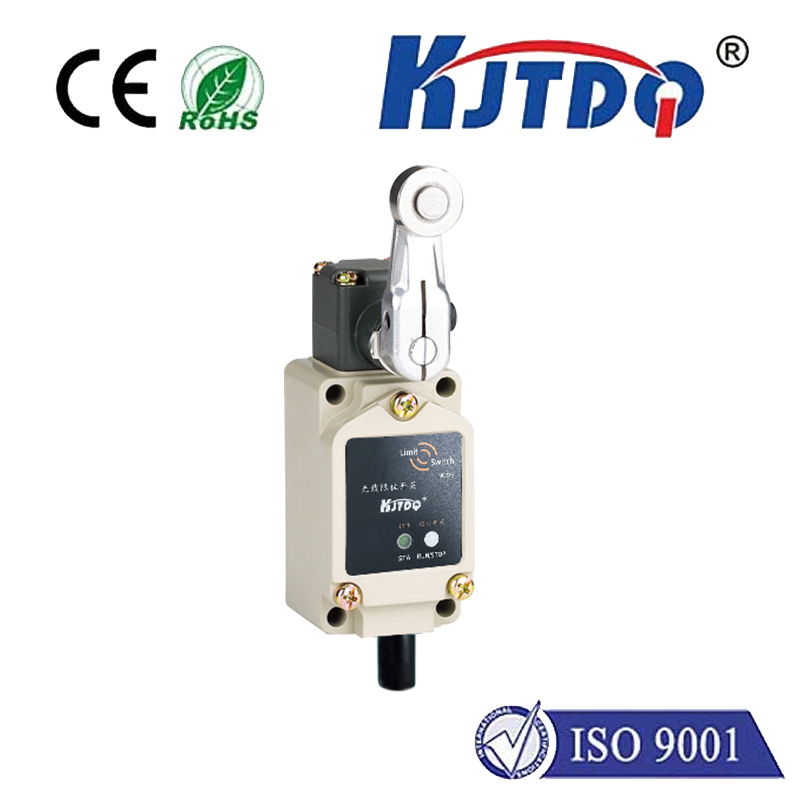
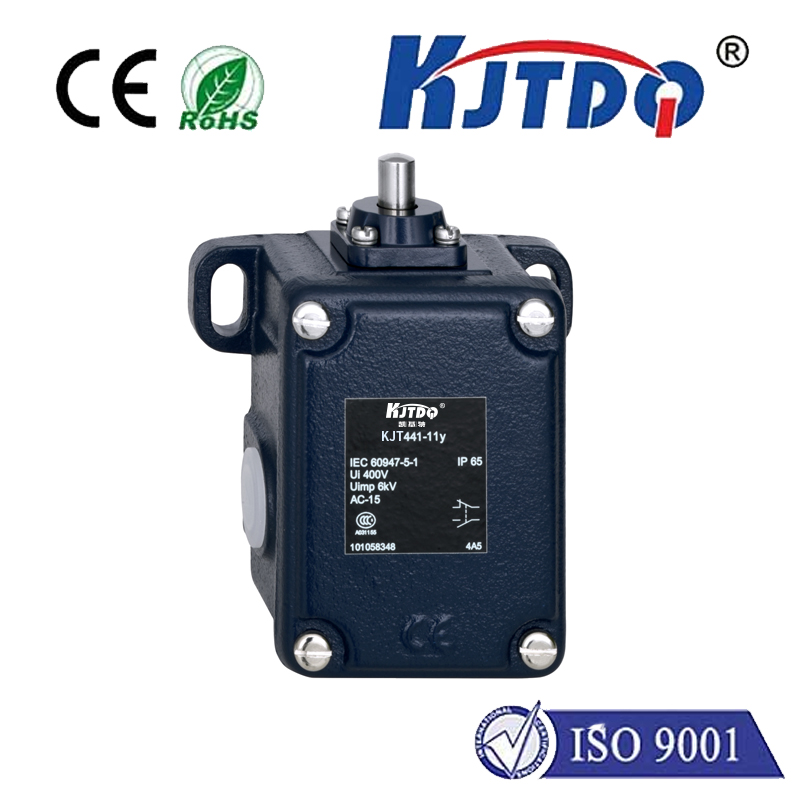
At its core, a limit switch is an electromechanical device activated by the physical motion or presence of an object. Its primary function is to convert mechanical motion into an electrical control signal. This signal can stop, start, or alter the sequence of operations in machinery like conveyor belts, robotic arms, or CNC machines. The schematic diagram translates this physical interaction into standardized electrical symbols, showing how the switch integrates with other components like relays, programmable logic controllers (PLCs), motor starters, and power supplies.
A typical limit switch schematic will feature several key symbols. The switch itself is often represented by a circle or a specific symbol denoting its type (e.g., lever, roller, plunger) connected to a set of contacts. The most critical elements are the contact symbols: normally open (NO) and normally closed (NC) contacts. In its resting state, an NO contact is open, meaning no current flows through it. When the switch is actuated, this contact closes to complete the circuit. Conversely, an NC contact is closed in the resting state and opens upon actuation, breaking the circuit. Schematics clearly label these contacts, often as "NO" and "NC" or using specific graphic notations.
The wiring diagram portion of the schematic shows the practical connections. It illustrates how the limit switch's common (COM), normally open, and normally closed terminals are wired to control devices. For instance, a common safety interlock circuit might wire an NC contact in series with a motor starter's coil. If the limit switch is triggered (e.g., a safety guard opens), the NC contact opens, de-energizing the coil and stopping the motor immediately. This failsafe design is clearly depicted in the schematic logic.
Understanding the schematic allows for proper circuit design. Many industrial applications use multiple limit switches to define the start and end points of linear or rotary motion. The schematic shows their logical relationship—whether they are wired in series for an "AND" condition (all switches must be in a specific state) or in parallel for an "OR" condition (any switch can trigger an action). This logical arrangement is vital for complex sequencing and safety monitoring.
Beyond basic two-wire configurations, schematics for more advanced limit switches may include multiple poles or changeover contacts (SPDT - Single Pole Double Throw). These switches have one common terminal that can connect to either an NO or NC terminal, providing greater flexibility in control logic. The schematic precisely indicates this configuration, preventing wiring errors that could lead to malfunction or hazardous situations.
For troubleshooting, the schematic is indispensable. When a machine fails to operate as intended, technicians reference the diagram to systematically test voltages and continuity at each point in the circuit defined by the limit switch. By comparing the actual electrical state with the expected state on the schematic, they can quickly isolate faults to a faulty switch, broken wire, or issues with connected control elements.
Modern systems often interface limit switches with digital controllers like PLCs. Here, the schematic expands to show the connection from the switch to the PLC's input module. It details whether the input is sinking or sourcing, a crucial detail for correct interface. The schematic acts as the bridge between the physical wiring and the ladder logic program inside the PLC, where the switch's status is used as a contact symbol in the software.
In conclusion, a limit switch schematic diagram is far more than just a drawing; it is a critical communication tool and functional guide. Mastery of interpreting these schematics enables professionals to design safer control systems, integrate components accurately, and diagnose problems efficiently. Whether for a simple mechanical stop or a complex automated sequence, the clarity provided by a well-drawn schematic ensures that the simple, reliable limit switch performs its vital role effectively within the sophisticated world of industrial automation.