check

check

check

check

check

check
In the demanding environment of industrial heating and metal processing, the electric furnace stands as a critical piece of equipment. Its reliable operation is paramount for productivity, product quality, and, most importantly, workplace safety. At the heart of this reliability lies a seemingly small but indispensable component: the electric furnace limit switch. This device acts as a vigilant guardian, preventing catastrophic failures and ensuring optimal performance.
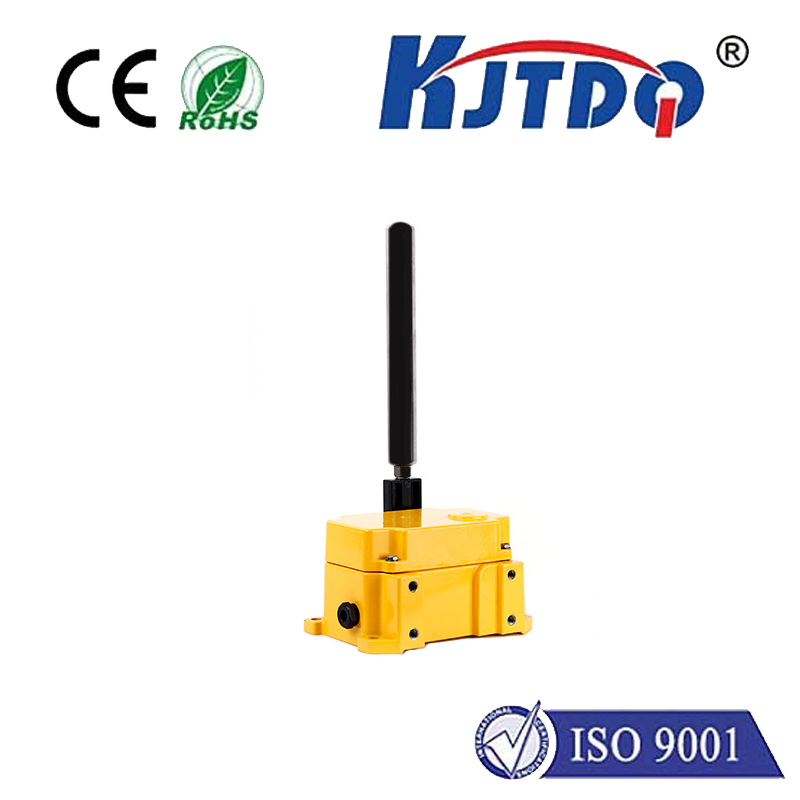
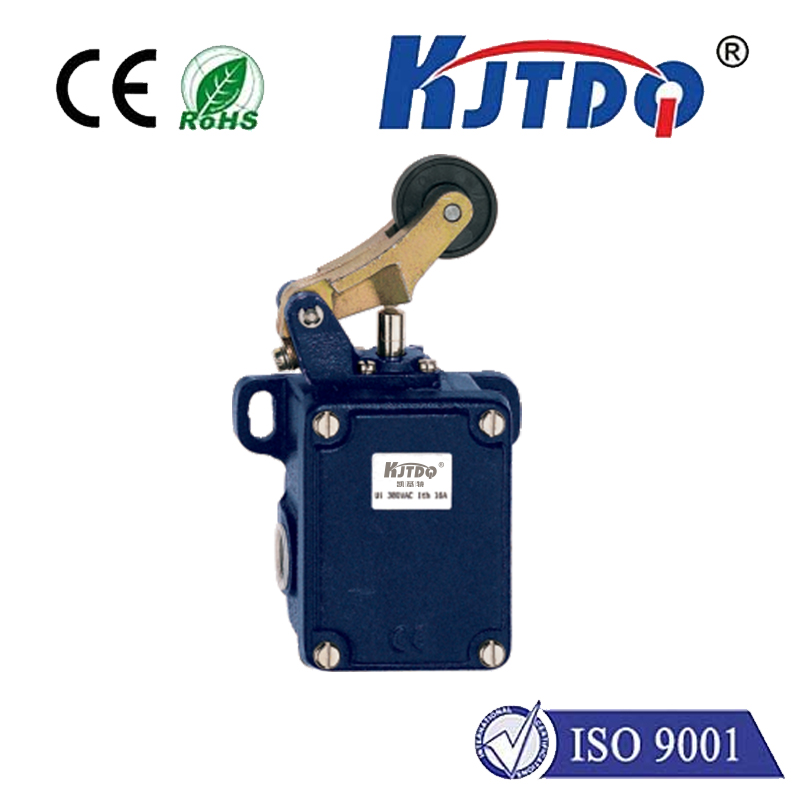
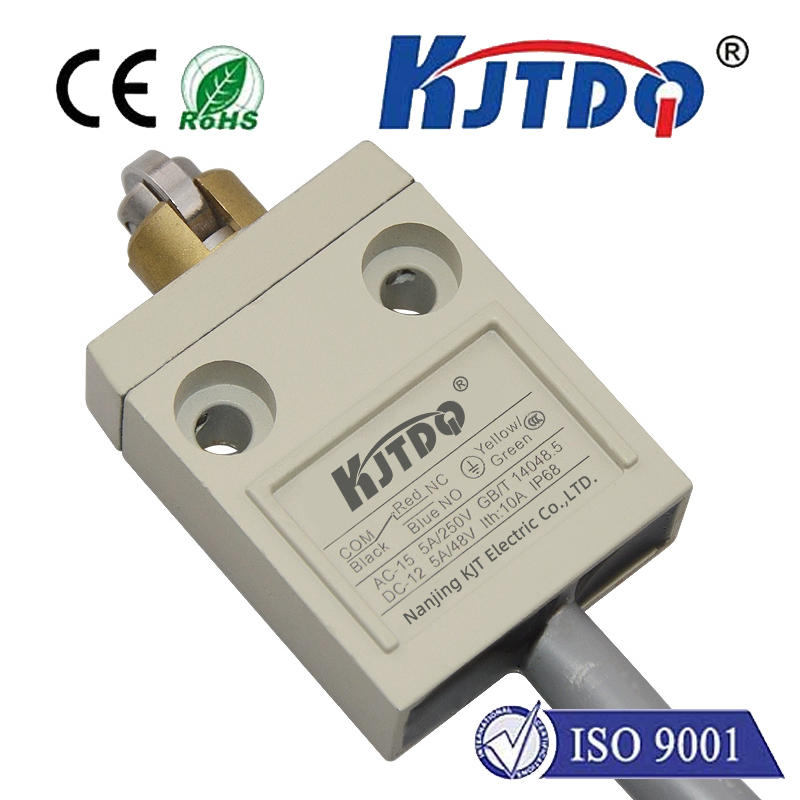
An electric furnace limit switch is a safety and control device designed to monitor specific parameters within the furnace, most commonly temperature or the position of a door or damper. Its primary function is to interrupt the electrical circuit to the heating elements or other critical systems when a preset limit is exceeded. This automatic shutdown prevents the furnace from operating under unsafe conditions, such as overheating, which could lead to equipment damage, fire hazards, or compromised product integrity.
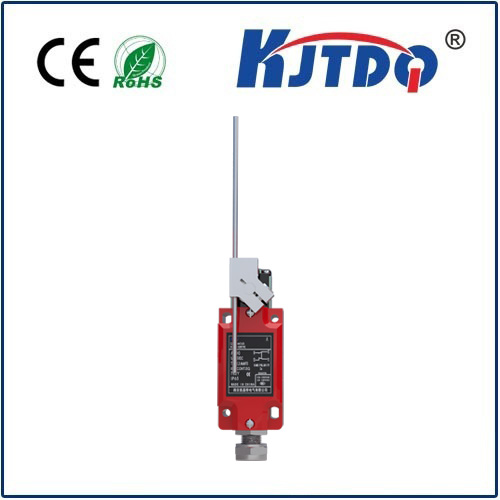
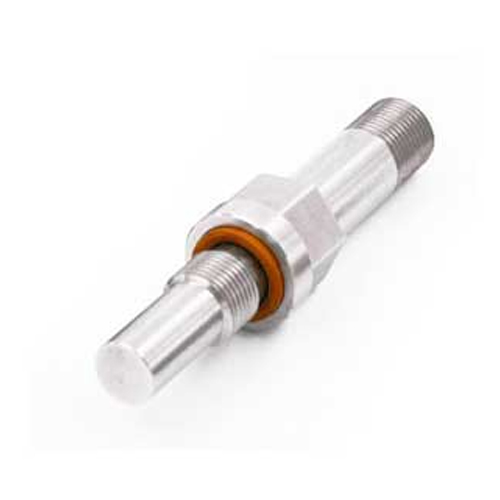
The operational principle is straightforward yet effective. For temperature limit switches, a sensor, often a thermocouple or RTD, continuously measures the internal temperature. This data is sent to the switch's control unit. Once the temperature reaches a pre-configured upper threshold, the switch mechanism trips, breaking the circuit and cutting power to the heaters. Similarly, mechanical limit switches are used to confirm the proper closure of furnace doors. If a door is not securely sealed, the switch remains open, preventing the furnace from initiating or continuing its heating cycle. This ensures no heat or harmful fumes escape into the work environment.
The integration of a robust limit switch system offers multifaceted benefits. Foremost is enhanced safety. By automatically preventing overheating, these switches mitigate risks associated with thermal runaway, protecting both personnel and capital assets. Secondly, they contribute to operational efficiency. Precise temperature control prevents energy waste from excessive heating and helps maintain consistent process conditions, leading to higher quality outputs and reduced scrap rates. Furthermore, they protect the furnace lining and heating elements from thermal stress, significantly extending the equipment's service life and reducing maintenance costs and downtime.
Selecting the appropriate limit switch requires careful consideration of several factors. The temperature range must match the furnace's operational extremes, with a suitable safety margin. The switch must be constructed from materials capable of withstanding the furnace's ambient environment, including high temperatures, potential corrosive atmospheres, and physical vibrations. Reliability and a clear fail-safe mode are non-negotiable. Regular testing and calibration are essential maintenance practices to ensure the switch functions correctly when needed. A faulty or uncalibrated limit switch provides a false sense of security and represents a significant operational liability.
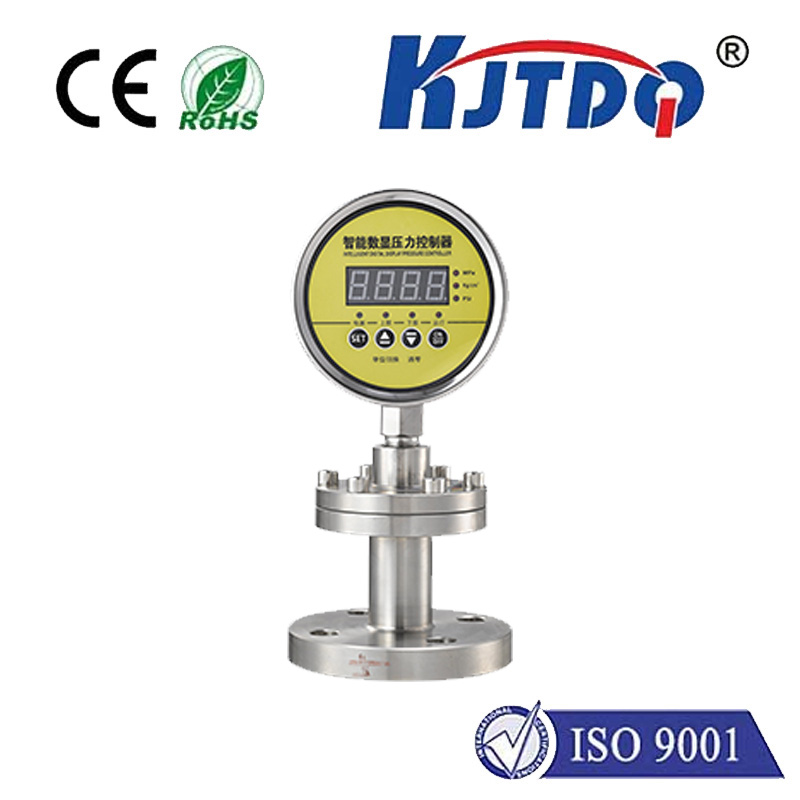
Modern advancements have introduced more sophisticated electronic limit controllers with digital displays, programmable setpoints, and communication capabilities for integration into plant-wide monitoring systems. However, the fundamental purpose remains unchanged: to provide a reliable, last-line-of-defense safety interlock.
In conclusion, the electric furnace limit switch is a critical component that should never be overlooked or undervalued. It is a fundamental element of responsible industrial operation, seamlessly blending safety protection with process efficiency. Investing in high-quality, correctly specified, and well-maintained limit switches is not merely a regulatory compliance issue; it is a strategic decision that safeguards personnel, protects valuable equipment, and ensures the smooth, profitable running of any operation dependent on electric furnace technology. Its silent, constant vigilance is what allows industries to harness intense heat safely and productively.