check

check

check

check

check

check
In industrial settings where flammable gases, vapors, or combustible dusts are present, the margin for error is zero. Equipment failure can lead to catastrophic outcomes, making the selection of every component a critical safety decision. Among these components, the humble micro switch plays an outsized role. Specifically, the Atex snap action micro switch has emerged as a cornerstone for reliable operation within hazardous areas, offering a blend of precision, durability, and certified safety that standard switches cannot provide.
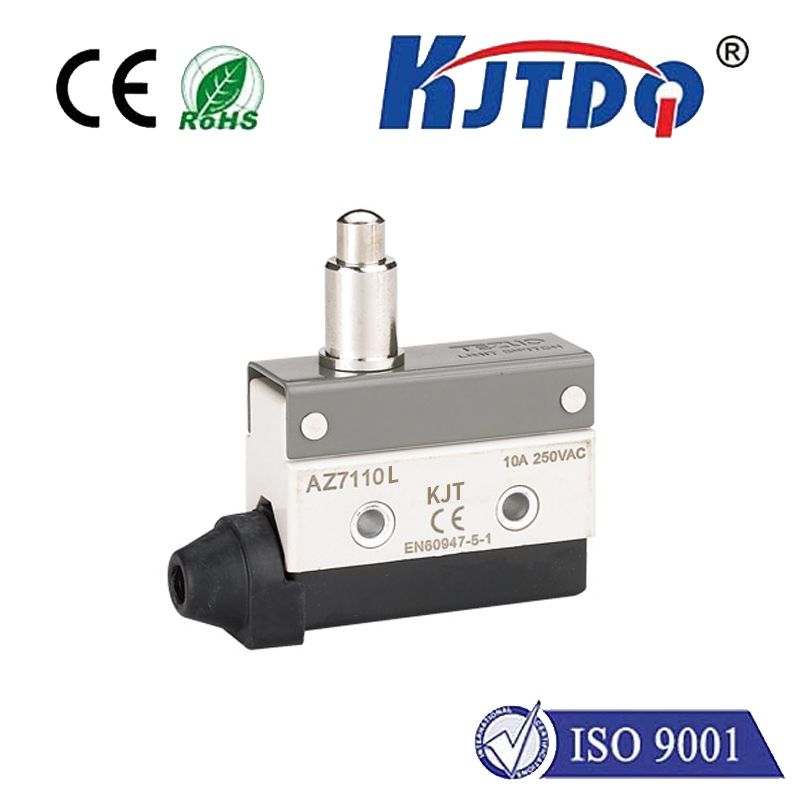
The term "Atex" originates from the French "ATmosphères EXplosibles," and refers to the pair of European directives governing equipment and protective systems intended for use in potentially explosive atmospheres. An Atex-certified snap action micro switch is engineered and tested to meet these rigorous standards. Its fundamental design prevents the switch itself from becoming an ignition source. This is achieved through encapsulation, rugged sealing to prevent ingress of dust or gas, and the use of materials that limit surface temperatures and contain any potential internal arcs. The "snap action" mechanism is key to its reliability. This design features a spring-loaded lever that ensures contacts open and close rapidly and decisively at a specific point of actuator travel, minimizing arcing and contact bounce. This results in consistent electrical performance, long life, and a high degree of repeatability—essential traits for safety-critical applications.
Where are these specialized switches indispensable? Their use spans numerous high-stakes industries. In oil and gas refineries, they are integrated into control panels, valve position indicators, and emergency shutdown systems on offshore platforms. Within chemical processing plants, they monitor door interlocks on pressurized vessels, control mixing operations, and safeguard pneumatic systems. Grain silos and flour mills, where combustible dust is a constant threat, utilize them in level detection systems and conveyor belt controls to prevent dangerous accumulations. Pharmaceutical manufacturing, with its often sterile but solvent-rich environments, also relies on their fail-safe operation for automated packaging and filling lines.
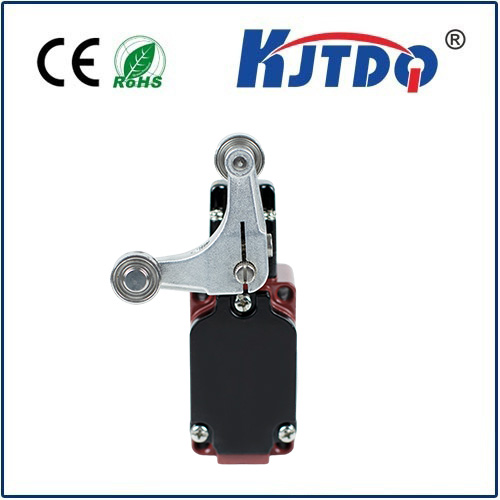
Choosing the right Atex snap action micro switch involves several technical considerations beyond the basic certification. The IP (Ingress Protection) rating is crucial; a high IP rating (e.g., IP67) ensures the switch is dust-tight and can withstand temporary immersion, vital for harsh, washdown environments. The electrical rating must match the load, whether it's a low-current signal for a PLC or a higher current for directly controlling a motor starter. Actuator type—roller lever, simulated roller lever, or pin plunger—is selected based on the mechanical motion it must sense. Furthermore, the switch must be certified for the specific zone of use: Zone 1 (likely explosive atmosphere) or Zone 2 (unlikely explosive atmosphere) for gases, and Zone 21 or 22 for dust.
The operational benefits are substantial. Primarily, they provide unparalleled risk mitigation, protecting personnel, infrastructure, and the environment. This compliance also avoids heavy regulatory fines and operational shutdowns. From a performance perspective, their robust construction leads to reduced downtime and maintenance costs. The precise snap action ensures accurate sensing and control, enhancing overall process efficiency and product quality. While the initial investment is higher than for a standard switch, the total cost of ownership is often lower when factoring in safety, reliability, and longevity.
Implementing these switches requires careful planning. Installation must adhere strictly to the manufacturer's guidelines and relevant electrical codes for hazardous areas. Proper sealing of cable entries into the switch enclosure is as important as the switch's own seals. Regular inspection schedules should be established to check for physical damage, integrity of seals, and any signs of corrosion. Testing functional operation periodically is recommended to ensure the snap action remains crisp and the electrical contacts are sound.
In conclusion, in the complex ecosystem of industrial safety, the Atex snap action micro switch is not merely a component but a vital guardian. Its certified design and reliable operation form an invisible yet essential layer of protection in volatile workplaces. For engineers and facility managers operating under the constant shadow of explosive hazards, specifying Atex-certified switches is a non-negotiable step in building a resilient, compliant, and safe operation. It represents a commitment to safeguarding what matters most through proven, precision engineering.