check

check

check

check

check

check
In the realm of automation and motion control, achieving precise endpoint positioning and ensuring operational safety are paramount. This is where the integration of an external limit switch with a linear actuator becomes a critical engineering consideration. For systems utilizing KJTDQ linear actuators, the addition of a robust external limit switch setup transforms standard linear motion into a highly reliable and secure operation.
A linear actuator is a device that creates motion in a straight line, commonly used in applications ranging from industrial machinery and robotics to healthcare equipment and home automation. While many actuators come with built-in internal limit switches to define travel endpoints, these may not always suffice for complex or safety-critical applications. Internal switches can be limited by their positioning within the actuator housing and may not offer the flexibility required for custom installation scenarios. This is precisely the role an external limit switch fulfills.
An external limit switch is a separate electromechanical device installed along the path of the actuator's moving part, such as the piston rod or the carriage. It is strategically positioned to be physically triggered when the actuator reaches a predetermined point in its stroke. When activated, the switch sends a signal to the actuator's control system to immediately stop or reverse the motor, thereby halting the motion. For KJTDQ linear actuators, which are known for their durability and consistent performance, pairing them with a high-quality external limit switch creates a formidable combination for precision control.
The advantages of employing an external limit switch with a KJTDQ linear actuator are multifaceted. First and foremost is enhanced safety. In applications where over-travel could cause damage to the actuator itself, the load it is moving, or pose a risk to personnel, an external switch acts as a fail-safe. It serves as a definitive, physical barrier to motion beyond set limits, independent of the actuator's internal electronics. This redundancy is crucial in industries like manufacturing or medical device operation.
Secondly, external switches offer unparalleled flexibility and precision in setting travel limits. Unlike fixed internal switches, external ones can be mounted at any point along the actuator's path. This allows engineers to fine-tune the exact start and stop positions for a specific task without being constrained by the actuator's internal design. Whether you need to limit stroke to a non-standard length or create multiple intermediate stopping points, external limit switches provide the necessary adjustability.
Thirdly, they contribute to the longevity of the KJTDQ actuator. By preventing the actuator from mechanically slamming into its internal end stops, external limit switches reduce stress and wear on the actuator's internal components, such as gears and the motor. This proactive protection can significantly extend the service life of the equipment, reducing maintenance costs and downtime.
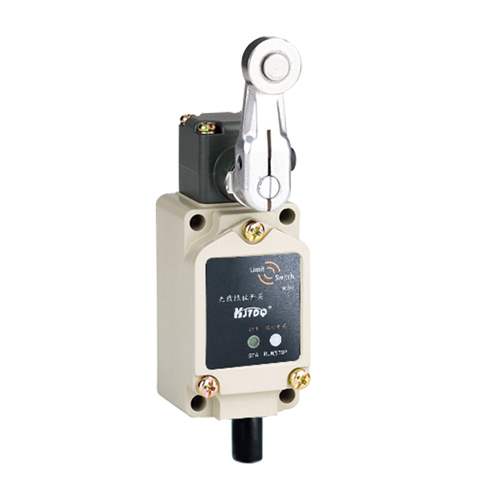
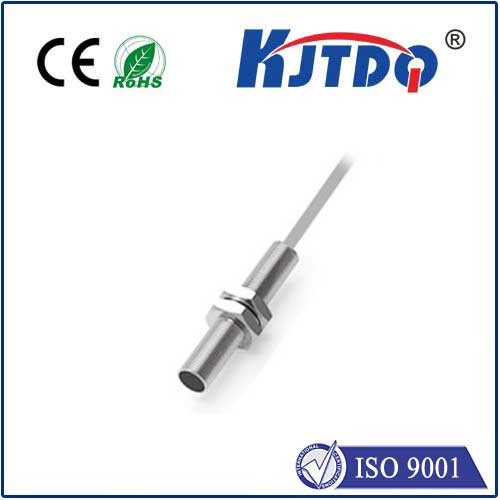
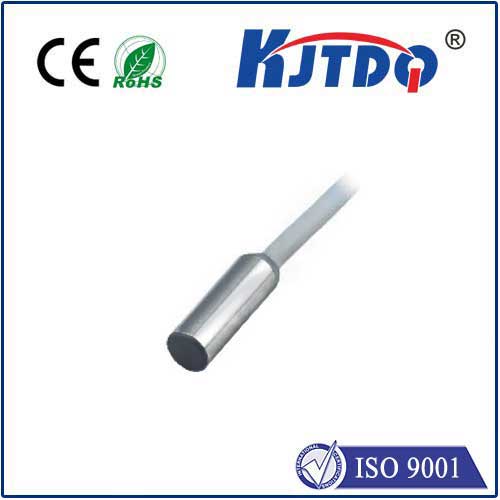
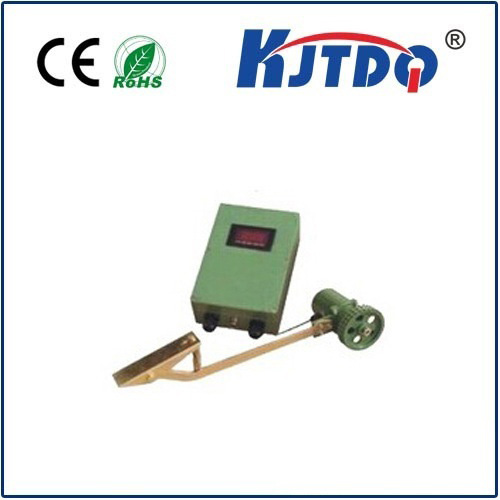
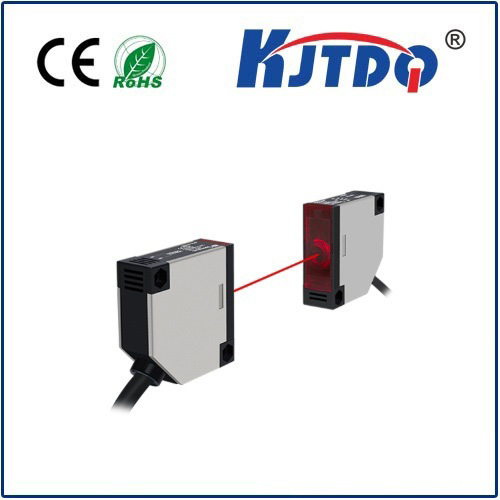
Installation and integration are straightforward. The external limit switch, often a lever-arm, roller plunger, or magnetic proximity type, is mounted on a fixed bracket adjacent to the actuator's path. The actuator's moving component is fitted with a trigger, such as an adjustable dog or a magnet. As the actuator extends or retracts, the trigger engages the switch. The wiring from the switch is then connected to the control circuit of the KJTDQ actuator, typically to the "open" and "close" control terminals, interrupting power upon activation.
Common applications for KJTDQ linear actuators with external limit switches are extensive. They are indispensable in automated packaging lines where a pusher arm must stop precisely before contacting a fragile product. In solar panel tracking systems, they ensure the panels do not rotate beyond safe mechanical limits. They are vital in ergonomic office furniture, like adjustable standing desks, to prevent the desktop from being raised or lowered too far. Furthermore, in agricultural machinery or gate automation, these switches ensure reliable operation in harsh environments.
When selecting an external limit switch for a KJTDQ actuator, key factors include the switch's electrical rating (voltage and current), its mechanical durability (IP rating for dust and moisture resistance), the actuation force required, and the type of output signal (e.g., simple open/close contact). Ensuring compatibility with the actuator's control system is essential for seamless operation.
In conclusion, while KJTDQ linear actuators provide the essential force and motion, incorporating an external limit switch elevates the system's intelligence, safety, and precision. It is a simple yet profoundly effective upgrade that safeguards equipment, optimizes processes, and ensures repeatable accuracy. For any application demanding reliable and bounded linear motion, the synergy between a KJTDQ actuator and a well-chosen external limit switch is an engineering solution that delivers peace of mind and superior performance.