check

check

check

check

check

check
In the dynamic world of industrial automation, the seamless operation of machinery hinges on the reliability of its most fundamental components. Among these, the pneumatic limit switch stands as a critical sentinel, providing essential feedback for position sensing and sequence control. SMC Corporation, a global leader in pneumatic technology, has engineered a range of pneumatic limit switches that set the benchmark for precision, durability, and integration in modern manufacturing environments. These devices are not merely switches; they are the tactile interface between mechanical motion and control logic, ensuring processes proceed with accuracy and safety.
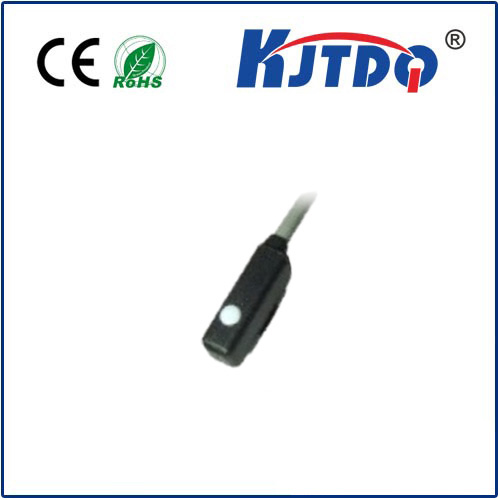
The core function of an SMC pneumatic limit switch is to detect the presence or position of a moving part, typically a cylinder piston rod, and convert this mechanical action into a pneumatic signal. This signal then directs the next step in an automated sequence, such as stopping, starting, or changing the direction of an actuator. What distinguishes SMC's offerings is their meticulous design focused on harsh industrial conditions. Constructed from robust materials like anodized aluminum and engineering plastics, these switches resist corrosion, oil, and dust ingress. This robust build ensures consistent performance in environments plagued by vibration, temperature fluctuations, and exposure to coolants or washdowns, common in sectors like automotive assembly, packaging, and food processing.
SMC's pneumatic limit switch portfolio caters to diverse application needs. From compact, low-profile models designed for tight spaces to units with adjustable actuation points for fine-tuning, the range emphasizes versatility. Many models feature built-in flow control valves, allowing for direct speed adjustment of the connected actuator, which simplifies system design and reduces the total number of components. The visual indicators on most SMC switches—often a bright colored pin or flag—provide immediate, at-a-glance confirmation of the switch's status, aiding in rapid troubleshooting and maintenance. This design philosophy reduces machine downtime, a critical factor for maintaining production efficiency and throughput.
Installation and integration are streamlined with user-friendly features. Standardized mounting brackets and interfaces ensure compatibility with a wide array of SMC cylinders and other pneumatic components, facilitating quick retrofits or new system builds. The pneumatic output is a clean, sharp signal, minimizing response time lag and ensuring the control system receives unambiguous instructions. For engineers and system integrators, this reliability translates into predictable machine behavior and simplified circuit design, reducing the complexity and potential failure points within the control logic.
Beyond basic functionality, the choice of an SMC pneumatic limit switch contributes to overall system longevity and cost-effectiveness. Their high cycle life, often in the tens of millions of operations, means reduced replacement frequency and lower long-term operational costs. The inherent safety of pneumatic signals—being immune to electrical noise and spark-free—makes them ideal for use in potentially explosive or wet environments where electronic sensors might pose a risk. This makes SMC's pneumatic limit switches a cornerstone in building inherently safer automation systems.
In conclusion, for any application demanding dependable position feedback in a pneumatic circuit, the SMC pneumatic limit switch represents a synthesis of proven engineering and practical innovation. It is a component chosen not by default, but for its demonstrated ability to enhance system reliability, simplify maintenance, and endure the rigors of continuous industrial operation. By providing a critical link in the chain of automation, these switches empower manufacturers to achieve higher levels of precision, safety, and productivity, solidifying their role as an indispensable element in the toolkit of industrial automation.