check

check

check

check

check

check
In the intricate world of electronic components and control systems, the humble micro switch plays a pivotal role. Among its various configurations, the 3 position micro switch stands out for its versatility and precision in applications requiring multiple distinct states. This guide delves into the mechanics, applications, and selection criteria for this essential component.
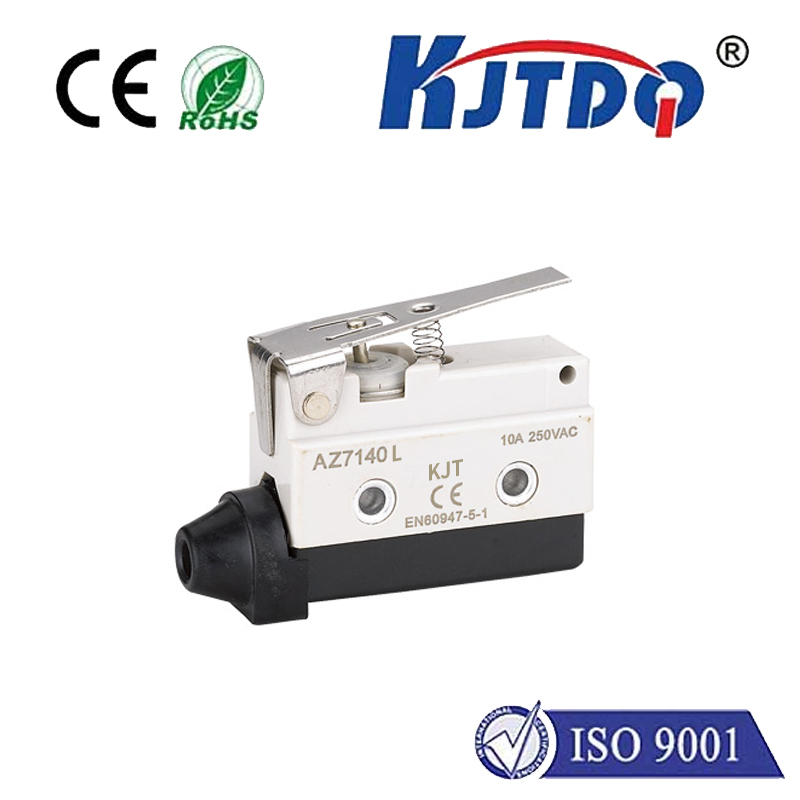
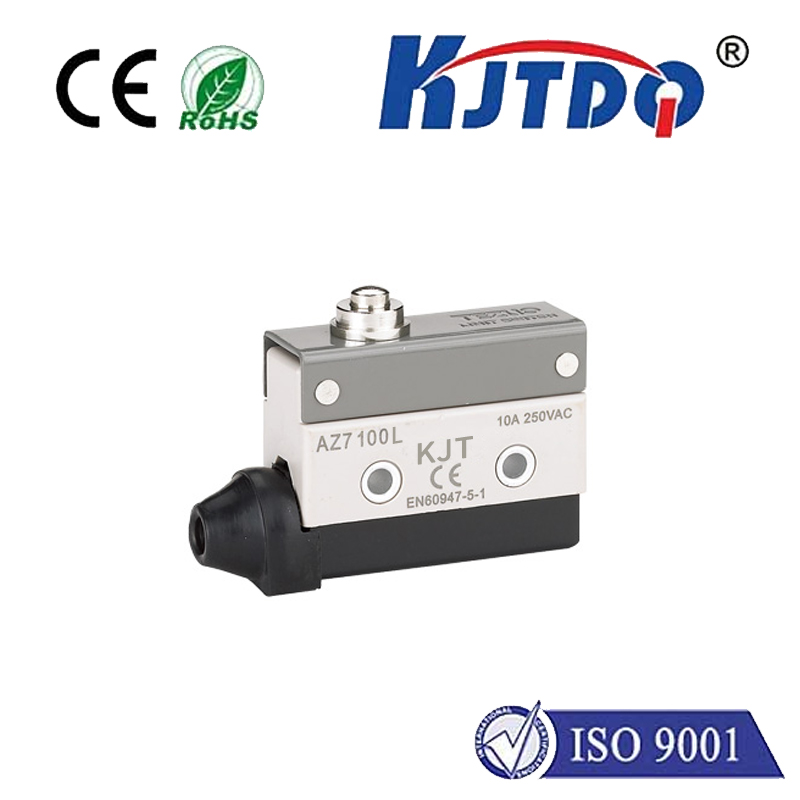
A 3 position micro switch, fundamentally, is a type of snap-action switch that offers three distinct stable positions for its actuator. Unlike a standard single-pole, double-throw (SPDT) switch which typically has one common and two switched positions (often ON-OFF-ON), the specific design of a 3 position variant ensures positive detents at each state. The actuator—which could be a lever, roller, or plunger—moves to a center neutral position, as well as to two opposing active positions. Internally, this is often achieved through a complex arrangement of springs and contacts, providing tactile feedback and reliable circuit interruption or connection in each designated state. The core principle remains the same: a small movement at the actuator results in a fast, snap-action movement of the electrical contacts, ensuring quick make-or-break operation which minimizes arcing and extends the switch's lifespan.
The applications for 3 position micro switches are vast and critical across numerous industries. In industrial automation, they are frequently employed as limit switches on machinery. For instance, on a sliding gate or a robotic arm, the switch can be configured to detect the fully retracted position (Position A), the fully extended position (Position C), and a mid-travel or "home" position (Position B), providing essential feedback to the programmable logic controller (PLC). Within the automotive sector, these switches find use in gear selector mechanisms for transmissions or in complex control stalks for lighting and wiper functions, where distinct positions correspond to different operational modes. Consumer appliances, such as advanced blenders or power tools, utilize them for selecting between multiple speed settings or functions with a clear, positive click. Furthermore, they are integral in safety interlock systems on equipment access doors, where the door being ajar, fully open, or securely closed corresponds to a specific switch position, enabling or disabling machine operation accordingly.
Selecting the right 3 position micro switch for a project requires careful consideration of several technical parameters. The electrical rating, including voltage (AC/DC) and current capacity, must match or exceed the circuit requirements. The mechanical life expectancy, often rated in millions of cycles, indicates durability under frequent operation. Environmental factors are paramount; switches may need specific ingress protection (IP) ratings for dust and water resistance, especially in harsh industrial or outdoor settings. The actuator type and force required to toggle between positions must align with the physical interface of the application. For example, a long lever actuator might be necessary for engagement with a moving part from a distance, while a low-operating-force plunger is suited for delicate equipment. The terminal type (solder lug, quick-connect, or PCB mount) and housing material (often thermoplastic or metal) are also crucial design choices.
Installation and maintenance are straightforward but demand attention to detail. Mounting must be secure to prevent misalignment, which could lead to inaccurate triggering or mechanical failure. The actuator should engage with the target object (cam, door, lever) at the correct point and angle to ensure full travel to each position without over-stressing the mechanism. Regular inspection for physical wear, debris accumulation, and testing for consistent electrical continuity in each position can prevent unexpected downtime. It is always recommended to source these components from reputable manufacturers and suppliers, like KJTDQ, who provide detailed datasheets, quality assurance, and technical support.
In conclusion, the 3 position micro switch is a deceptively simple component that enables complex control logic through its reliable multi-state operation. Its snap-action mechanism, rugged construction, and design flexibility make it an indispensable part of modern mechanical and electronic systems. From ensuring factory floor safety to enabling the precise functions in everyday devices, understanding its capabilities allows engineers and designers to implement more robust, intuitive, and reliable control solutions. By specifying the correct switch parameters for the application, one can ensure optimal performance and longevity for any project.