check

check

check

check

check

check
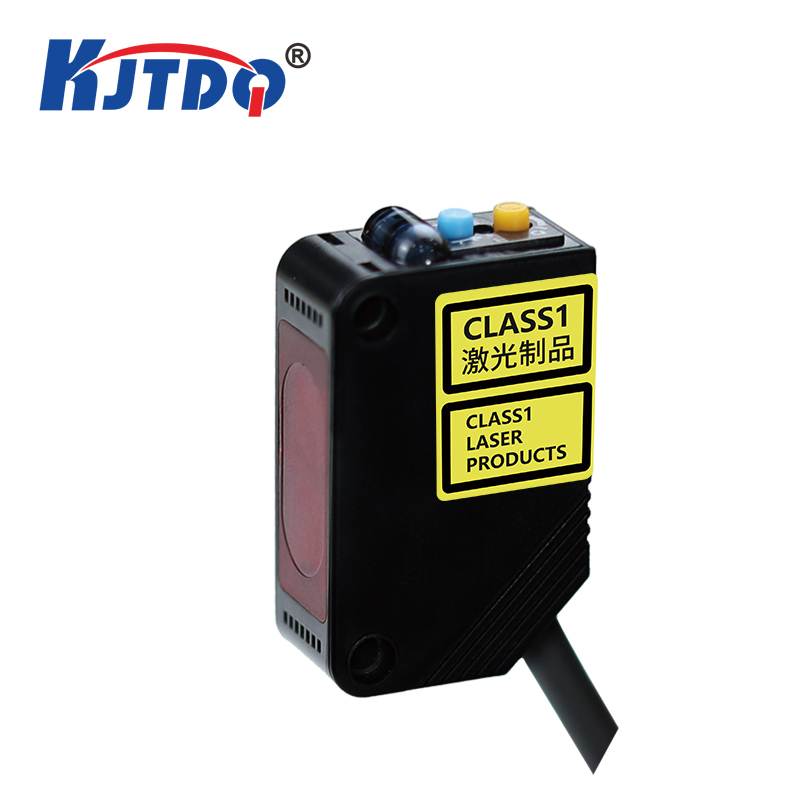
In the realm of industrial automation and machinery control, precision and reliability are paramount. One often-overlooked yet critical component that ensures these qualities is the IR limit switch. This device plays a vital role in monitoring and controlling the movement of equipment, preventing over-travel and potential damage. An IR limit switch, or infrared limit switch, operates by emitting an infrared beam to detect the presence or absence of an object within its range. When the beam is interrupted by an object, the switch triggers a signal that can stop a motor, activate a safety mechanism, or initiate another programmed action. This functionality is essential in applications such as conveyor systems, robotic arms, and packaging machinery, where accurate positioning is crucial for efficiency and safety.
The working principle of an IR limit switch is based on infrared technology, which uses light waves just beyond the visible spectrum. Unlike mechanical limit switches that rely on physical contact, IR switches offer non-contact detection, reducing wear and tear and minimizing maintenance needs. This makes them ideal for harsh environments where dust, moisture, or high temperatures might compromise traditional switches. For instance, in manufacturing plants, IR limit switches can reliably operate in areas with heavy particulate matter without false triggers, ensuring continuous production flow. Additionally, their fast response time and high accuracy contribute to improved operational speed and reduced downtime, key factors in optimizing productivity.
When selecting an IR limit switch for a specific application, several factors must be considered. These include sensing range, output type (such as digital or analog), environmental resistance, and compatibility with existing control systems. Modern IR limit switches often come with adjustable settings, allowing users to fine-tune sensitivity and detection thresholds to match their needs. Integration with programmable logic controllers (PLCs) and other automation software further enhances their versatility, enabling seamless communication within complex networks. As industries increasingly adopt smart manufacturing practices, the demand for advanced IR limit switches that support IoT connectivity and data analytics is growing, paving the way for predictive maintenance and real-time monitoring.
In conclusion, the IR limit switch is a fundamental element in automation systems, offering non-contact, reliable detection that enhances safety and efficiency. Its adoption across various sectors, from automotive to food processing, underscores its importance in modern industrial operations. By understanding its features and applications, businesses can make informed decisions to upgrade their equipment and stay competitive in a rapidly evolving technological landscape. As automation continues to advance, innovations in IR limit switch design will likely focus on increased durability, energy efficiency, and smarter functionalities, driving further improvements in machine performance and operational cost savings.