check

check

check

check

check

check
In industrial automation and machinery control, precision and reliability are non-negotiable. Among the myriad components that ensure seamless operation, the paddle limit switch stands out as a critical yet often overlooked device. This guide delves into the functionality, applications, and selection criteria for paddle limit switches, providing essential insights for engineers and maintenance professionals.
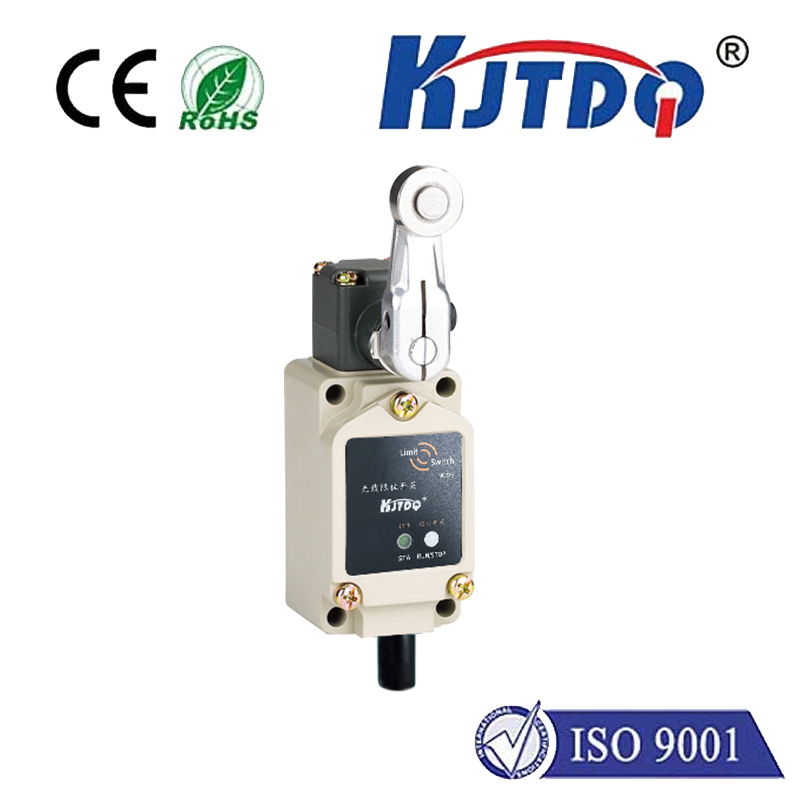
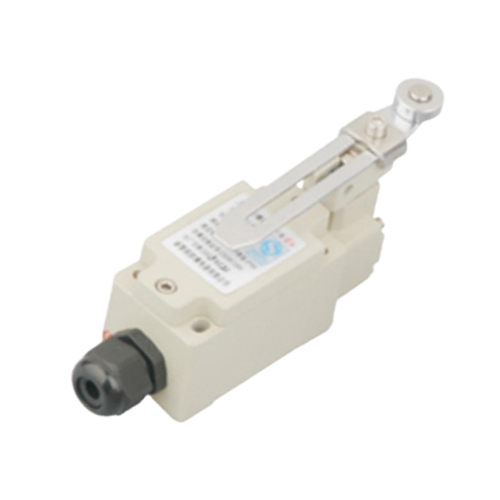
A paddle limit switch is a type of mechanical switch activated by physical contact with a moving object, typically via a lever or "paddle." When an object, such as a part on a conveyor belt or a door, makes contact with the paddle, it triggers the switch to change state—either opening or closing an electrical circuit. This simple action sends a signal to a control system, indicating the object's presence, position, or limit, thereby enabling automated control sequences, safety interlocks, or process monitoring.
The design of a paddle limit switch is tailored for durability in harsh environments. Most models feature robust housings made from materials like stainless steel or industrial-grade plastics, offering resistance to dust, moisture, and mechanical impact. The paddle itself is often adjustable, allowing for fine-tuning of the activation point to suit specific applications. Common configurations include single-pole or double-pole switches, with options for normally open (NO) or normally closed (NC) contacts, providing flexibility in circuit design.
Applications of paddle limit switches span various industries. In material handling, they are used to detect the presence of items on conveyors, preventing jams and ensuring smooth flow. In packaging machinery, they monitor product positioning for accurate sealing or labeling. In automated doors and gates, they serve as safety devices, halting movement if an obstruction is detected. Additionally, they play a role in agricultural equipment, manufacturing lines, and even elevator systems, where reliable limit detection is crucial for operational safety and efficiency.
Selecting the right paddle limit switch involves several considerations. First, assess the environmental conditions, such as temperature extremes, exposure to chemicals, or potential for washdowns, to choose a model with an appropriate ingress protection (IP) rating. Next, determine the mechanical requirements, including the paddle's length and material, to ensure it can withstand the expected force and frequency of contact. Electrical specifications, such as voltage, current rating, and contact type, must align with the control system's needs. Finally, consider mounting options and ease of installation to minimize downtime during maintenance or replacement.
Installation and maintenance are straightforward but vital for optimal performance. Mount the switch securely in a location where the paddle can interact reliably with the target object, avoiding areas prone to vibration or accidental contact. Regularly inspect the paddle for wear or damage, and test the switch's operation to ensure it triggers consistently. Lubrication of moving parts may be necessary in high-cycle applications to prolong service life. By adhering to these practices, users can prevent unexpected failures and maintain system integrity.
In comparison to other sensing technologies like proximity sensors or photoelectric switches, paddle limit switches offer distinct advantages. They are inherently simple, with no need for external power in basic mechanical forms, making them cost-effective and easy to integrate. Their tactile nature provides a direct, physical confirmation of contact, which can be more reliable in dirty or opaque environments where optical sensors might falter. However, they may not be suitable for high-speed applications where non-contact sensing is preferred to reduce wear.
Innovations in paddle limit switch design continue to enhance their utility. Modern versions may incorporate sealed contacts for use in wet conditions, or include LED indicators for visual status feedback. Some advanced models integrate with digital networks, enabling remote monitoring and diagnostics. Despite these advancements, the core principle remains unchanged: providing a dependable means of detecting physical limits to safeguard equipment and processes.
For businesses seeking to improve machine reliability, investing in quality paddle limit switches is a prudent step. By understanding their operation and applications, professionals can make informed decisions that enhance automation systems, reduce downtime, and ensure safety. As industry evolves, these versatile switches will remain a cornerstone of effective control strategies, proving that sometimes, the simplest solutions are the most enduring.