check

check

check

check

check

check
In the intricate world of 3D printing, where digital designs materialize into physical objects layer by layer, precision is paramount. Every component plays a crucial role in this dance of creation, and among the most critical yet often overlooked is the humble limit switch. This small electromechanical device acts as the 3D printer's sense of touch, defining the boundaries of its movement and ensuring every print starts from a known, perfect zero point.
A limit switch is fundamentally a sensor. It is strategically positioned at the ends of each axis of motion—typically the X, Y, and Z axes. When the printer's moving carriage, bed, or gantry reaches the end of its travel, it physically triggers the switch. This action sends a clear electrical signal back to the printer's main controller board, stating, "I have reached this boundary." This process, known as "homing," is the first action any printer performs upon startup. It calibrates its position in space, creating a consistent reference frame for the entire print job. Without accurate homing, the nozzle might try to print in mid-air or crash into the build plate, leading to failed prints, wasted filament, and potential damage.
The importance of a properly functioning limit switch cannot be overstated. It is the guardian of print consistency and printer longevity. First, it ensures dimensional accuracy. If the switch on the Z-axis is misaligned or faulty, the first layer height will be inconsistent. This can cause poor bed adhesion, layer shifting, or an uneven bottom surface. On the X and Y axes, inaccurate homing leads to prints that are skewed or misaligned, ruining the geometry of the model. Second, it prevents mechanical damage. By definitively stopping movement at a set point, the switch prevents motors from straining against physical end-stops, protecting belts, pulleys, rods, and the stepper motors themselves from excessive wear or catastrophic failure.
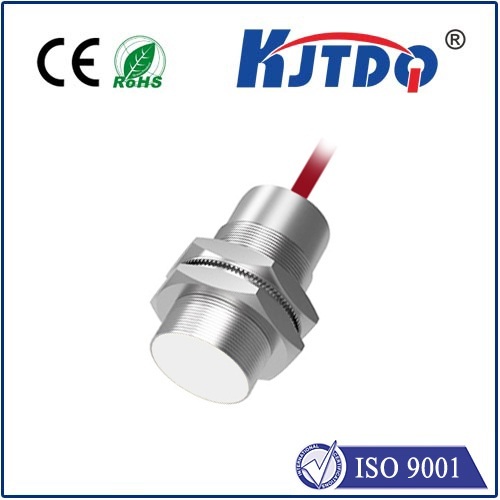
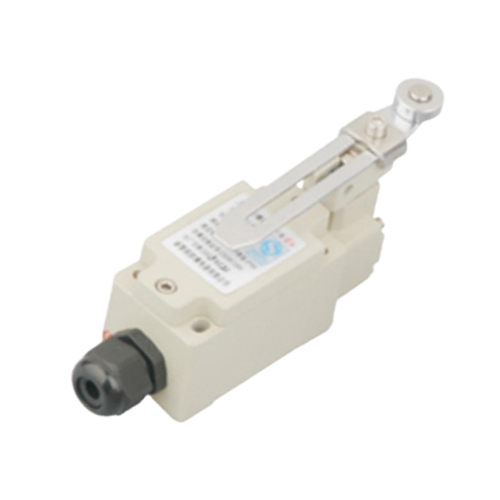
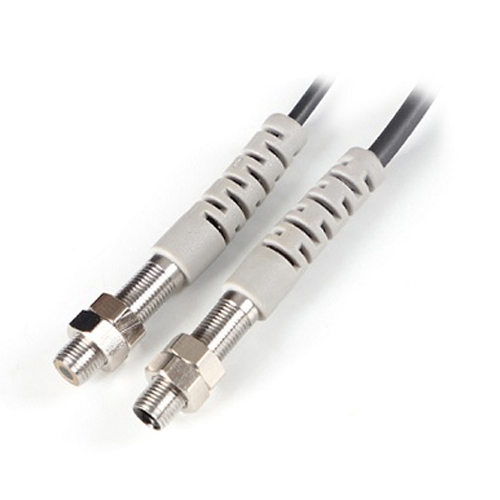
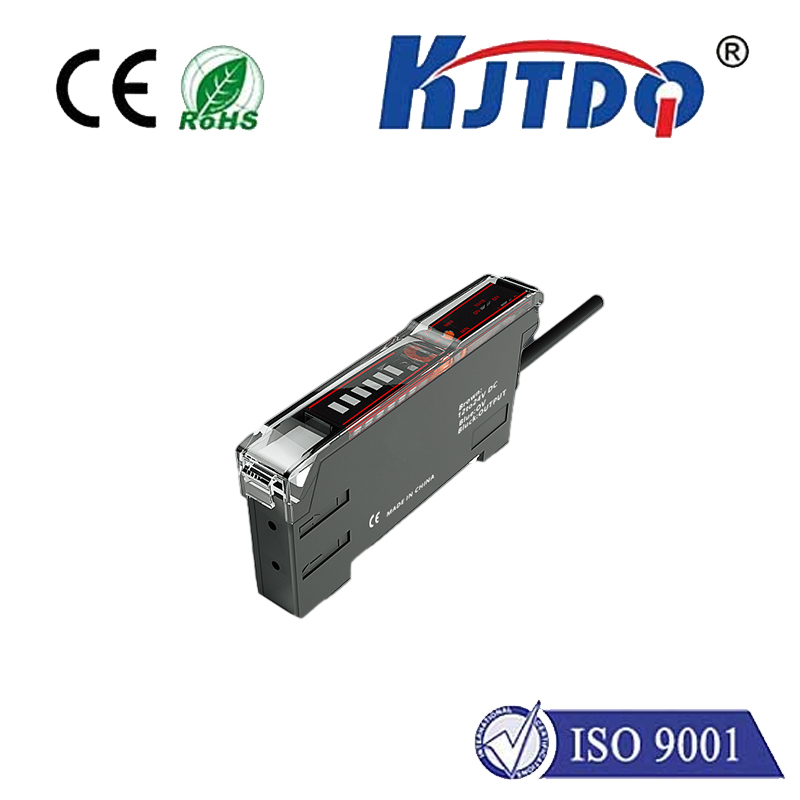
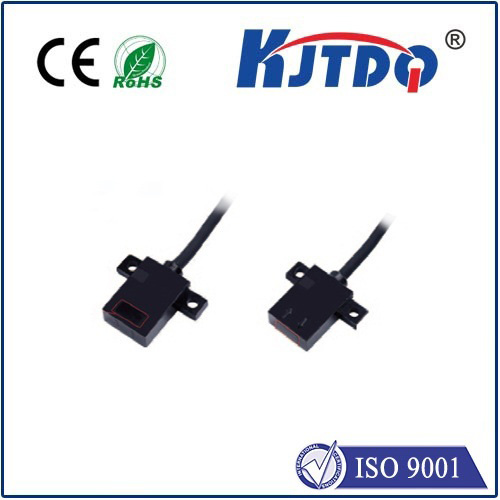
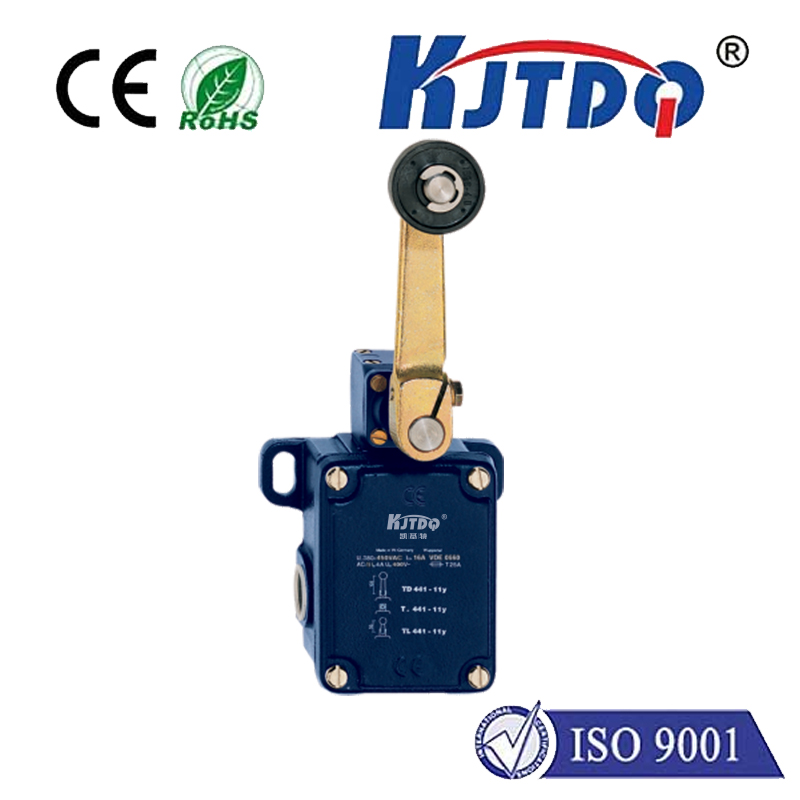
Several types of limit switches are commonly used in 3D printers. The most traditional is the mechanical micro-switch, known for its audible "click," reliability, and low cost. Optical switches use an infrared beam and a sensor; triggering occurs when the beam is interrupted. These are contactless, offering silent operation and no physical wear, but can be susceptible to dust or ambient light. Magnetic switches, often Hall effect sensors, are triggered by the proximity of a magnet. They are also contactless and highly reliable, frequently found in more advanced printer designs. Each type has its place, with mechanical switches being the workhorse of many consumer-grade machines.
Troubleshooting limit switch issues is a common task for 3D printer users. Symptoms of a problem are often clear: the printer fails to home correctly, grinding or stuttering at the end of an axis; it homes to a point that is visibly off-center; or it triggers an error message related to homing or endstops. The most frequent fixes involve checking the physical mounting. Over time, vibration can loosen the switch or its bracket, changing its trigger point. Simply tightening the screws can resolve many issues. Next, inspect the actuator arm on mechanical switches for damage or fatigue. The wiring is another critical check; look for loose connections at the switch or the control board, or for wires that have frayed or broken from repeated bending. For optical switches, cleaning the lens of any dust or filament debris is essential.
For enthusiasts looking to upgrade or modify their printers, understanding limit switches opens new doors. Replacing a noisy mechanical switch with a silent optical or magnetic switch can significantly reduce printer noise. Implementing dual endstops on the Z-axis, using two switches, can assist in manually or automatically tramming (leveling) the gantry for perfect parallelism with the build plate, a feature on many modern bedslinger printers. When designing a custom printer or coreXY machine, the choice and placement of limit switches are fundamental design considerations that directly impact reliability and precision.
In conclusion, the 3D printer limit switch is a quintessential example of a simple component enabling complex technology. It is the unsung hero that provides the foundational spatial awareness for every print. By ensuring it is correctly installed, maintained, and understood, users can achieve a significant leap in print reliability, accuracy, and overall machine health. In the pursuit of the perfect print, paying close attention to these small sensors is not just recommended; it is absolutely essential for consistent success.