check

check

check

check

check

check
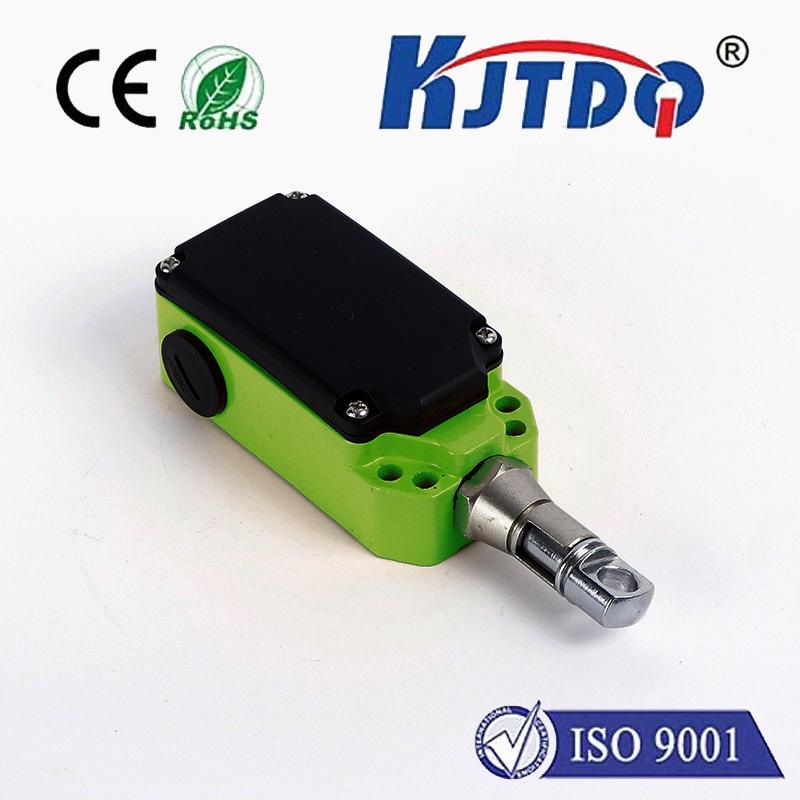
In industrial automation and control systems, the reliable operation of machinery often hinges on critical safety and control components. Among these, the 220V limit switch stands as a fundamental device, designed to detect the presence or absence of an object or to monitor the limits of mechanical motion. Operating at a standard industrial voltage of 220 volts AC, this electromechanical switch plays a pivotal role in ensuring both operational precision and safety across numerous applications.
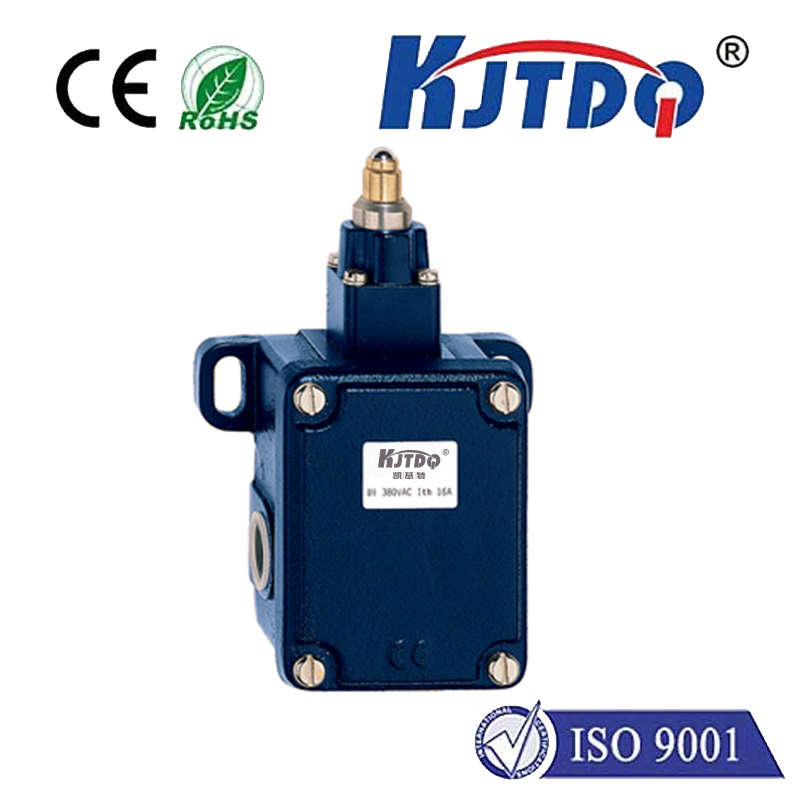
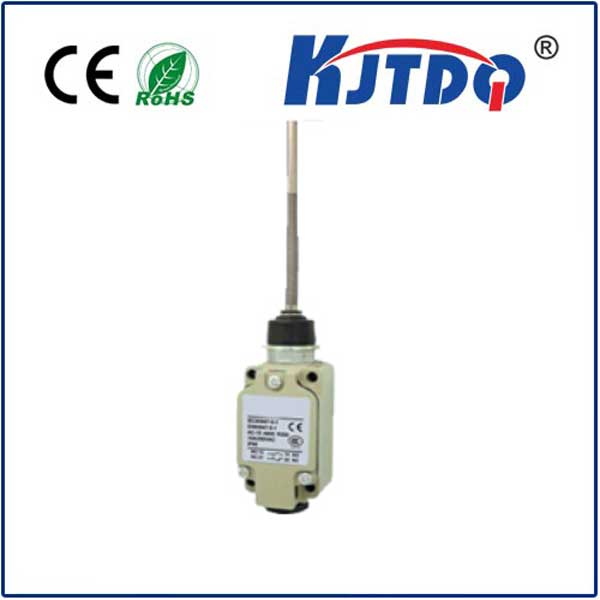
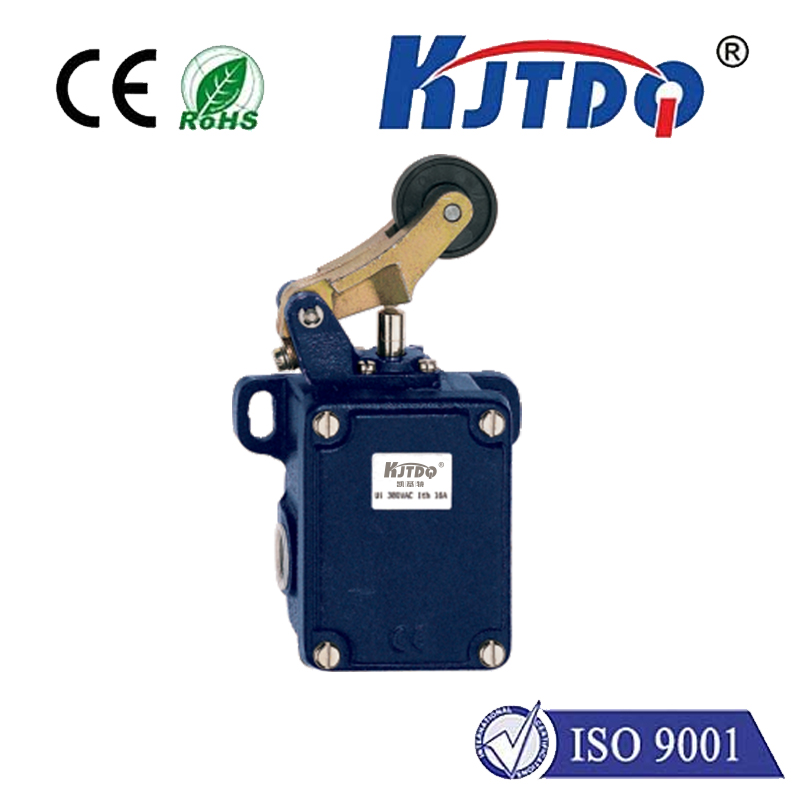
A 220V limit switch typically functions by employing an actuator—such as a lever, roller, or plunger—that is physically triggered by the motion of a machine part. When the actuator is moved from its normal position, it causes the internal electrical contacts to change state, either opening or closing a circuit. This action sends a signal to a control system, such as a programmable logic controller (PLC), which can then initiate a specific response. Common responses include stopping a motor, reversing direction, activating an alarm, or sequencing the next stage in an automated process. The 220V rating indicates its suitability for direct integration into standard industrial power circuits common in many regions, reducing the need for additional control voltage transformers.
The selection of a 220V limit switch depends heavily on the specific demands of the application. Key considerations include the mechanical durability required, the type of actuator best suited for the triggering motion, environmental protection ratings (such as IP67 for dust and water resistance), and the electrical specifications like current rating and contact configuration (e.g., normally open or normally closed). In harsh industrial environments—found in material handling, packaging lines, metalworking, and automotive assembly—robustly constructed limit switches are essential. They must withstand exposure to vibration, moisture, temperature extremes, and physical impact to maintain long-term reliability and prevent costly downtime.
Installation and maintenance are straightforward but require attention to detail. Proper mounting alignment is crucial to ensure the actuator is engaged correctly by the moving part without excessive force or missed triggers. Regular inspection for wear on the actuator mechanism and periodic checking of electrical contact integrity help prevent unexpected failures. Troubleshooting common issues often involves verifying the physical actuation, testing for continuity at the switch terminals, and ensuring the connected 220V control circuit is functioning correctly.
Beyond basic limit detection, modern 220V limit switches can be integral to sophisticated safety interlock systems. They serve as primary devices in preventing over-travel of machine components, such as crane bridges or conveyor trolleys, thereby protecting both equipment and personnel. Their simple, direct-wired interface offers a high degree of reliability that is sometimes preferred over more complex proximity sensors in safety-critical functions.
In summary, the 220V limit switch remains a cornerstone of industrial control. Its electromechanical design offers proven reliability, direct compatibility with industrial power systems, and a clear, unambiguous signal for machine control and safety. For engineers and maintenance technicians, a thorough understanding of its operation, selection criteria, and maintenance practices is key to optimizing machine performance and ensuring a safe working environment. As automation evolves, this fundamental component continues to adapt, with newer models offering enhanced sealing, longer mechanical life, and compatibility with modern control architectures, securing its place on the factory floor for the foreseeable future.