check

check

check

check

check

check
In the world of electrical components, precision and durability are paramount. The 1a 125vac micro switch stands as a critical player in ensuring reliable circuit control across a myriad of applications. This compact yet robust device is engineered to handle specific electrical loads—1 ampere at 125 volts alternating current—making it a staple in industries where safety and performance cannot be compromised.
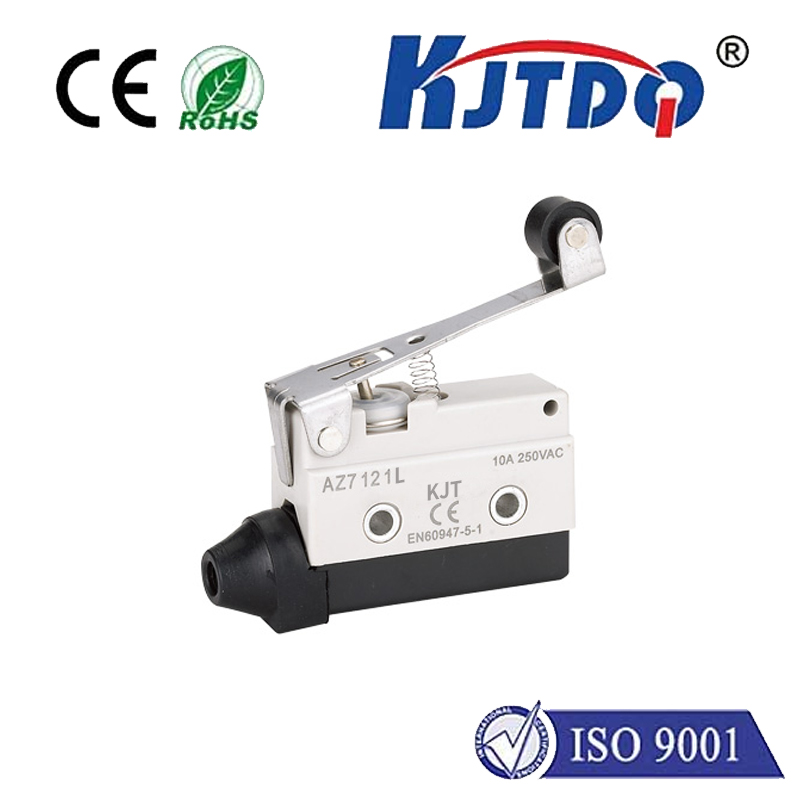
Micro switches, or miniature snap-action switches, are designed for applications requiring a high degree of accuracy and repeatability. The 1a 125vac rating indicates its capacity to manage low-current circuits effectively, often found in household appliances, automotive systems, and industrial machinery. What sets this micro switch apart is its snap-action mechanism, which ensures quick and decisive contact operation, minimizing arcing and extending the switch's lifespan. This feature is crucial for maintaining consistent performance in devices that undergo frequent cycling, such as printers, vending machines, or safety interlocks.
The construction of a 1a 125vac micro switch typically involves high-quality materials like silver alloy contacts and durable thermoplastic housings. These materials provide excellent electrical conductivity and resistance to environmental factors such as dust, moisture, and temperature fluctuations. For instance, in a home appliance like a microwave oven, this micro switch might be used as a door interlock, cutting power when the door is open to prevent accidents. Its ability to operate reliably under 125vac ensures it meets standard household voltage requirements while handling the rated current without overheating or failure.
When selecting a micro switch for a project, understanding its electrical specifications is vital. The 1a 125vac rating means the switch can safely interrupt currents up to 1 ampere at 125 volts AC. Exceeding these limits can lead to premature wear or hazardous conditions. Engineers and technicians often choose this switch for low-power control circuits, where it acts as a sensor or trigger. For example, in an automotive context, it might be integrated into brake pedals or seatbelt systems, providing feedback to electronic control units. The switch's small size allows for easy integration into tight spaces without sacrificing functionality.
Installation and maintenance of the 1a 125vac micro switch are straightforward, but attention to detail is key. Proper mounting ensures the actuator—whether lever, roller, or button—engages correctly with the moving part it monitors. Misalignment can cause false triggers or mechanical stress. Regular inspections for contact wear or debris buildup help prevent malfunctions. In industrial settings, these switches are often part of larger safety systems, where failure could result in downtime or risks. Thus, sourcing from reputable manufacturers who adhere to international standards, such as UL or CE certifications, is recommended for guaranteed reliability.
Innovations in micro switch technology continue to enhance their application. Modern versions may include sealed designs for waterproofing or enhanced actuator options for specific mechanical movements. The 1a 125vac micro switch remains a versatile component, adapting to evolving needs in automation and electronics. Its role in energy-efficient devices, like smart home thermostats or renewable energy controls, underscores its importance in modern engineering. By providing precise switching action, it contributes to overall system efficiency and user safety.
In summary, the 1a 125vac micro switch is more than just a simple component; it is a cornerstone of effective circuit management. Its design balances compactness with robust performance, making it indispensable in both consumer and industrial realms. Whether you're designing a new product or maintaining existing equipment, understanding its capabilities ensures optimal integration. As technology advances, this micro switch will likely continue to evolve, but its core principle of reliable, snap-action control will remain unchanged, powering the devices we rely on daily.