check

check

check

check

check

check
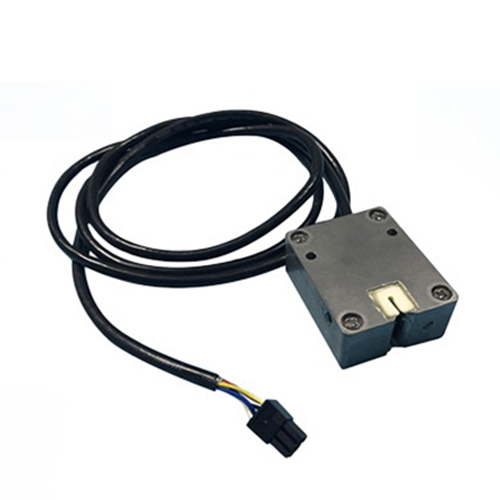
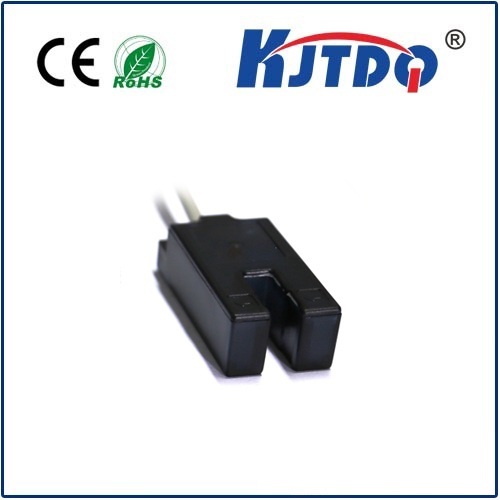
In the world of industrial automation, precision and reliability are non-negotiable. The GLD3-RT/95/147 photoelectric frame sensor stands as a testament to this principle, offering a robust solution for object detection, positioning, and quality control across diverse applications. This advanced sensor utilizes a through-beam principle, where a transmitter and receiver are housed within a sturdy U-shaped frame. When an object passes through this frame, it interrupts the light beam, triggering an immediate and accurate output signal. This design makes it exceptionally effective for detecting objects of varying shapes, sizes, and surface properties, even transparent or highly reflective items that challenge other sensor types.
The core strength of the GLD3-RT/95/147 lies in its specific engineering. The "95" and "147" typically denote critical dimensions—the aperture size and possibly the depth or height—defining its physical profile and the space available for objects to pass through. This precise framing ensures consistent detection within a defined area, eliminating errors from peripheral interference. Its construction is geared for harsh industrial environments, featuring durable materials that resist dust, moisture, and mechanical impact. Many models incorporate advanced optics and signal processing circuits that compensate for ambient light variations, ensuring stable operation under fluctuating conditions.
Typical applications for this sensor are vast and critical. On high-speed packaging lines, it verifies the presence of products in cartons or counts items as they pass. In automotive assembly, it ensures components are correctly positioned before a robotic weld or installation step. Within the electronics industry, it can detect the presence of circuit boards on conveyors or confirm the orientation of small components. The through-beam frame design is particularly advantageous for tasks requiring detection across a wide area without the need for precise alignment of separate units, simplifying installation and maintenance.
Selecting the right photoelectric frame sensor requires careful consideration of several factors beyond the basic model number. The operating range, defined by the frame's aperture, must accommodate the size of the target objects. Response time is crucial for high-speed production lines; the GLD3-RT series is designed for rapid switching to keep pace. Output type (e.g., NPN, PNP, relay) must be compatible with the existing control system, such as a PLC. Environmental ratings for temperature, ingress protection (IP code), and resistance to specific chemicals are vital for long-term reliability in challenging settings.
Installation and alignment, though simpler than opposed-mode sensors with separate components, still demand attention. The sensor frame must be securely mounted to prevent vibration-induced misalignment. Ensuring the path through the frame is clear of obstructions that could cause false triggers is essential. Regular maintenance involves keeping the lens surfaces clean from dirt, oil, or debris that could attenuate the light beam, and periodically checking the electrical connections for integrity.
Compared to alternative technologies like diffuse reflective sensors or proximity sensors, the GLD3-RT/95/147 frame sensor offers superior reliability for through-beam applications. It provides a consistent detection field and is less sensitive to the color, texture, or angle of the target object. While inductive or capacitive sensors might be better for metal detection or liquid level sensing, nothing matches the versatility and long-range accuracy of a robust photoelectric frame sensor for general-purpose object interruption detection.
In conclusion, the GLD3-RT/95/147 photoelectric frame sensor is a cornerstone component for modern automation. Its design prioritizes accuracy, durability, and ease of integration, making it a trusted choice for engineers and system integrators. By providing a dependable "yes" or "no" regarding object presence within its defined frame, it enables smoother operations, reduces waste, and enhances overall production quality. For any application demanding non-contact, reliable detection within a specific spatial window, this sensor model represents a proven and effective technological solution.