check

check

check

check

check

check
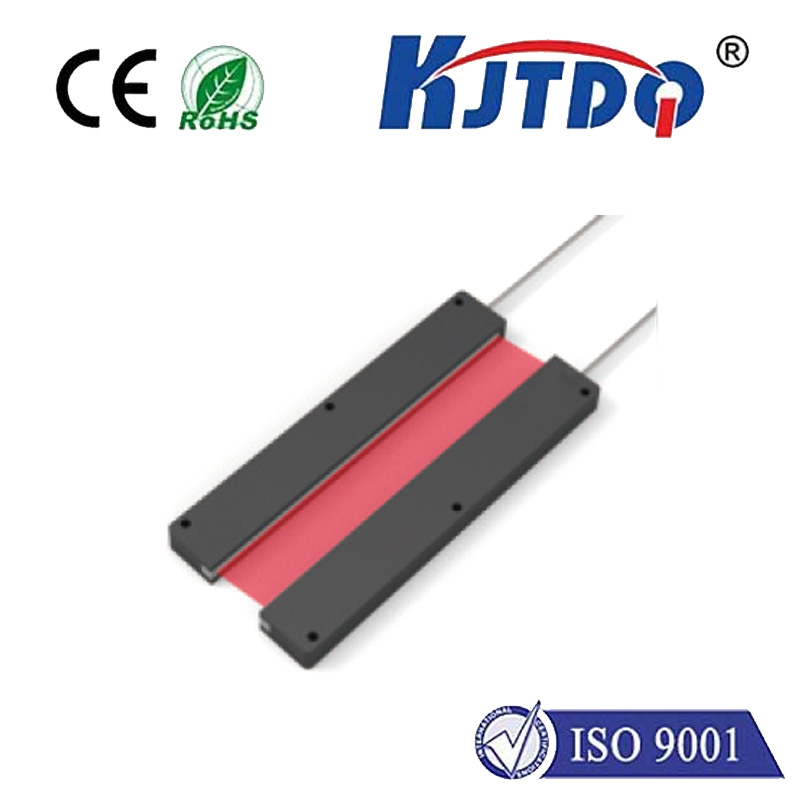
In modern industrial automation, achieving consistent precision in label detection remains a critical challenge for production lines across packaging, printing, and manufacturing sectors. The introduction of the groove photoelectric sensor G2R series, particularly equipped with self-adjustment capabilities, marks a significant leap forward in addressing this need. This advanced sensor technology is engineered to deliver reliable performance even in demanding environments where variations in material, color, or positioning might otherwise lead to errors.
The core innovation of the G2R label sensor lies in its self-adjustment feature, which allows the device to automatically calibrate its sensitivity based on the detected label characteristics. Traditional photoelectric sensors often require manual tuning when faced with different label types or background surfaces, leading to downtime and potential inaccuracies. With the G2R’s self-adjustment function, the sensor continuously monitors the reflection from the target and adjusts its threshold in real-time. This ensures stable detection of labels with varying reflectivity, such as glossy, matte, or transparent materials, without human intervention. The result is a substantial reduction in setup time and maintenance efforts, enabling smoother production flows and higher throughput.
Another key advantage of the groove design in the G2R sensor is its ability to provide precise, focused detection within a narrow slot. This configuration minimizes interference from ambient light or surrounding objects, which is common in busy industrial settings. By concentrating the light beam through the groove, the sensor achieves enhanced accuracy in distinguishing labels from their backing or conveyor surfaces. This is especially beneficial for applications involving fast-moving items or small label sizes, where even minor detection failures can cause jams, misalignments, or product waste. The robust construction of the G2R also ensures durability against dust, moisture, and mechanical vibrations, making it suitable for long-term use in harsh conditions.
Implementing the G2R label sensor with self-adjustment technology can lead to notable improvements in operational efficiency. For instance, in packaging lines where labels are applied to bottles, boxes, or containers, the sensor’s ability to adapt to different colors and textures reduces the need for multiple sensor types or frequent recalibrations. This versatility translates into cost savings and flexibility for manufacturers dealing with diverse product ranges. Additionally, the sensor’s quick response time and high repeat accuracy contribute to minimizing false triggers and ensuring that every labeled item is correctly identified and processed.
From a technical perspective, the G2R sensor operates on the principle of diffuse reflection, emitting infrared or visible light and measuring the amount reflected back from the target. The self-adjustment algorithm intelligently analyzes this data to set optimal detection parameters, effectively handling challenges like label wrinkles, skewed placement, or background noise. Users can further customize settings via intuitive interfaces or external controllers, though the default auto-mode often suffices for most scenarios. This plug-and-play functionality makes the sensor accessible even to operators with limited technical expertise, streamlining integration into existing systems.
In summary, the groove photoelectric sensor G2R with self-adjustment represents a smart solution for modern labeling and detection tasks. By combining precise groove-based sensing with adaptive automation, it addresses common pain points in industrial environments, from reducing manual adjustments to enhancing detection reliability. As industries continue to prioritize efficiency and accuracy, technologies like the G2R label sensor are poised to play a pivotal role in optimizing production processes and maintaining competitive edges. For businesses seeking to upgrade their automation toolkit, investing in such innovative sensors can yield tangible benefits in productivity, quality control, and overall operational resilience.