check

check

check

check

check

check
In an era where technology seamlessly integrates with daily life, the photoelectric water sensor emerges as a pivotal component in modern water management and safety systems. Unlike traditional mechanical float switches, this advanced device operates on a principle of light refraction, offering unparalleled reliability and precision. This guide delves into the workings, applications, and critical benefits of photoelectric water sensors, explaining why they are becoming the standard for intelligent water monitoring.
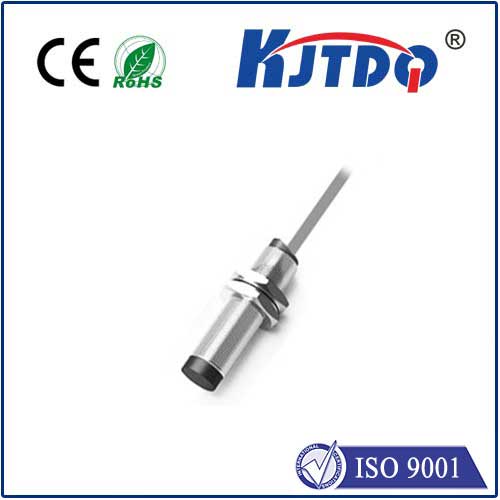
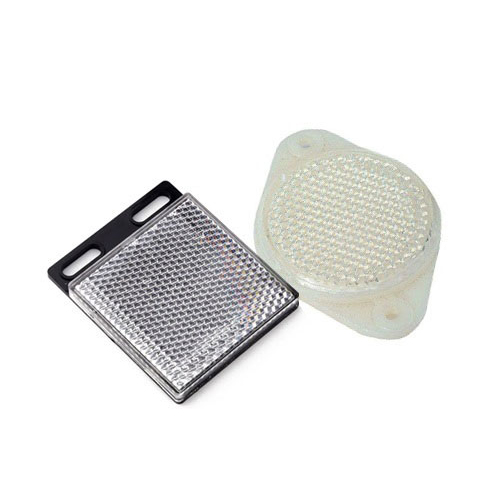
At its core, a photoelectric water sensor utilizes an infrared LED and a phototransistor. In a dry state, the infrared light from the LED reflects internally within a specially designed prism and is detected by the phototransistor. When water rises and comes into contact with the prism, the light refracts out into the liquid, causing a significant drop in the light received by the sensor. This change triggers an electrical signal, indicating the presence of water. This optical method is entirely non-mechanical, eliminating issues related to moving parts like sticking, corrosion, or wear, which commonly plague float switches.
The applications for these sensors are vast and critical. In residential settings, they are the first line of defense against costly water damage. Installed near water heaters, washing machines, dishwashers, and in basement sump pits, they provide early warnings of leaks or flooding, allowing homeowners to take immediate action before minor issues escalate into major disasters. Commercially and industrially, their importance multiplies. Data centers, server rooms, and telecommunications facilities rely on them to protect millions of dollars worth of equipment from coolant leaks or pipe failures. In manufacturing plants, they monitor cooling systems and process water lines, ensuring operational continuity and safety.
One of the most significant advantages of the photoelectric water sensor is its exceptional accuracy and stability. Because the sensing element is isolated from the environment within a housing, it is less susceptible to false triggers from debris, air bubbles, or water turbulence. This makes it ideal for monitoring various liquid types, including clean water, slightly contaminated water, and even some chemicals, depending on the sensor's material construction, typically high-grade plastics like PP or PVC. Furthermore, their design allows for installation in any orientation, providing immense flexibility in tight or awkward spaces where a float switch would be impractical.
Integration is another key strength. Modern photoelectric water sensors are designed for seamless connectivity. They can be easily wired into building automation systems, security panels, or smart home ecosystems. When a leak is detected, the sensor can send instant alerts via SMS, email, or mobile app notifications, and can be programmed to automatically shut off the main water supply via a connected solenoid valve. This level of automation transforms passive detection into an active prevention system.
For industries with stringent safety and compliance requirements, such as pharmaceuticals, food and beverage, and water treatment facilities, the reliability and hygienic properties of photoelectric sensors are indispensable. Their smooth, crevice-free design prevents bacterial growth and allows for easy cleaning, meeting strict sanitary standards. Their long operational life and minimal maintenance requirements translate directly into lower total cost of ownership and reduced operational downtime.
When selecting a photoelectric water sensor, several factors must be considered. The sensing range, output type (e.g., digital on/off or analog), power requirements, and the IP (Ingress Protection) rating for dust and water resistance are crucial specifications. The material compatibility with the target liquid is also paramount to ensure chemical resistance and longevity. Proper installation, following manufacturer guidelines for placement and calibration, is essential to achieve optimal performance.
In conclusion, the photoelectric water sensor represents a sophisticated leap forward in liquid level detection technology. By offering a reliable, maintenance-free, and highly integrable solution, it addresses the growing need for proactive water management in both smart homes and complex industrial environments. Its ability to provide early, accurate warnings empowers users to prevent damage, conserve resources, and maintain seamless operations, solidifying its role as an essential tool for modern infrastructure and safety protocols.