check

check

check

check

check

check
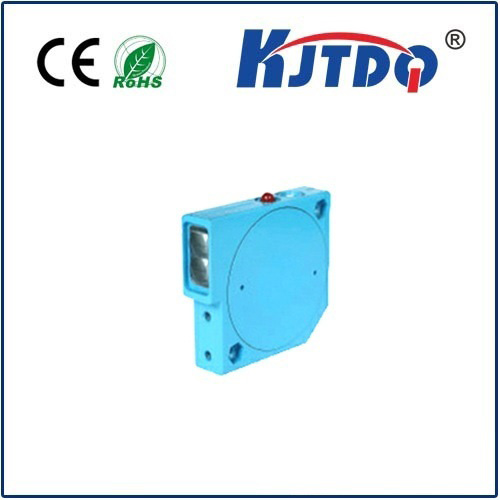
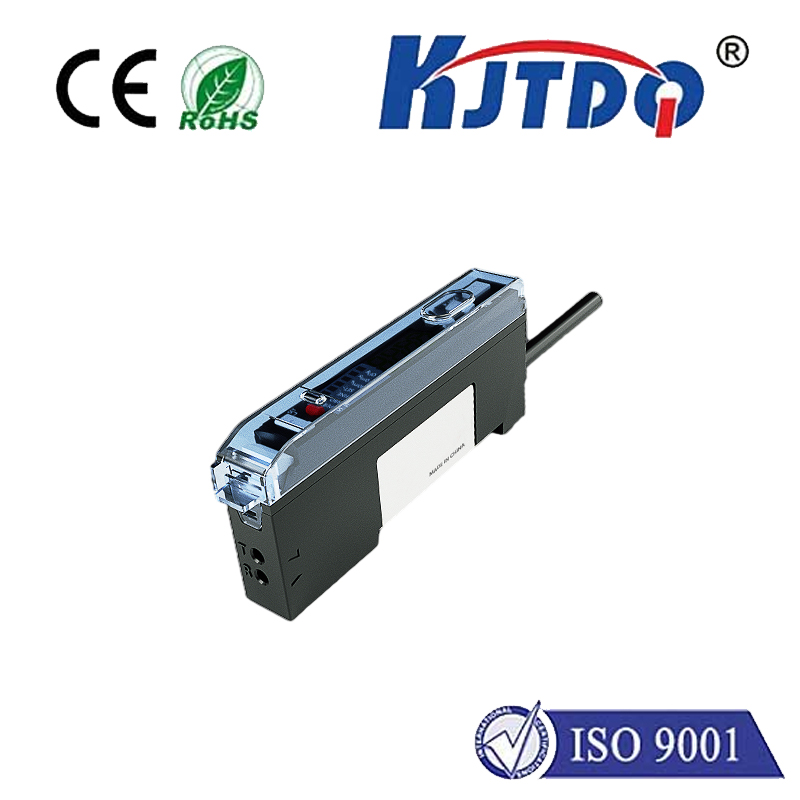
In the rapidly evolving landscape of industrial automation, the digital photoelectric sensor stands as a cornerstone technology, driving unprecedented levels of precision, reliability, and efficiency. Unlike its analog predecessors, the digital photoelectric sensor converts detected light signals directly into discrete digital outputs, providing clear, noise-resistant signals that are instantly compatible with modern programmable logic controllers (PLCs) and computer systems. This fundamental shift offers a leap in performance for countless applications, from intricate assembly lines to robust packaging machinery.
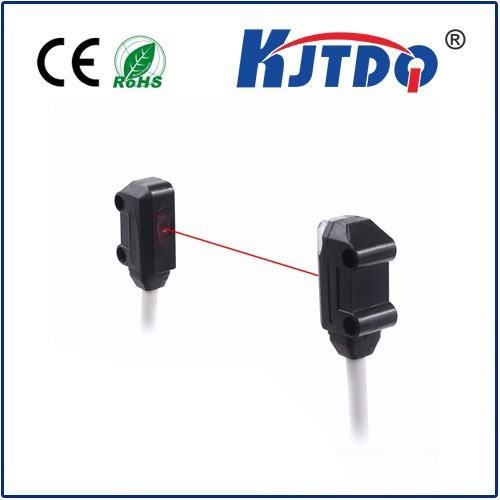
The core principle of a photoelectric sensor involves emitting a light beam—typically infrared, visible red, or laser—and detecting changes in the received light. A digital photoelectric sensor precisely quantifies this reception. When the target object interrupts or reflects the beam, the sensor's internal circuitry triggers a crisp, binary switch signal: ON or OFF. This digital clarity eliminates the ambiguity of analog signal drift, ensuring consistent detection regardless of environmental electrical interference. The result is a drastic reduction in false triggers and system errors, which directly translates to higher product quality and reduced downtime.
One of the most significant advantages of the digital photoelectric sensor is its exceptional versatility, available in three primary operational modes. The through-beam type, with separate emitter and receiver units, offers the longest sensing distances and highest reliability for clear object detection. The retro-reflective type uses a single unit and a reflector, ideal for detecting objects over moderate distances. Finally, the diffuse-reflective type senses objects by detecting the light reflected directly from the target itself, providing a compact solution for proximity sensing. Digital intelligence enhances each type with features like adjustable sensing thresholds, teach-in functionality for easy setup, and stable output even when detecting varied or glossy surfaces.
Integration into automated systems is remarkably straightforward. The clean digital output simplifies wiring and communication, allowing for seamless data exchange within the Industrial Internet of Things (IIoT) ecosystem. Modern digital photoelectric sensors often come with IO-Link capability, enabling not only status reporting but also remote configuration, diagnostics, and predictive maintenance alerts. This connectivity empowers engineers to monitor sensor health, adjust parameters on the fly, and preemptively address issues before they cause production halts, maximizing overall equipment effectiveness (OEE).
The applications are virtually limitless. In material handling, digital photoelectric sensors accurately detect the presence, position, and height of boxes on a conveyor, ensuring smooth sorting and routing. In automotive manufacturing, they guarantee components are correctly positioned for robotic welding or assembly with micron-level precision. In packaging, they count products, verify label placement, and control fill levels. Their robustness, with high ingress protection (IP) ratings, allows them to perform consistently in challenging environments filled with dust, moisture, or vibration.
Choosing the right digital photoelectric sensor requires careful consideration of the specific application needs. Key factors include the required sensing distance, the size and material of the target object, the required response speed, and the environmental conditions. Leading manufacturers offer extensive portfolios with varied housing designs, beam types, and output configurations to meet every conceivable industrial challenge. The initial investment is quickly offset by gains in productivity, yield, and system intelligence.
As Industry 4.0 continues to mature, the role of the digital photoelectric sensor will only expand. Its ability to provide reliable, communicable data makes it a fundamental enabler of smart factories. By converting physical presence into unambiguous digital information, the KJTDQ digital photoelectric sensor is not just a component; it is a critical data point that fuels automated decision-making, creating leaner, more responsive, and more competitive manufacturing operations worldwide. Its adoption is a clear step toward building a more connected and intelligent industrial future.