check

check

check

check

check

check
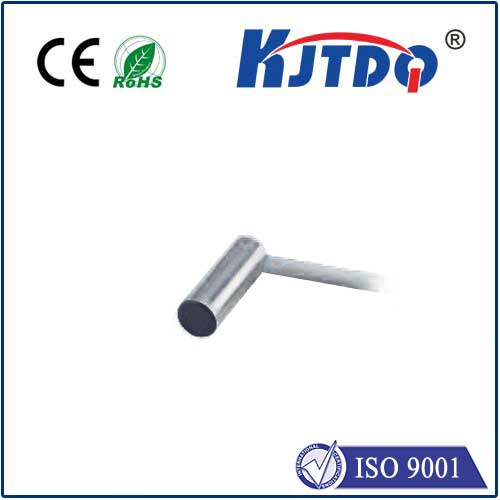
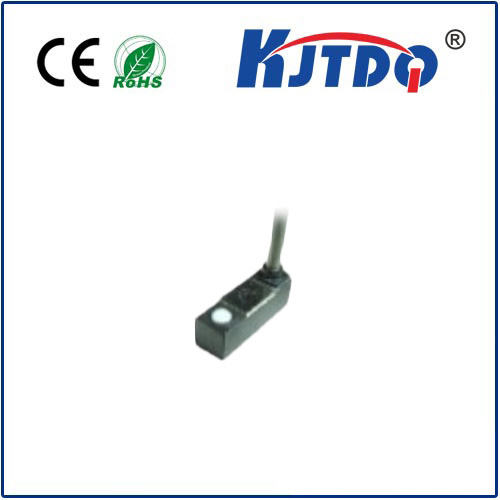
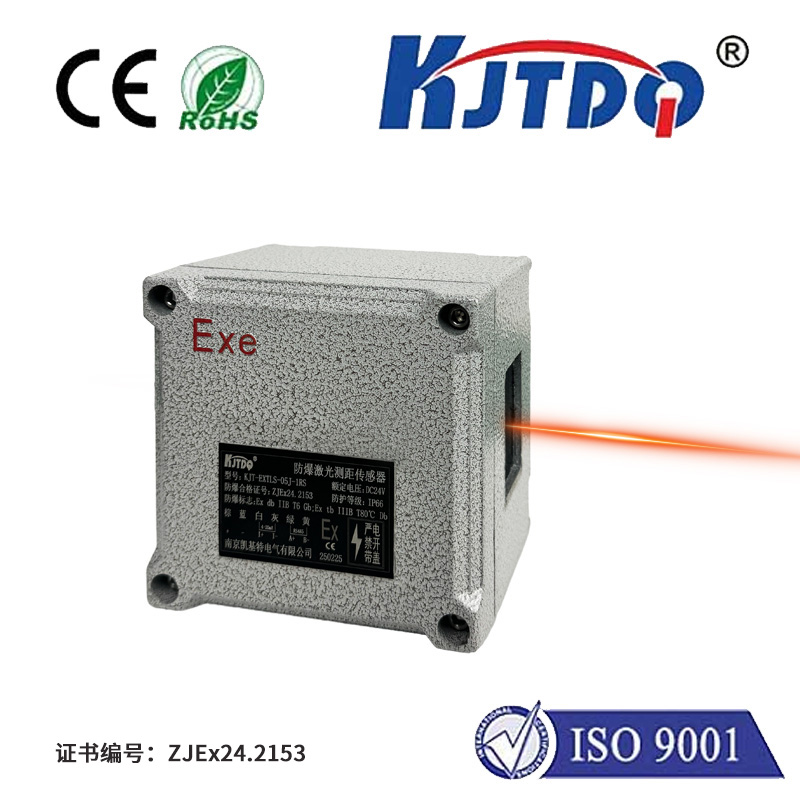
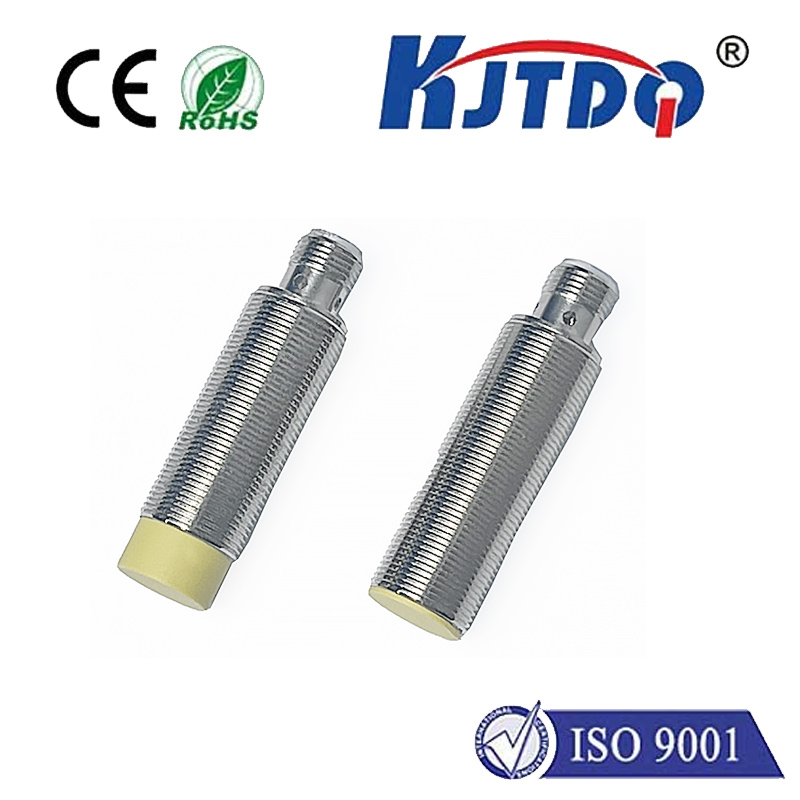
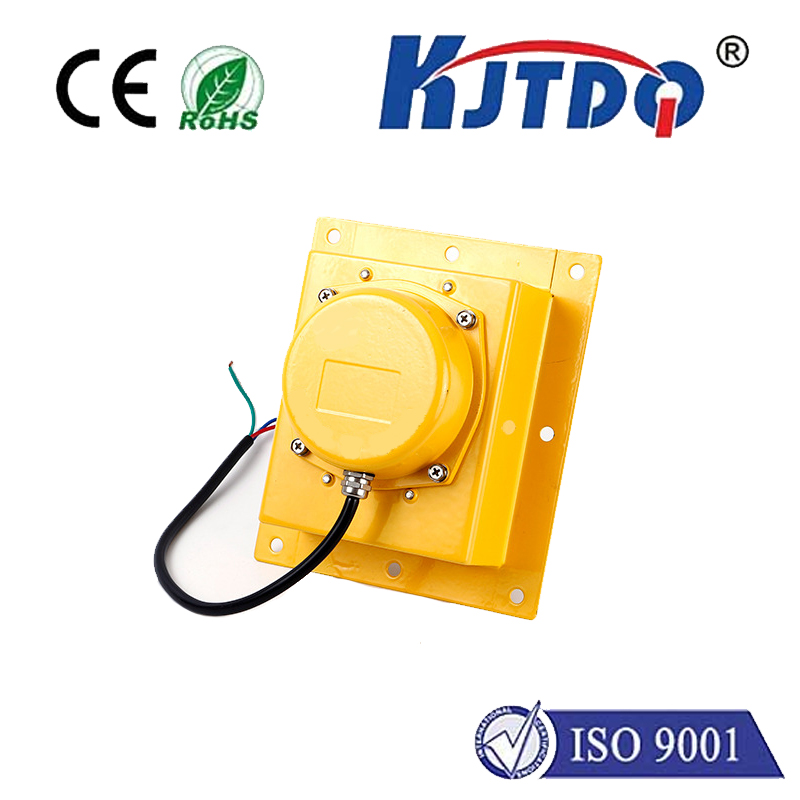
In the bustling environments of modern transportation hubs, shopping centers, and commercial buildings, escalators serve as critical conduits for pedestrian flow. Ensuring their safe and efficient operation is paramount, and at the heart of this reliability lies advanced sensing technology. The KJTDQ escalator photoelectricity sensor represents a significant leap forward in this domain, offering a sophisticated solution that goes beyond basic functionality to deliver unparalleled safety, energy savings, and operational intelligence.
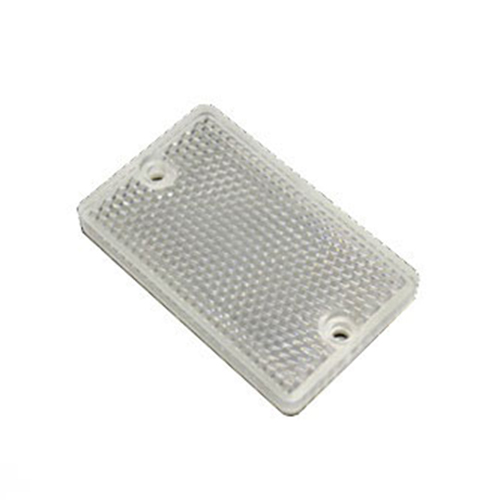
Traditional escalator systems often rely on mechanical or simpler sensor mechanisms that can be prone to wear, misalignment, or delayed response. The KJTDQ photoelectricity sensor, however, utilizes a precise beam of light to detect the presence or absence of passengers. When no movement is detected over a pre-set period, the sensor signals the escalator to transition into a low-energy standby mode, dramatically reducing power consumption. This is not merely an on/off switch; it's an intelligent system that contributes to substantial cost savings and supports sustainability goals for facility managers.
The core advantage of this technology is its direct impact on passenger safety. The photoelectric sensor acts as a vigilant guardian. By accurately monitoring the entry and exit points, it helps prevent incidents that could occur if the escalator were to start or stop unexpectedly with passengers on board. Its high sensitivity and fast response time ensure that the escalator operates only when needed, minimizing the risk of trips, falls, or clothing entrapment that might happen near a dormant but suddenly activating step. For families with children, the elderly, or individuals with mobility challenges, this layer of proactive protection is invaluable.
Beyond safety and energy efficiency, the KJTDQ sensor enhances the user experience through smoother operation. The transition between standby and active modes is engineered to be seamless and quiet, avoiding the jarring starts and stops that can unsettle passengers. This reliability translates to reduced perceived wait times and a more pleasant environment. For facility operators, the benefits extend into maintenance and longevity. By reducing the continuous runtime of the escalator's mechanical components, the sensor decreases overall wear and tear. This leads to fewer breakdowns, lower maintenance costs, and an extended operational lifespan for the entire escalator system, providing a strong return on investment.
Installation and integration of the KJTDQ photoelectricity sensor are designed with practicality in mind. It is typically compatible with a wide range of escalator models from various manufacturers, making it a versatile upgrade for both new installations and retrofits in existing buildings. Its robust construction is built to withstand the demanding conditions of high-traffic areas, including dust, vibration, and fluctuating temperatures, ensuring consistent performance year after year.
In conclusion, the integration of intelligent photoelectric sensing, as exemplified by the KJTDQ escalator photoelectricity sensor, is no longer a luxury but a necessity for modern infrastructure. It represents a smart convergence of safety engineering, energy management, and operational excellence. By choosing such advanced technology, building owners and managers do not just install a component; they invest in peace of mind, operational cost control, and a demonstrable commitment to the well-being of every person who steps onto their escalators. In an era where efficiency and safety are inseparable, this sensor stands as a critical component for the smart buildings of today and tomorrow.